Creepy Lodging in Tonopah: Haunted, Odd, Unforgettable
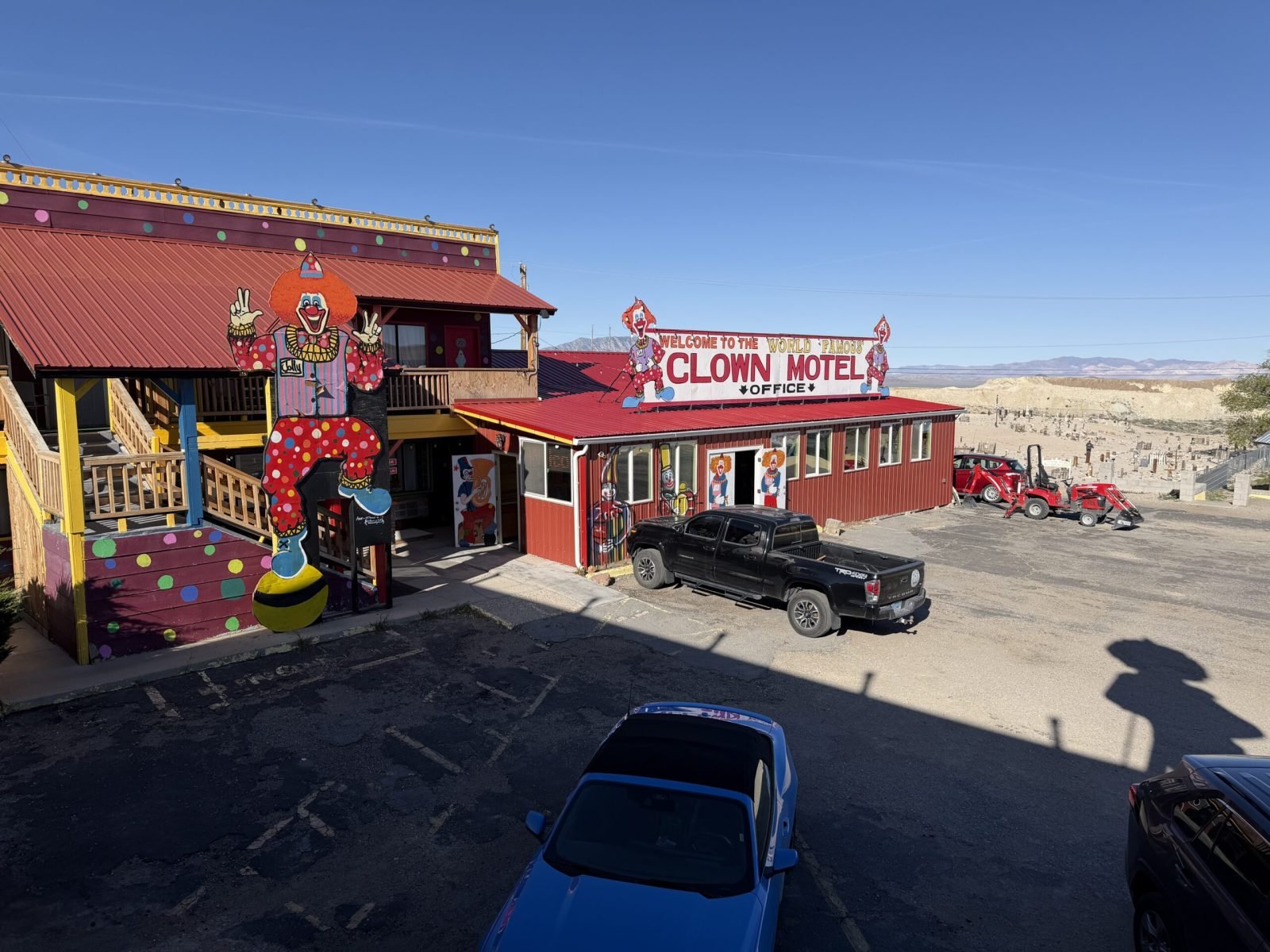
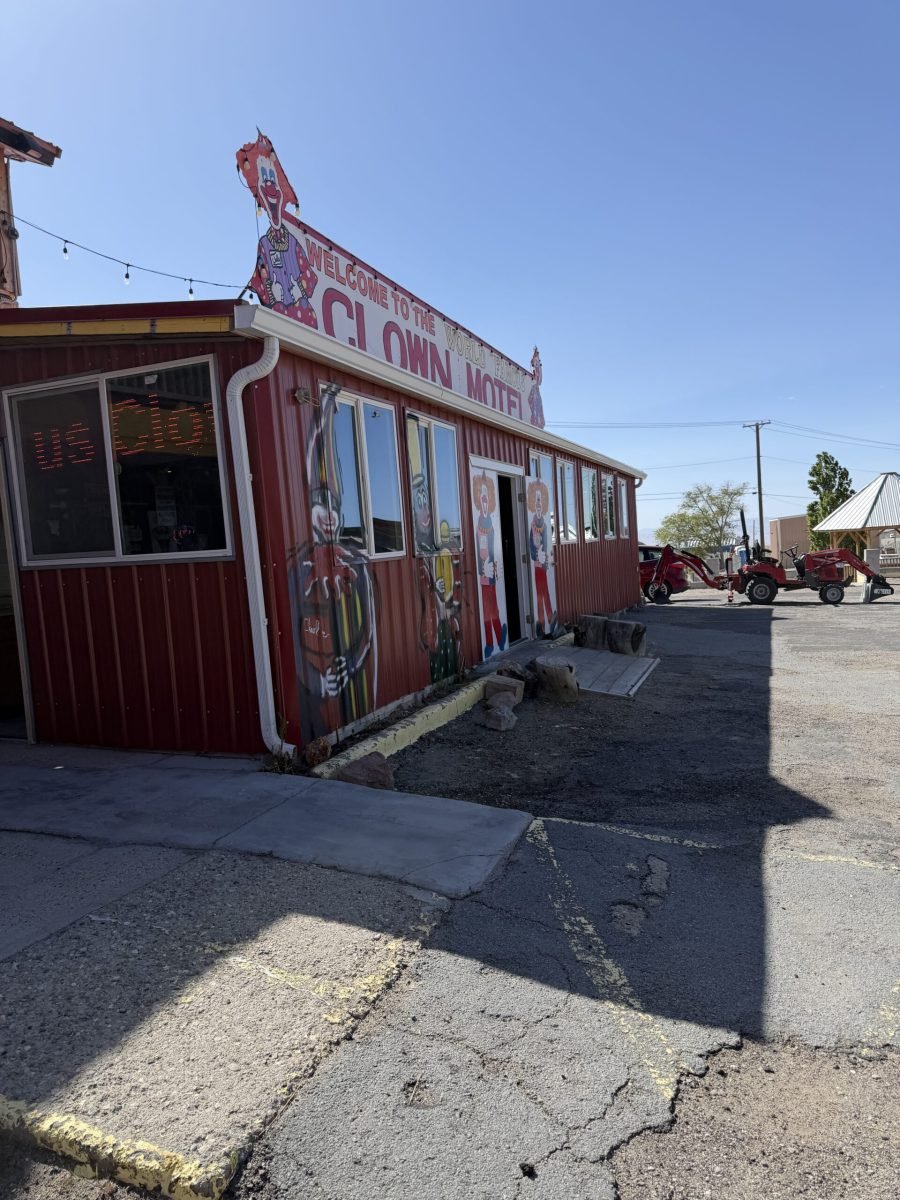
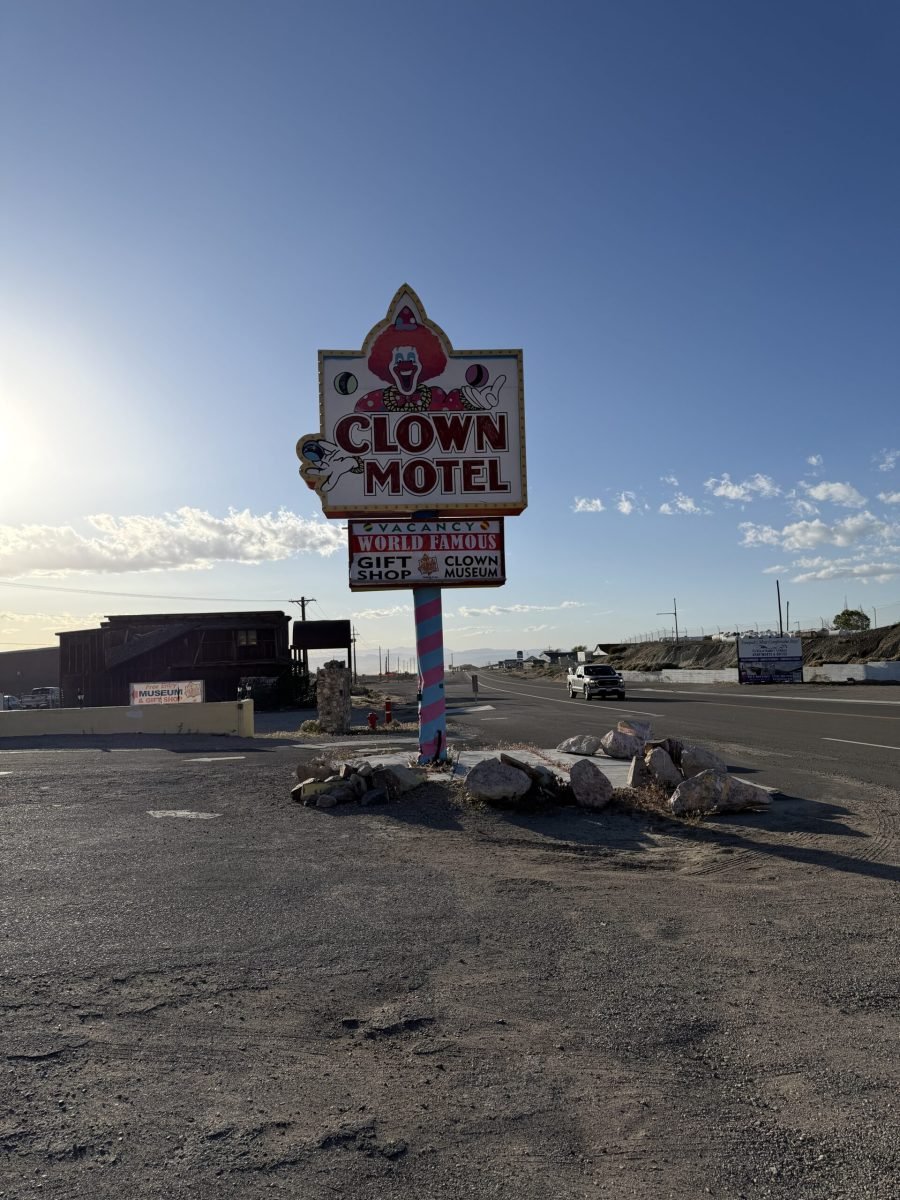
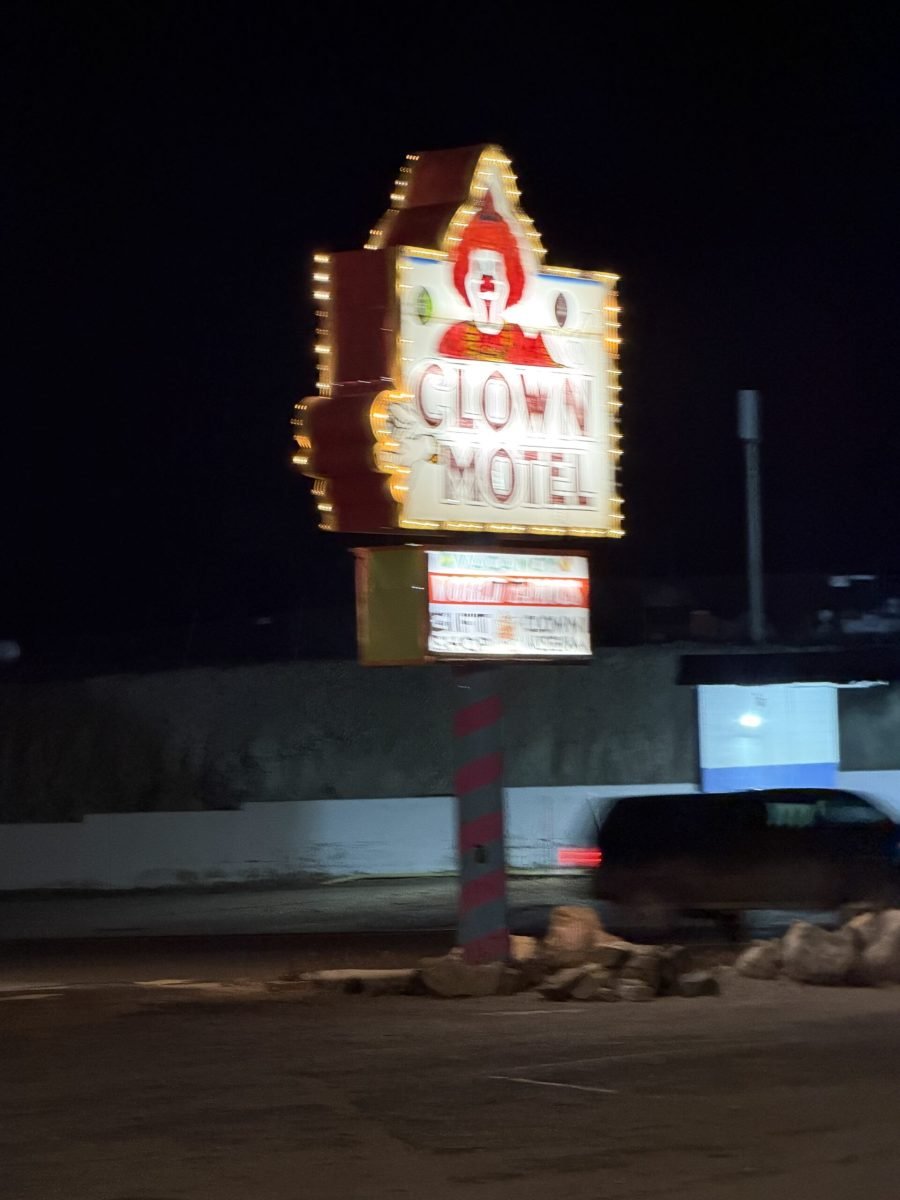
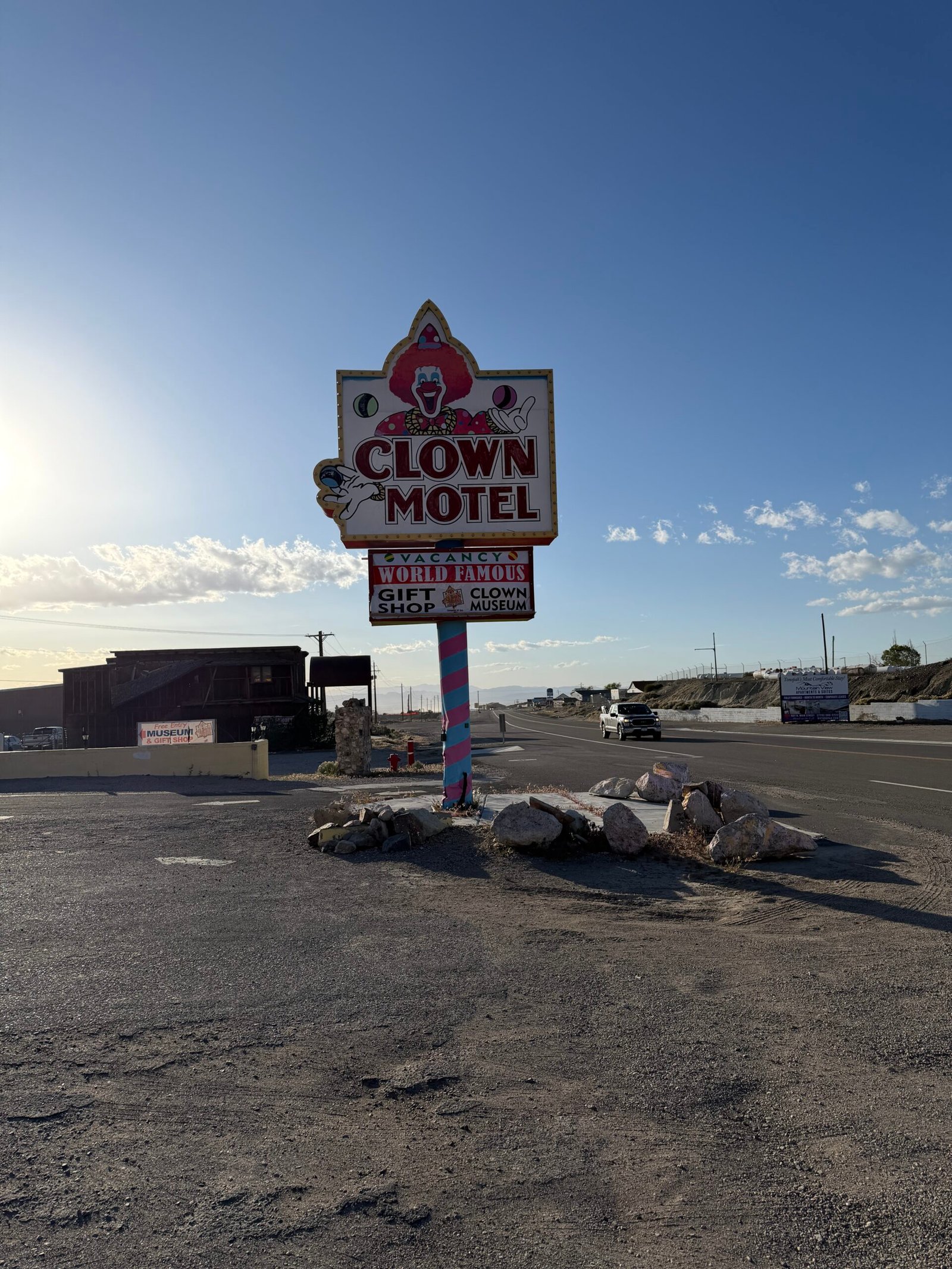
A lot of roadside motels blur together. The Clown Motel does the opposite. In Tonopah’s high desert quiet, it pulls you in as part fun stop, part paranormal legend, and part sleep-with-the-lights-on dare. Not far from the Extraterrestrial Highway, located next to the Old Tonopah Cemetery, in Tonopah, Nevada.
That mix is why people remember it. You can book a basic economy clown room, browse a clown-packed museum space, shop in the gift area, walk the grounds, and end the night next to one of Nevada’s eeriest old cemeteries. For fans of haunted motels, ghost hunting, and weird Americana, few places leave a stranger aftertaste.
What makes The Clown Motel so famous, and so unsettling
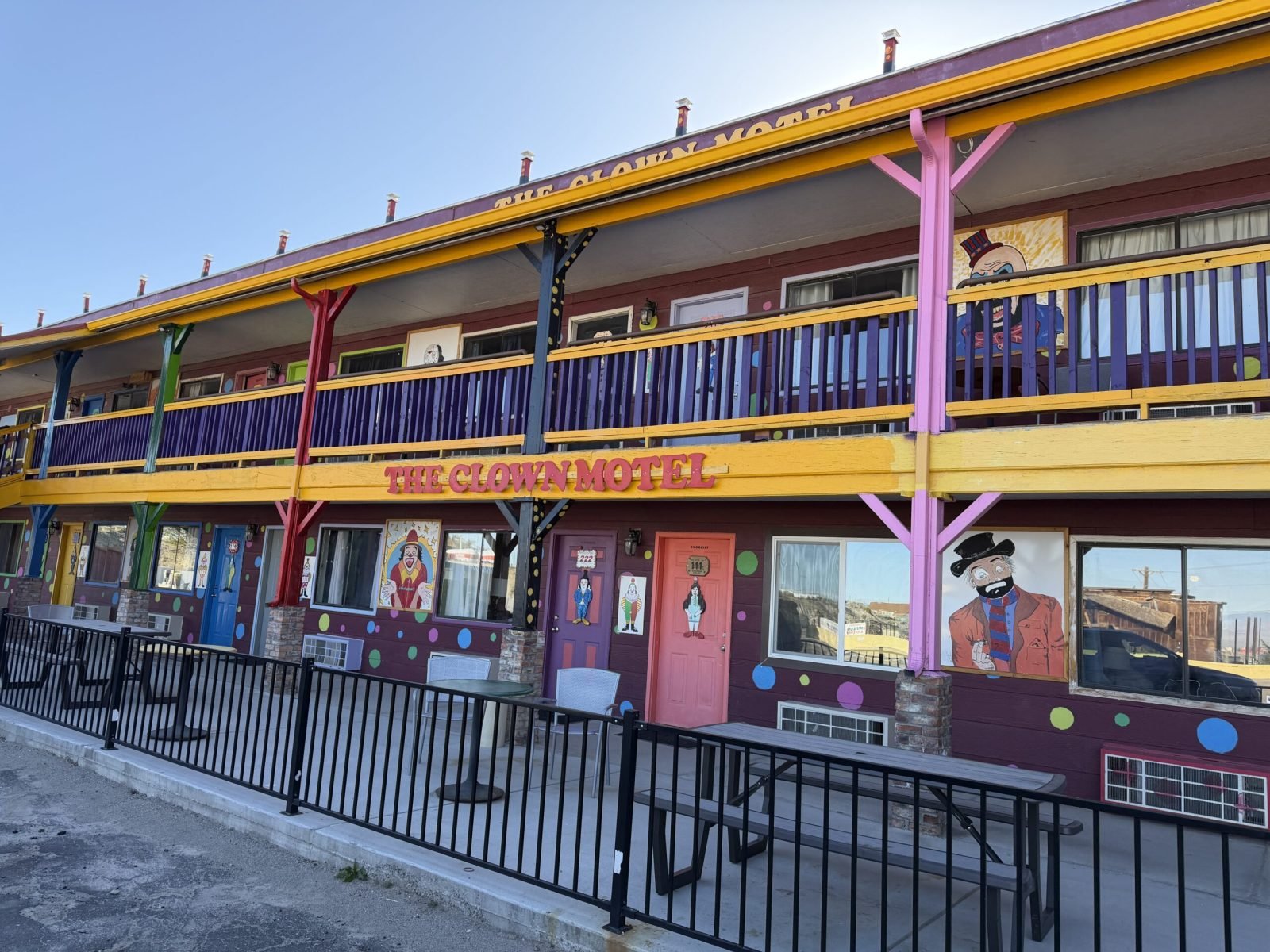
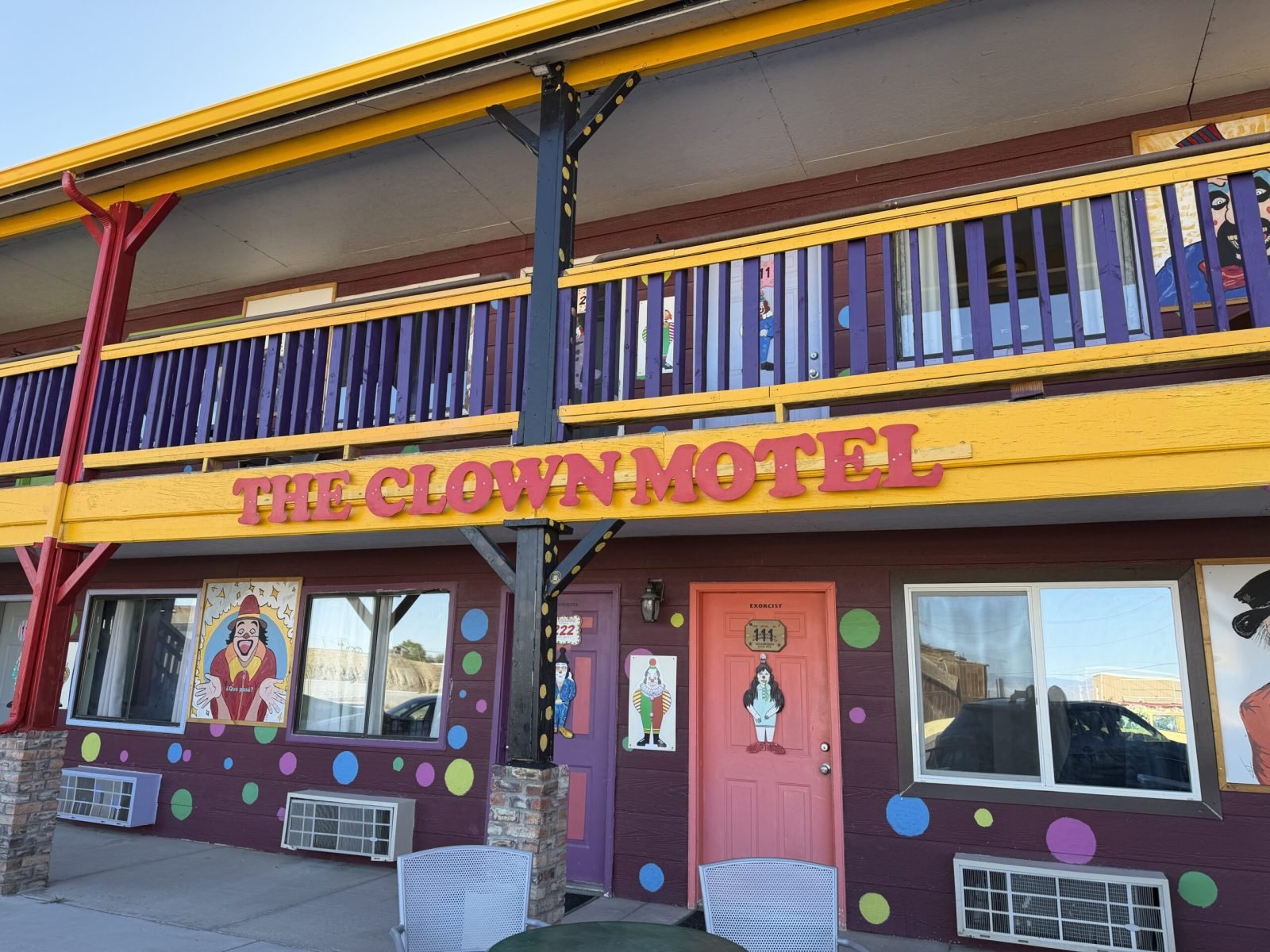
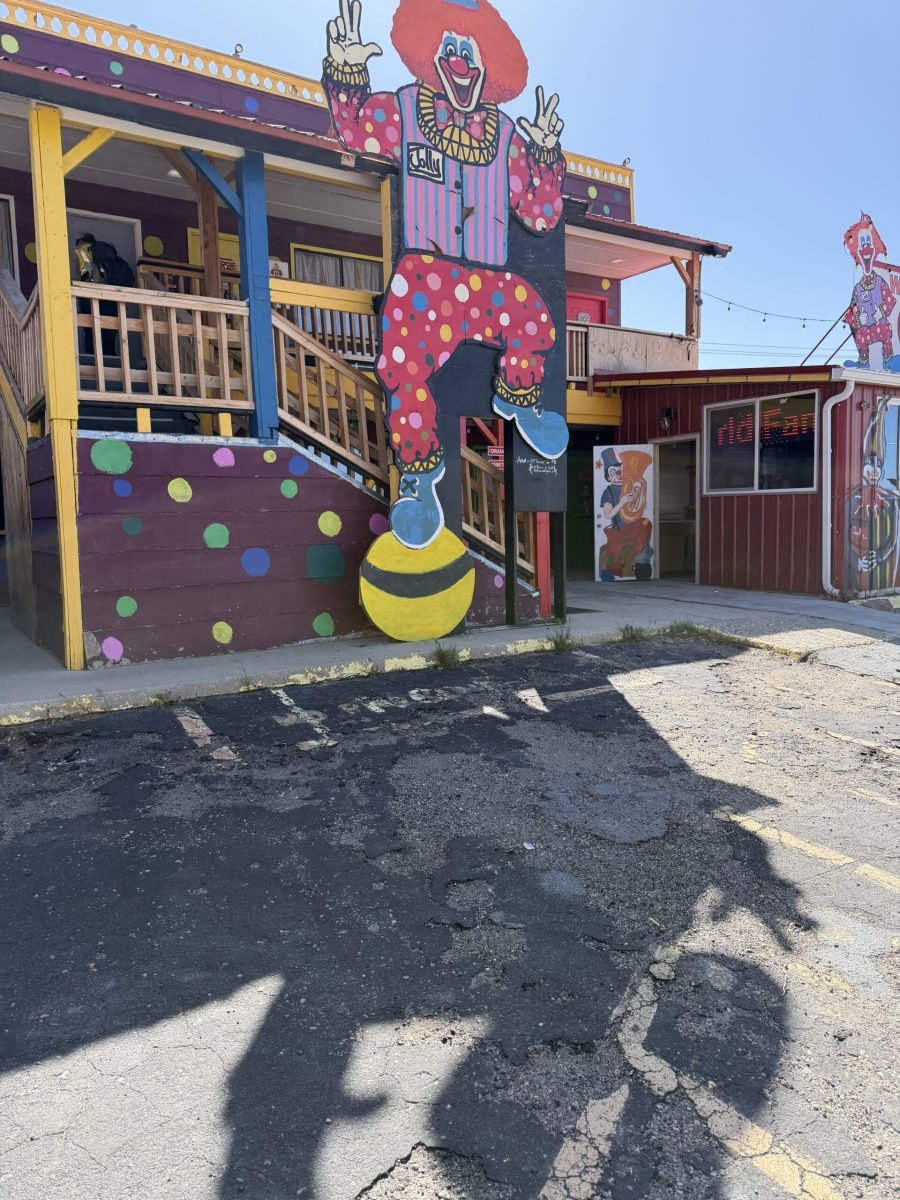
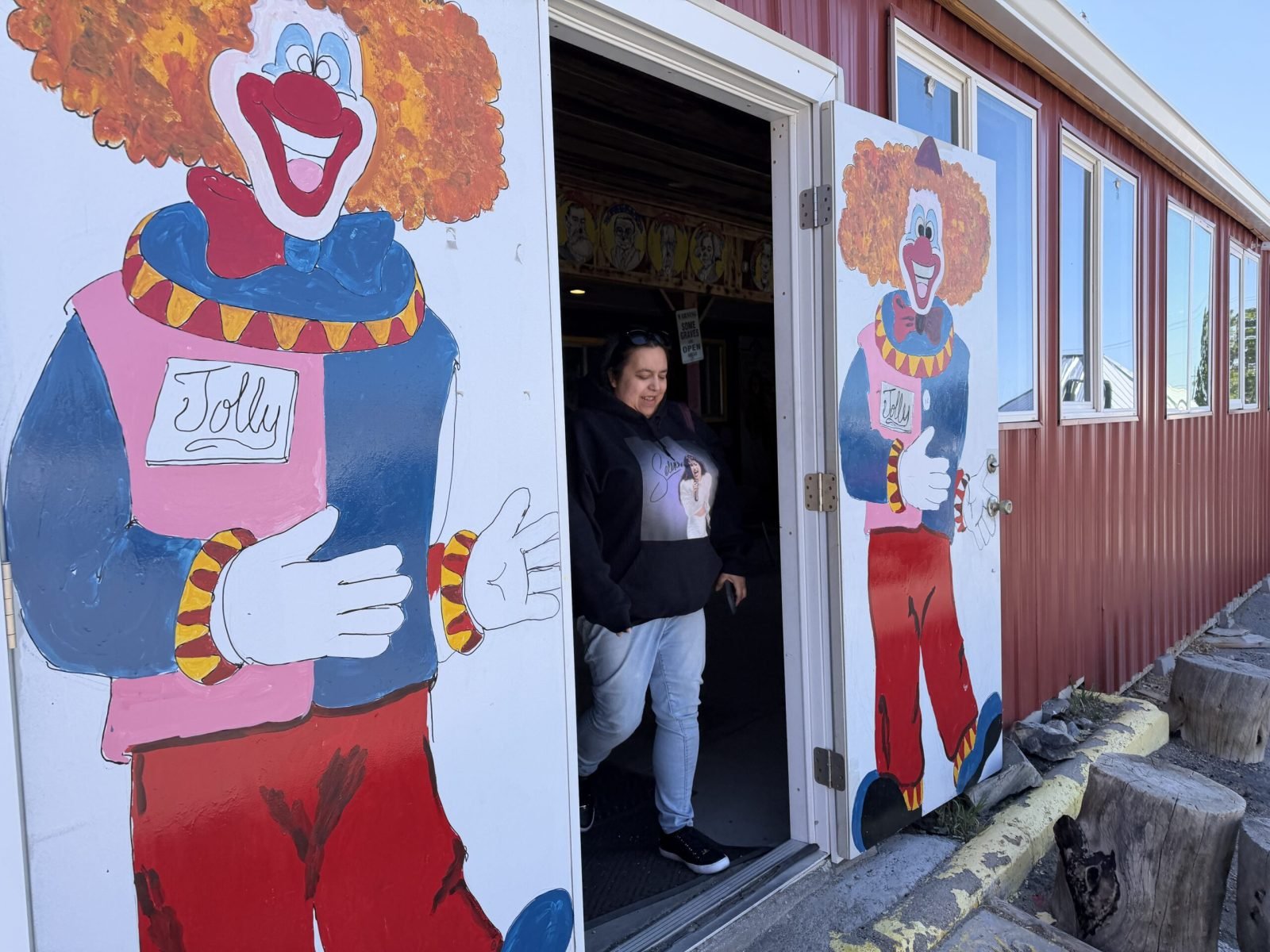
The Clown Motel opened in 1985, and its fame grew from something both simple and bizarre, a family clown collection that turned into a full roadside identity. Over time, that idea expanded far beyond a novelty stop. Today, the motel is known for dozens of rooms, a clown-filled lobby, and a reputation that keeps it on short lists of Nevada’s most talked-about paranormal stays.
The draw is easy to explain, even if the feeling is harder to shake. Clowns already sit in an odd place in American culture. They can read as playful, sad, theatrical, or threatening, sometimes all at once. Put thousands of them in one motel, then place that motel beside an old cemetery in a near-empty desert town, and the result feels less like branding and more like folklore you can book by the night.
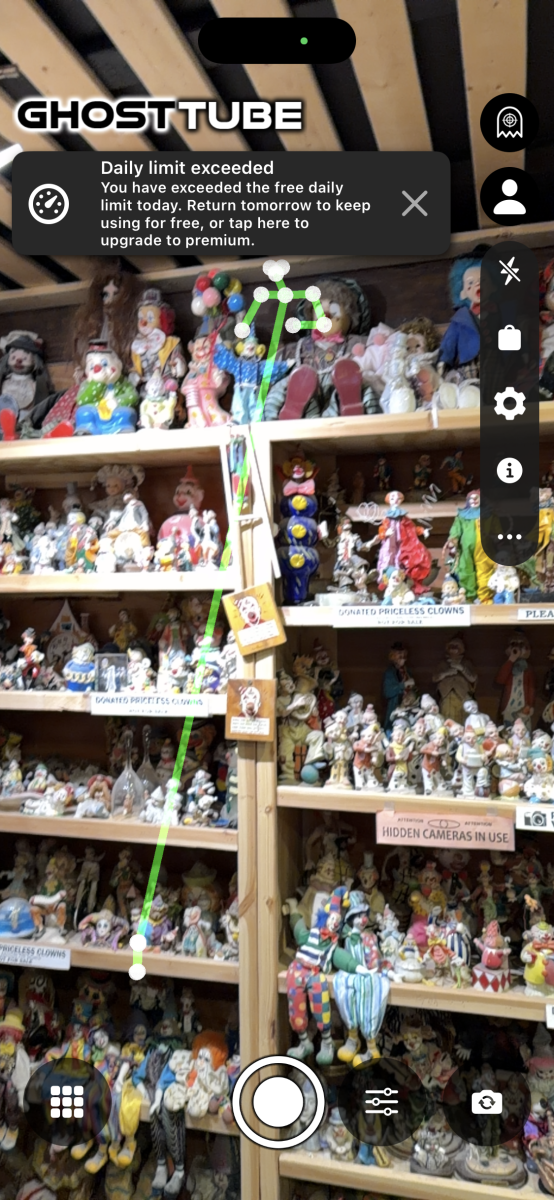
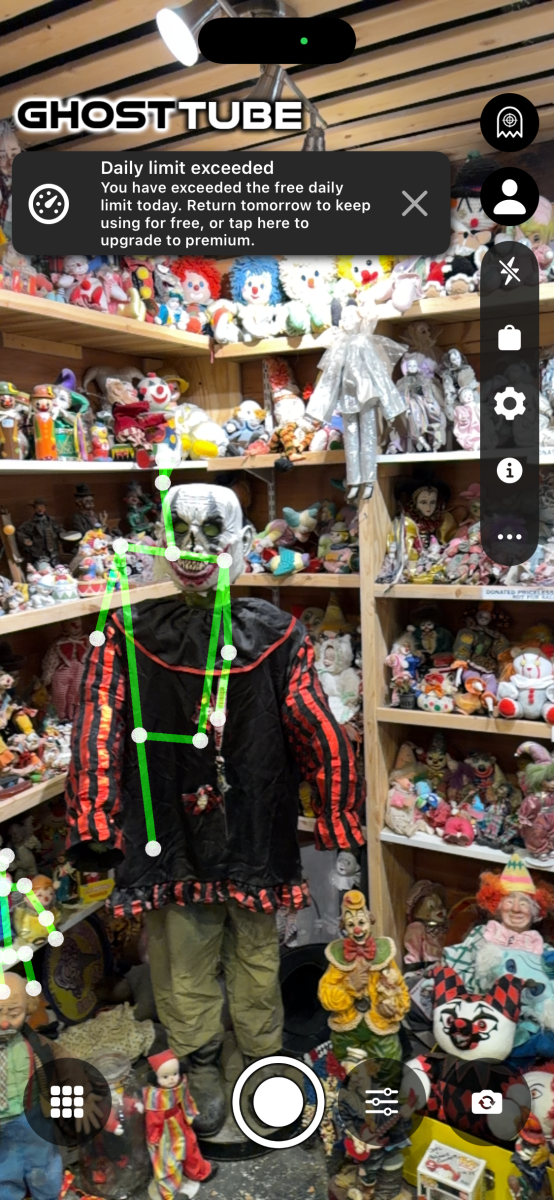
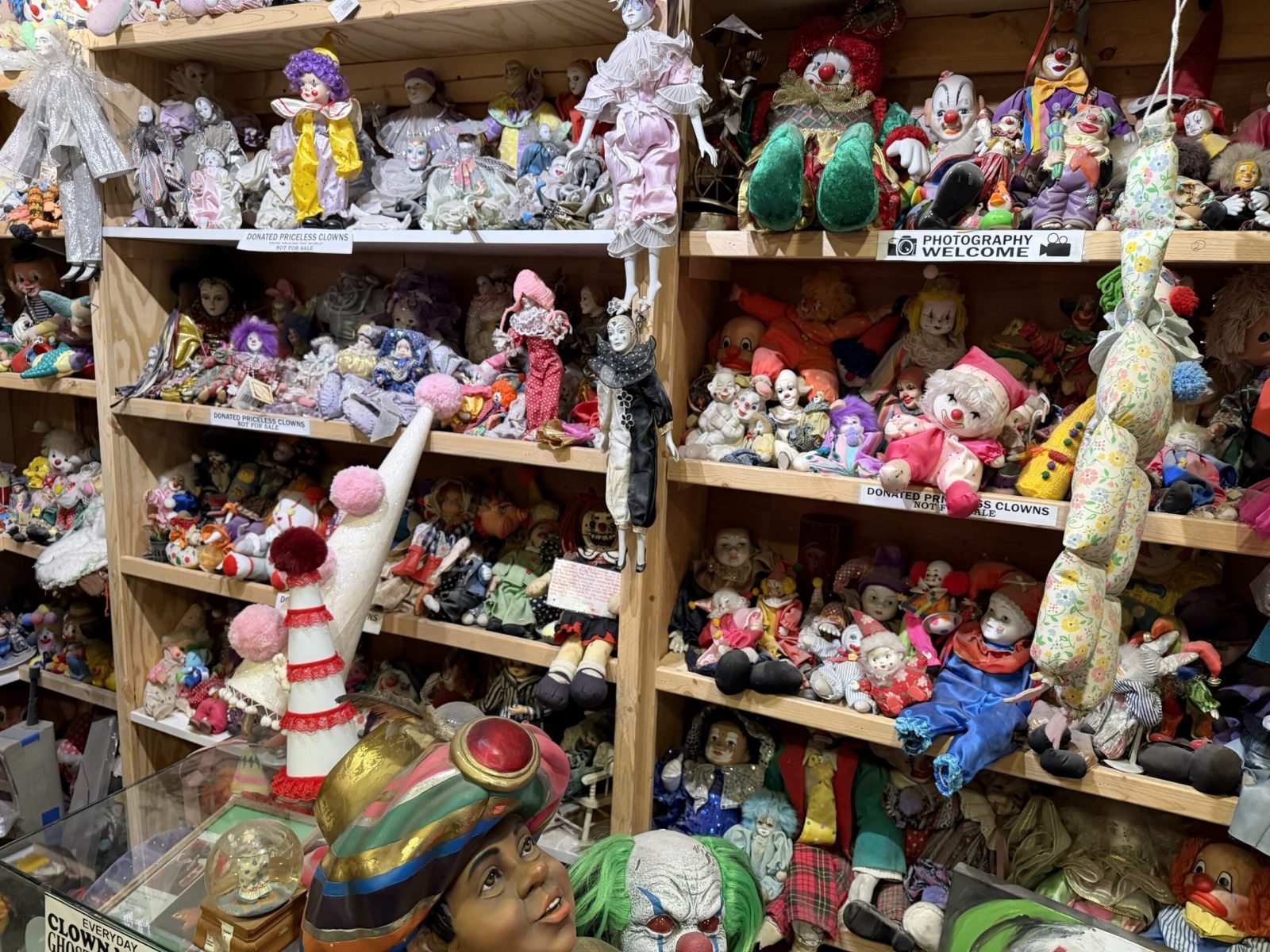
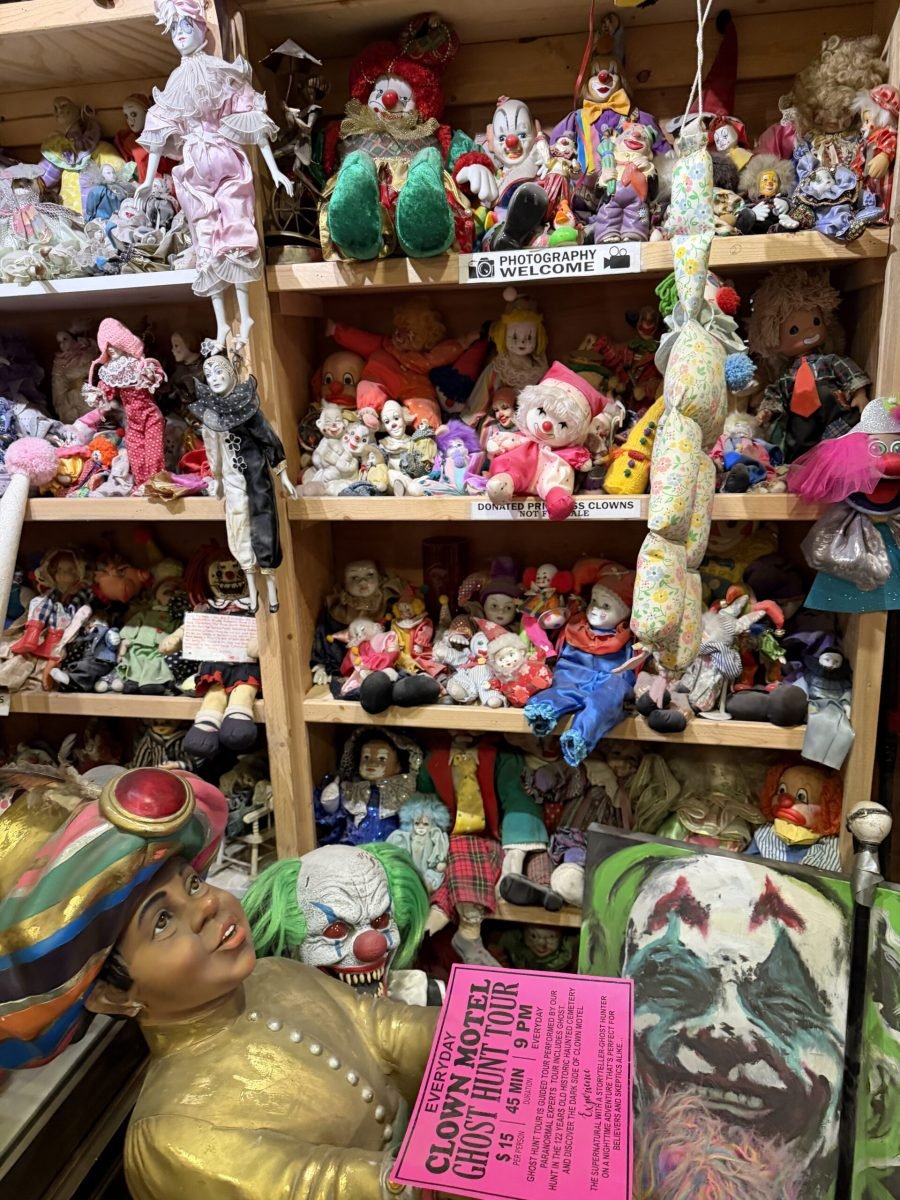
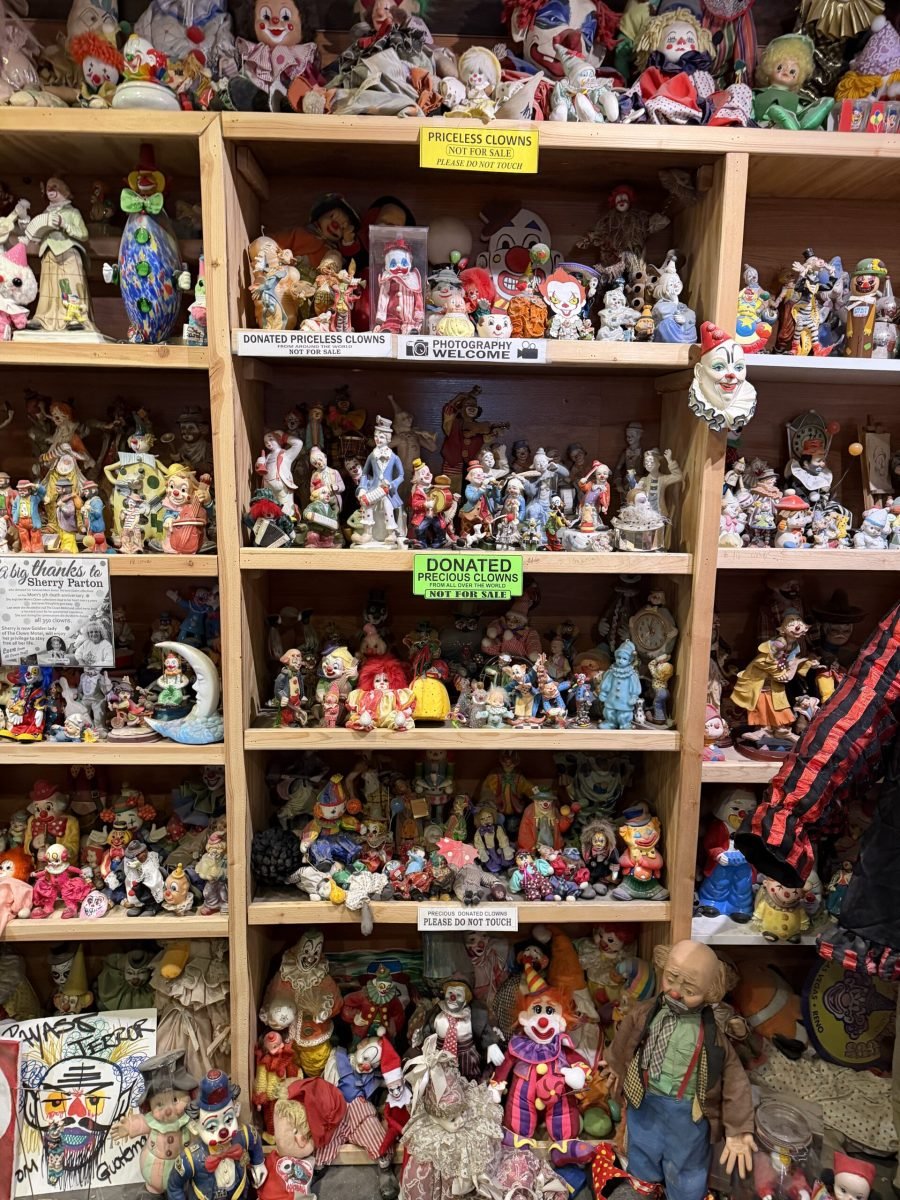
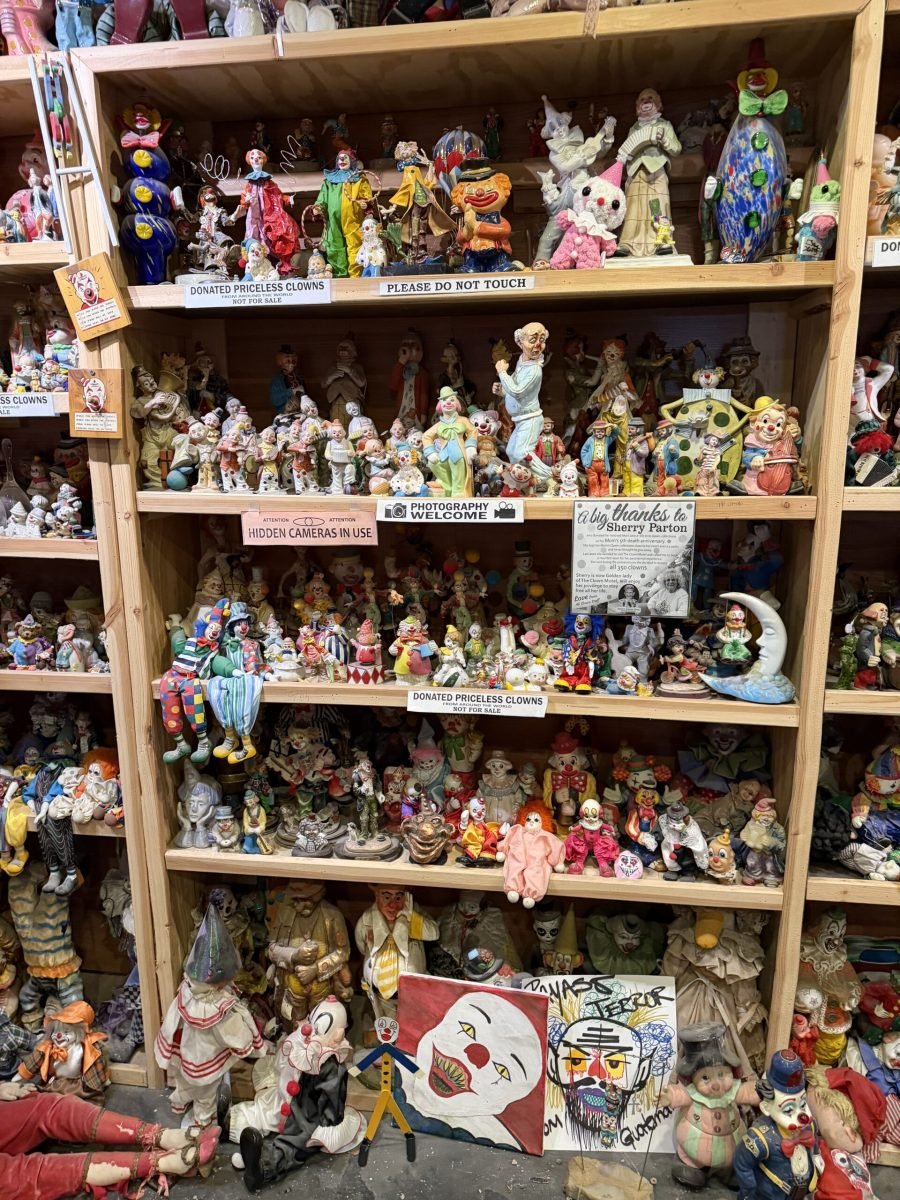
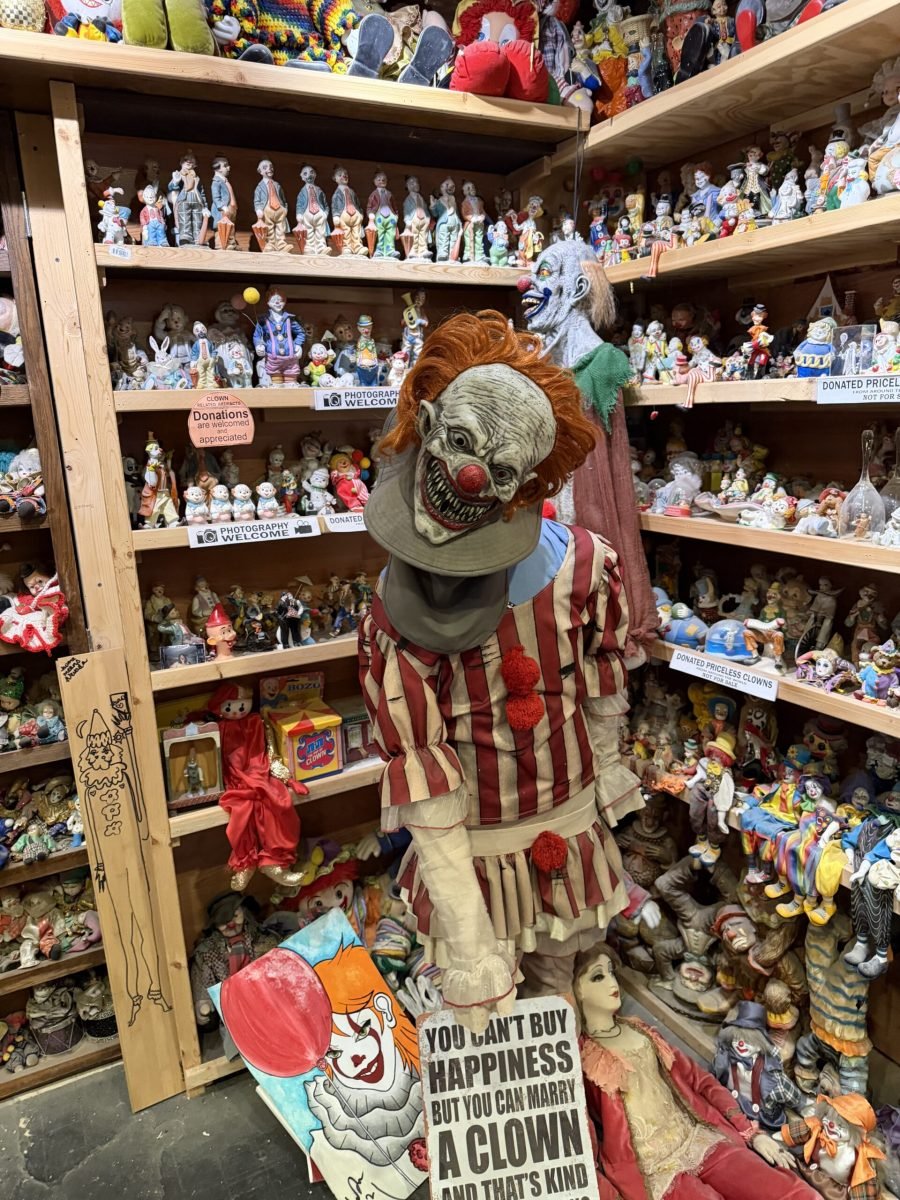
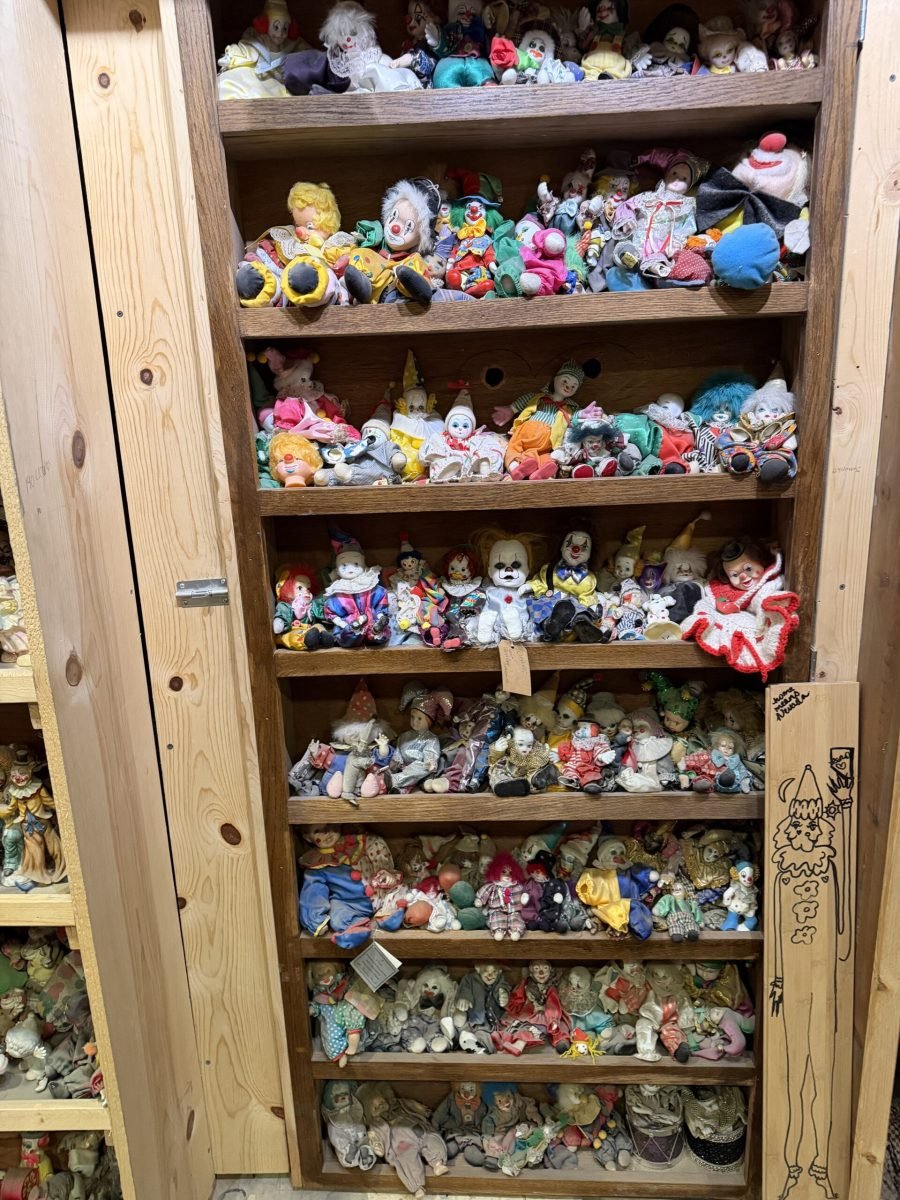
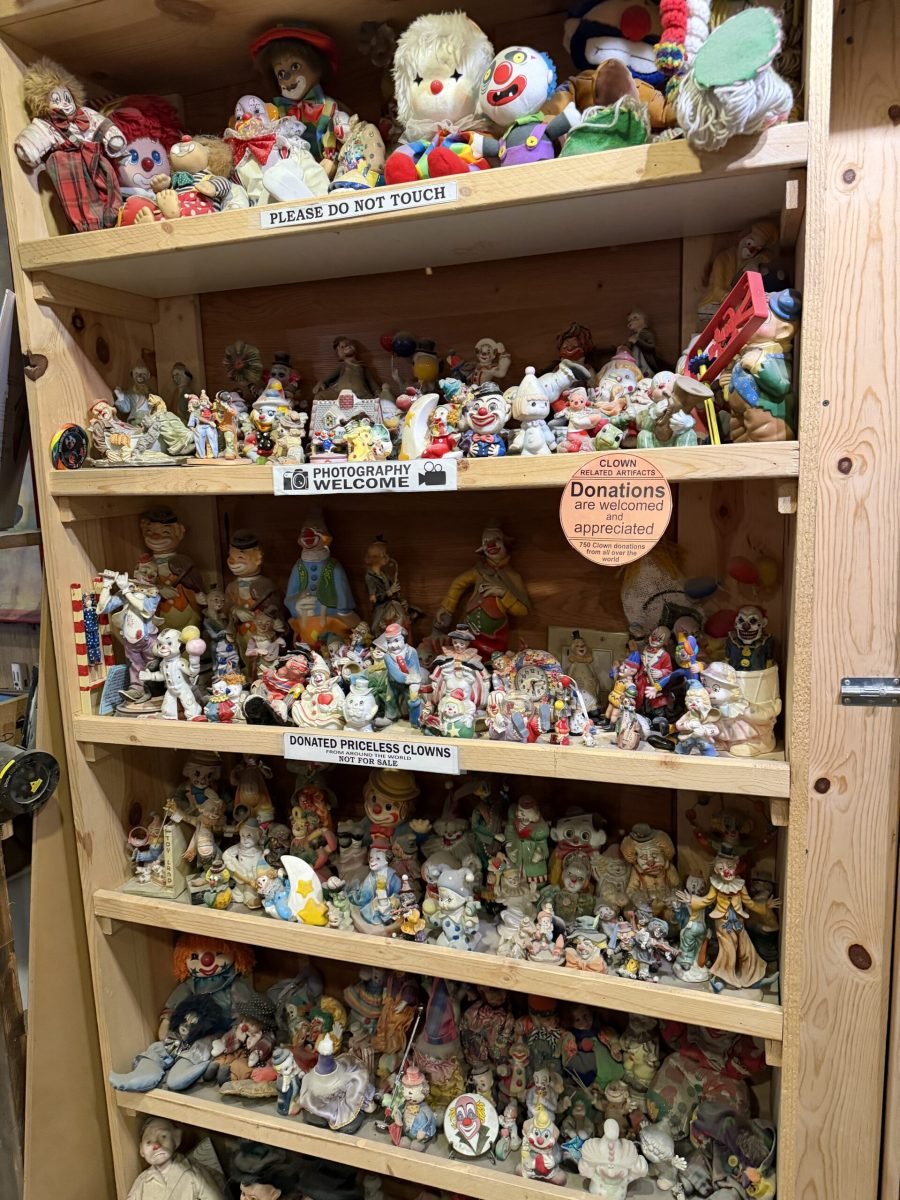
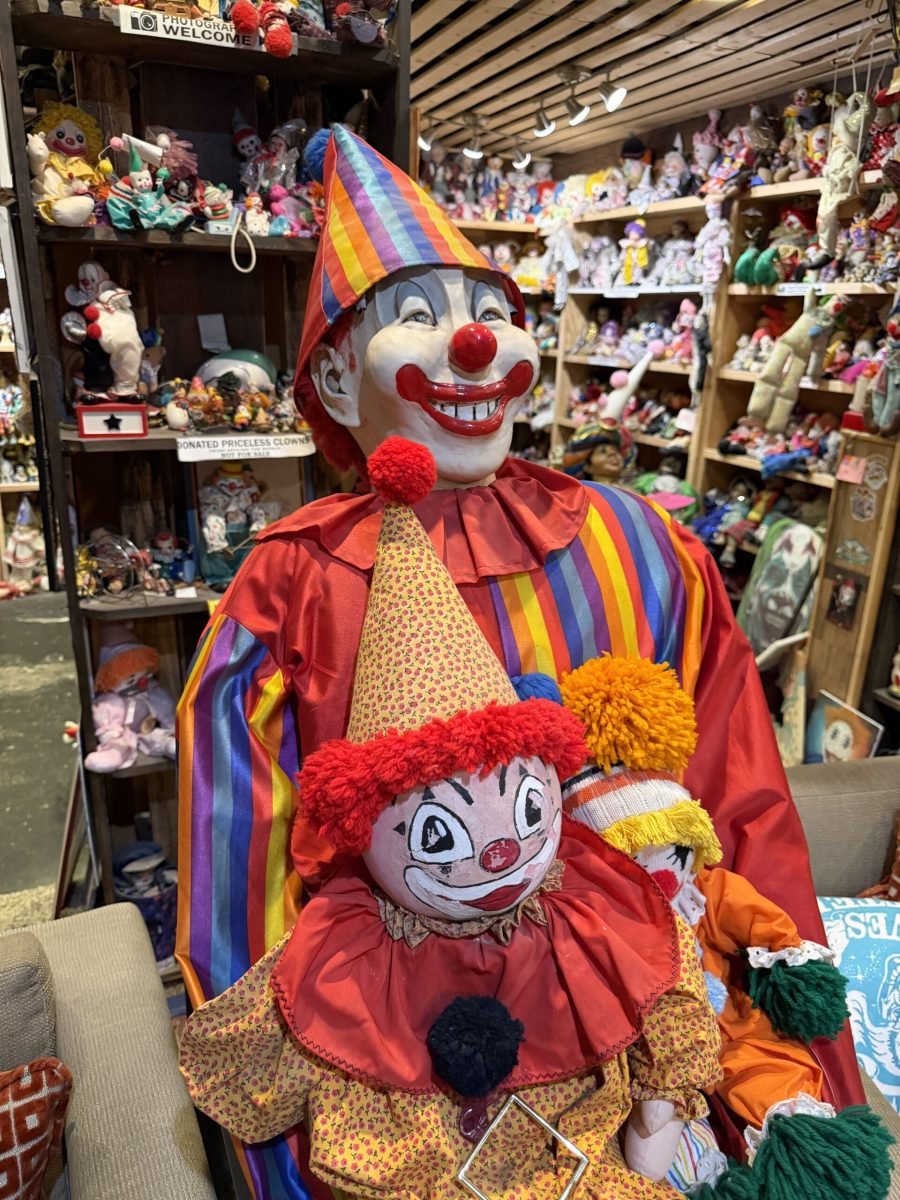
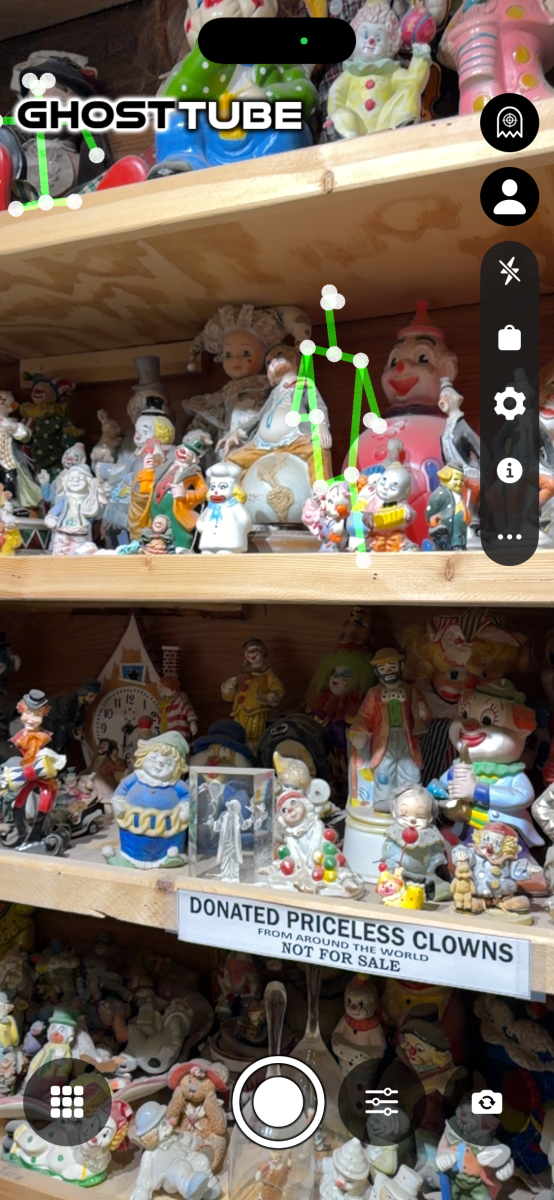
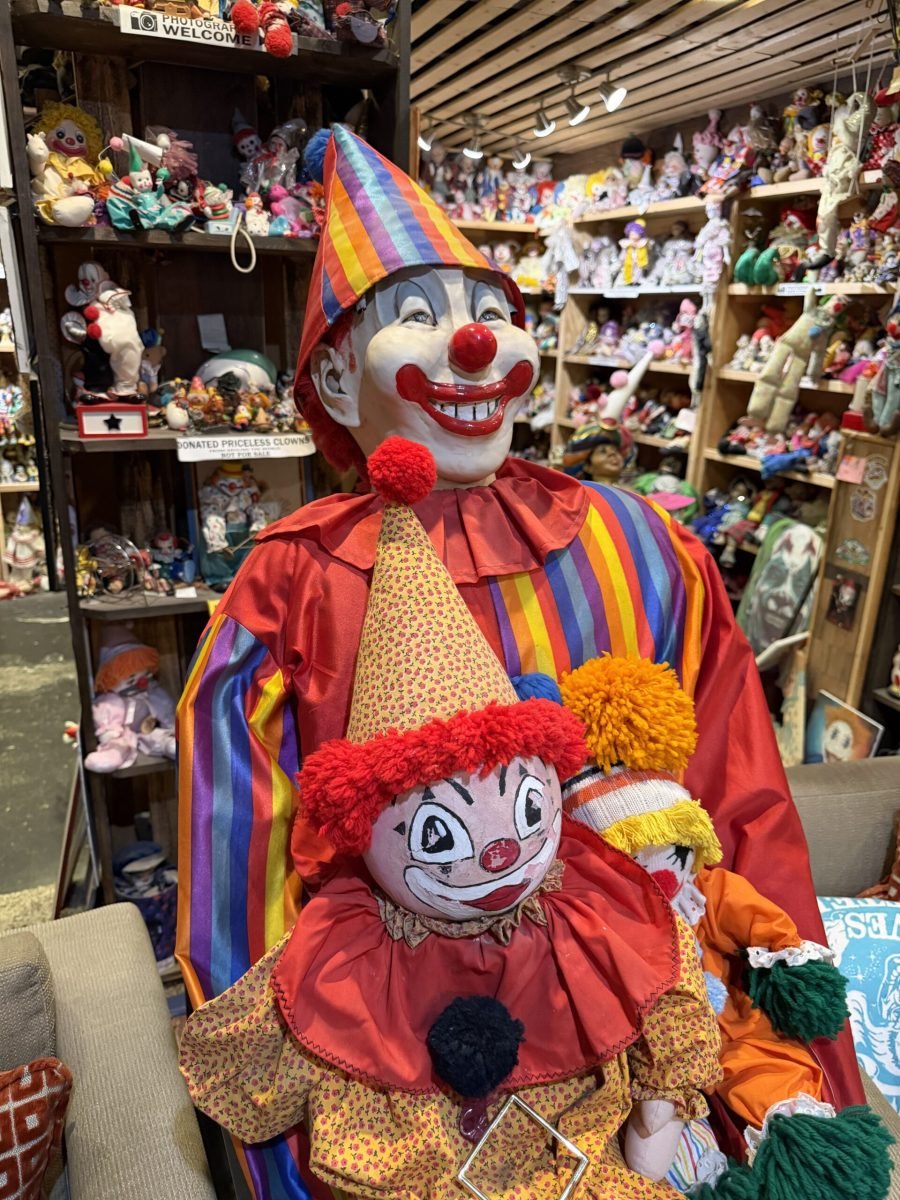
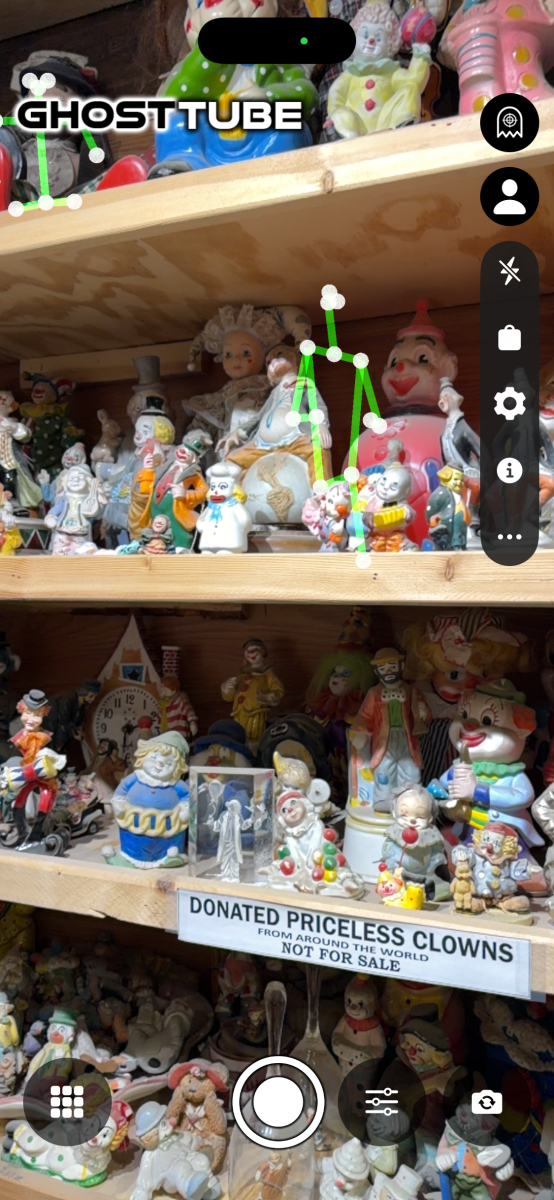
Recent public descriptions place the collection at more than 6,500 clown figures and objects, which gives the property a scale that few first-time visitors expect. The official Clown Motel site leans into that identity, and so do travelers who arrive for both kitsch and fear.
The story behind the clown collection and the motel’s unusual beginning
At the heart of the story is Clarence David, the clown collector most often tied to the motel’s origins. His collection, which reportedly began at around 150 pieces, gave the place its first personality. What might have stayed a private family tribute instead became the seed of a destination.
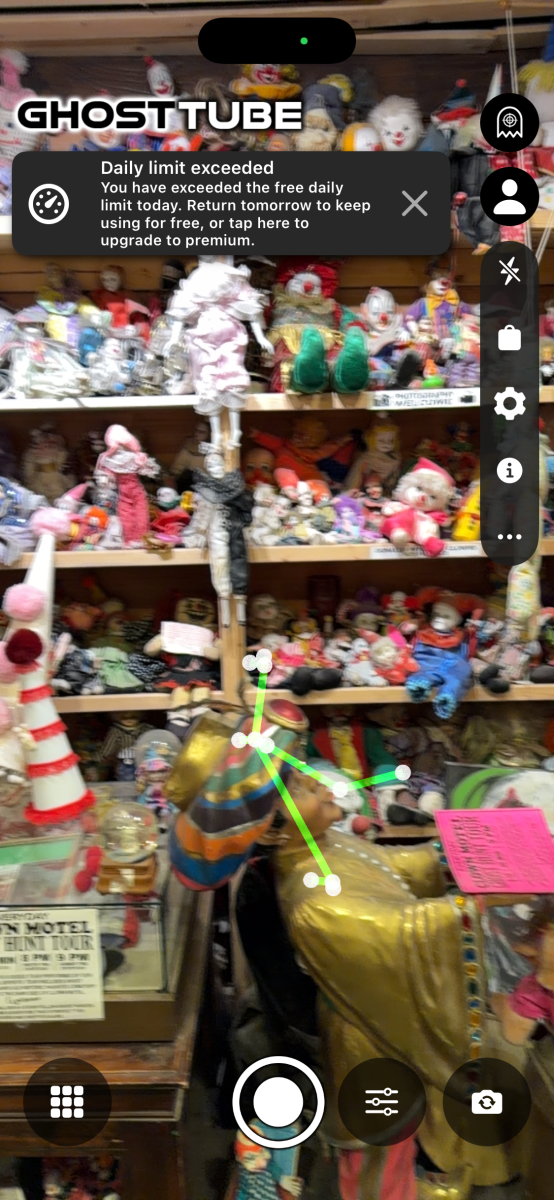
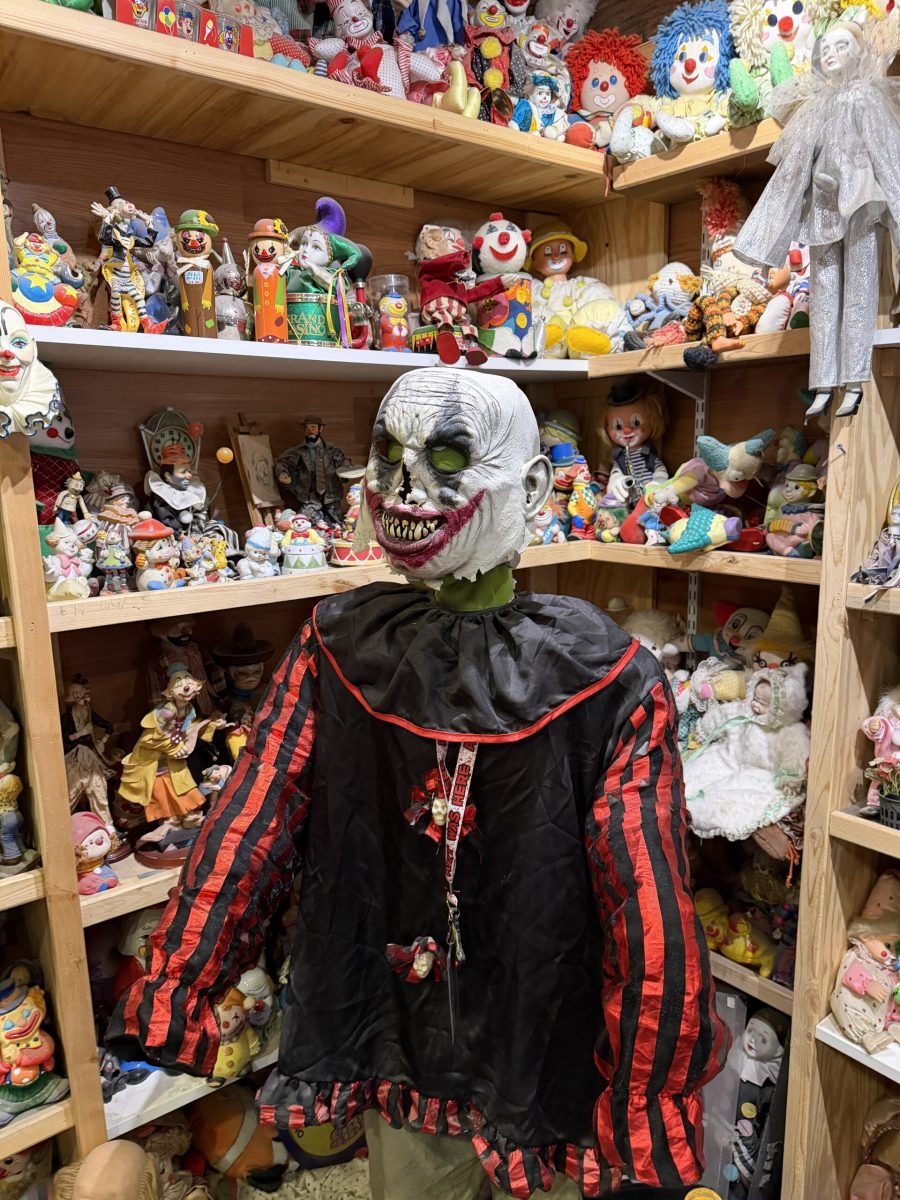
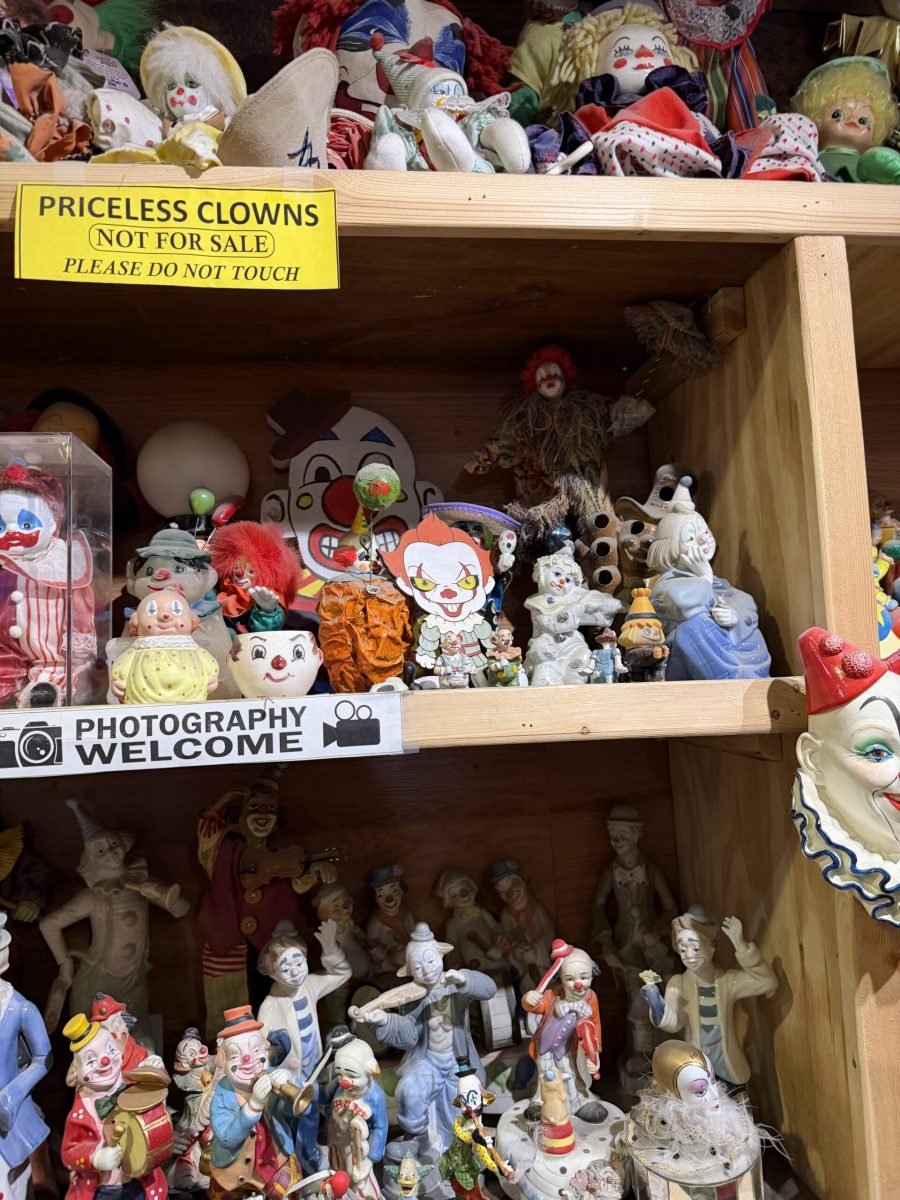
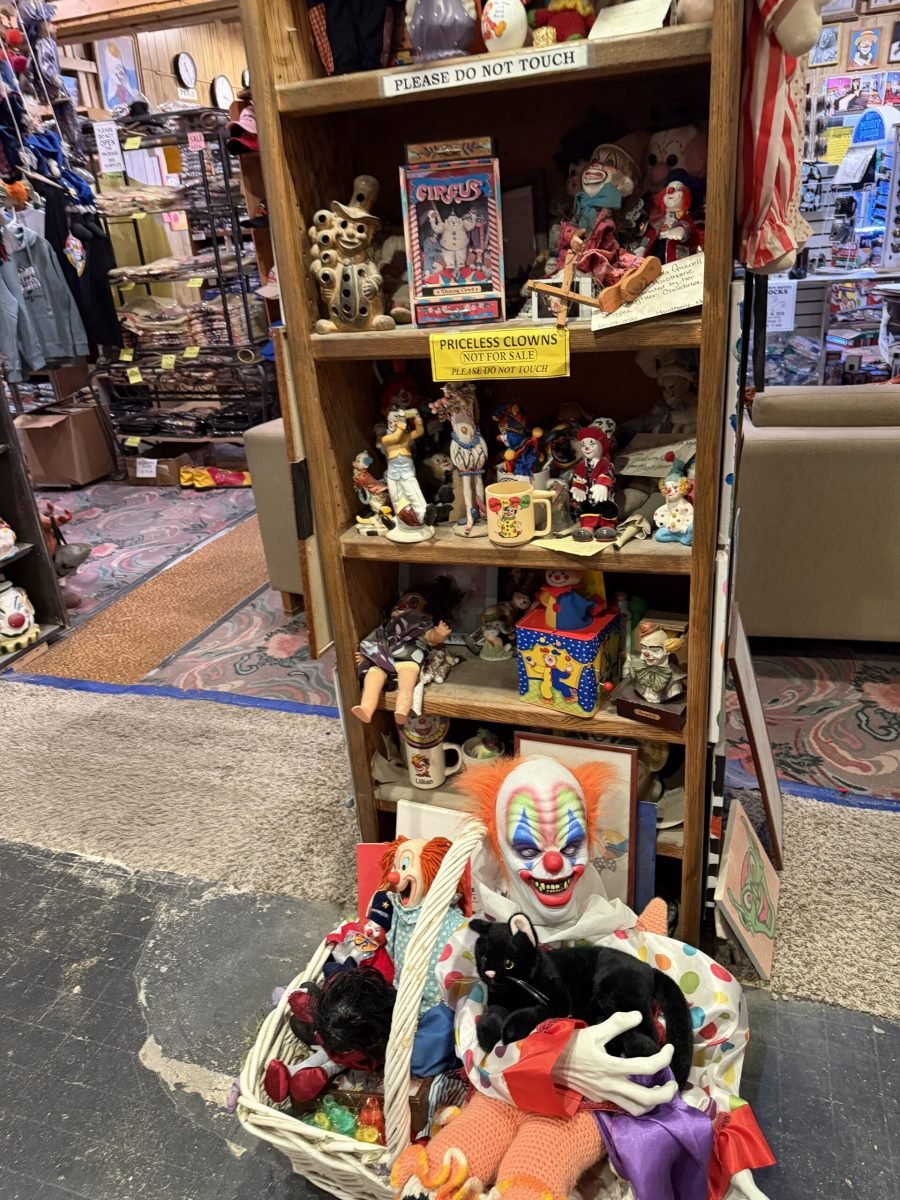
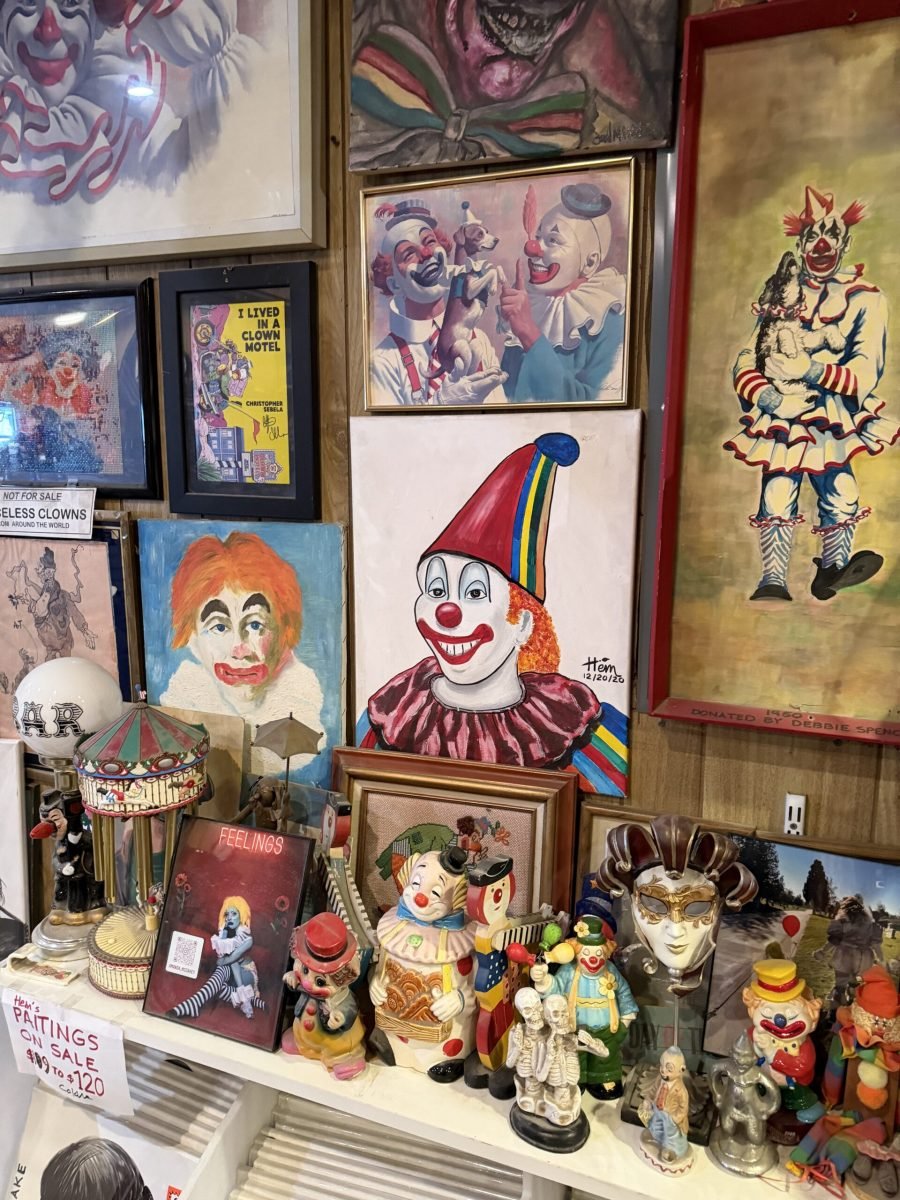
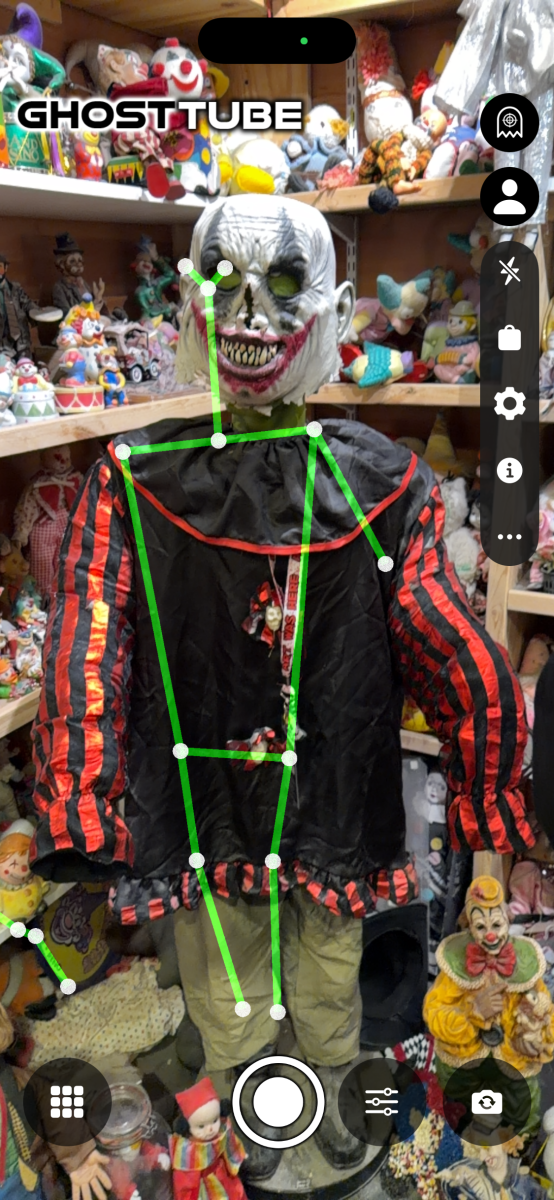
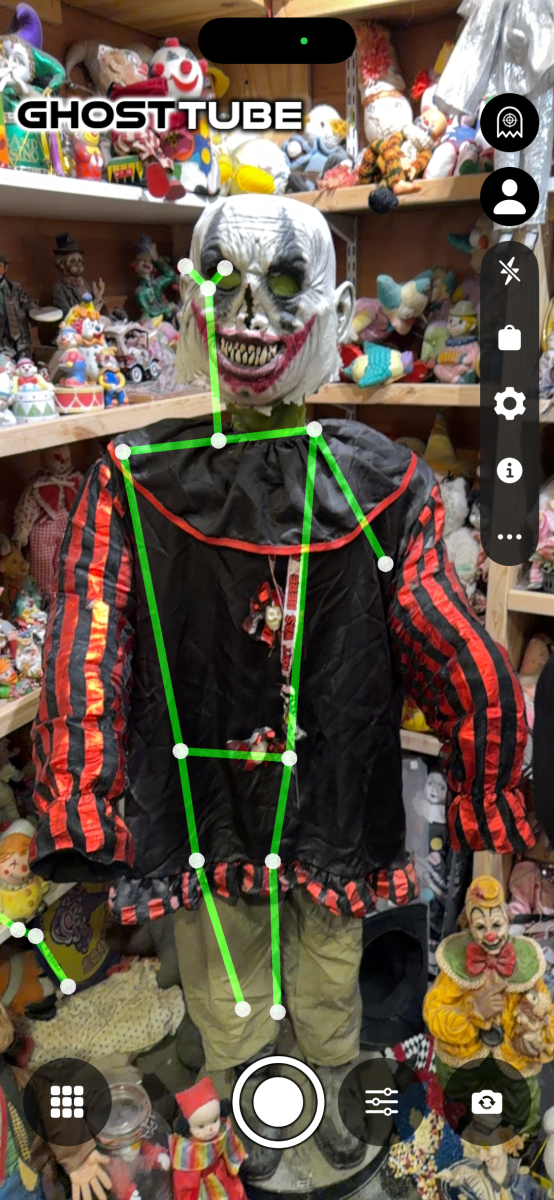
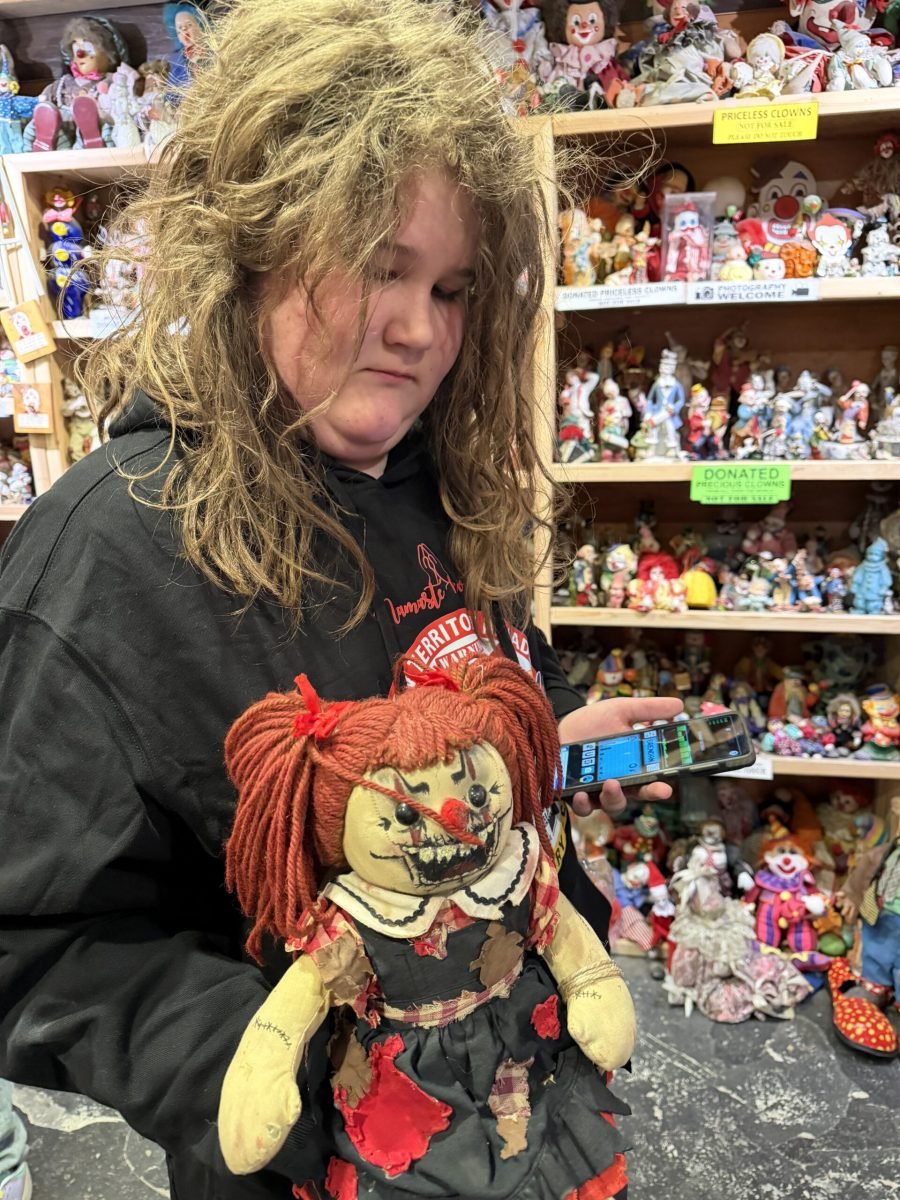
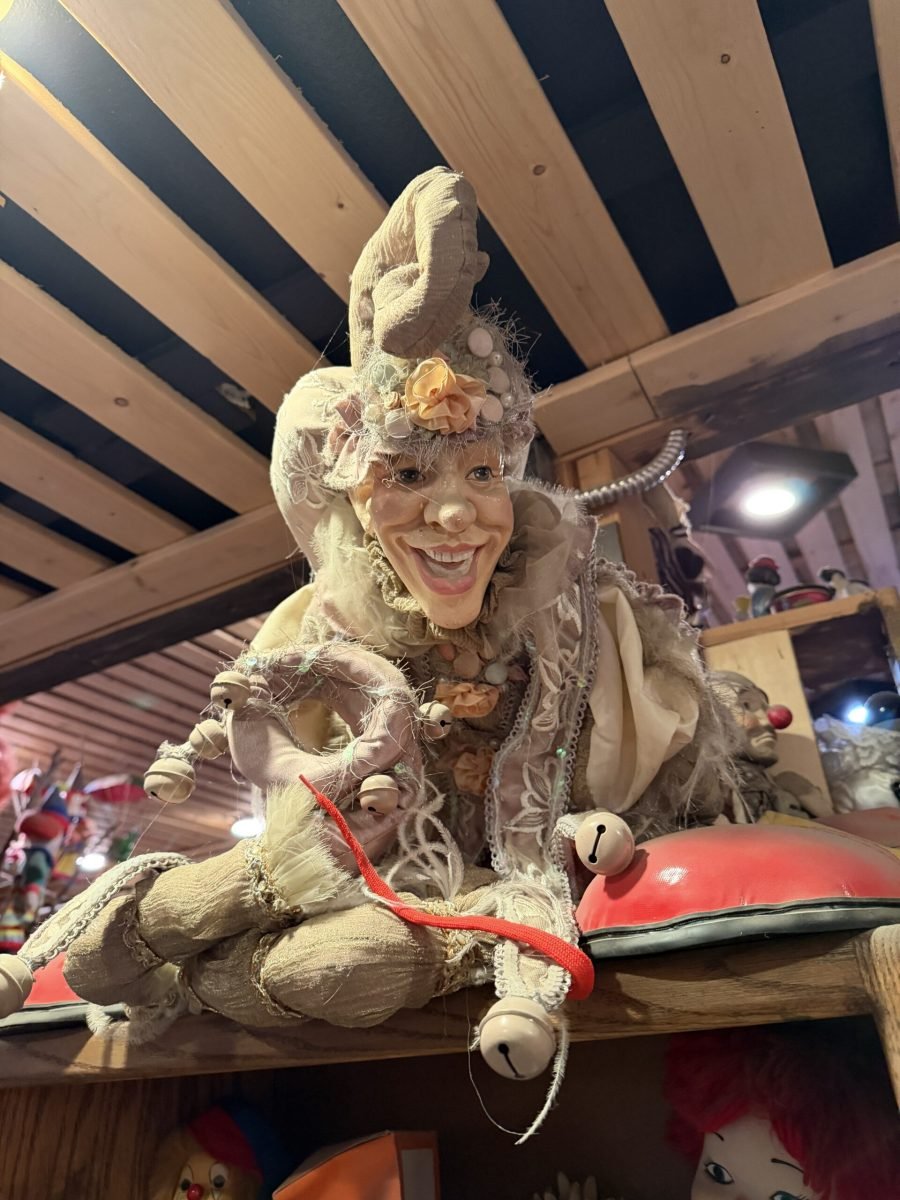
That origin matters because it explains why the motel doesn’t feel like a theme slapped onto a generic building. The clown collection came first, then the legend followed. Visitors also added to the pile over the years, which helped transform the property into a kind of unofficial clown museum with glass cases, shelves, wall art, dolls, masks, and figurines filling shared spaces.
Why the desert setting in Tonopah adds to the creepy mood
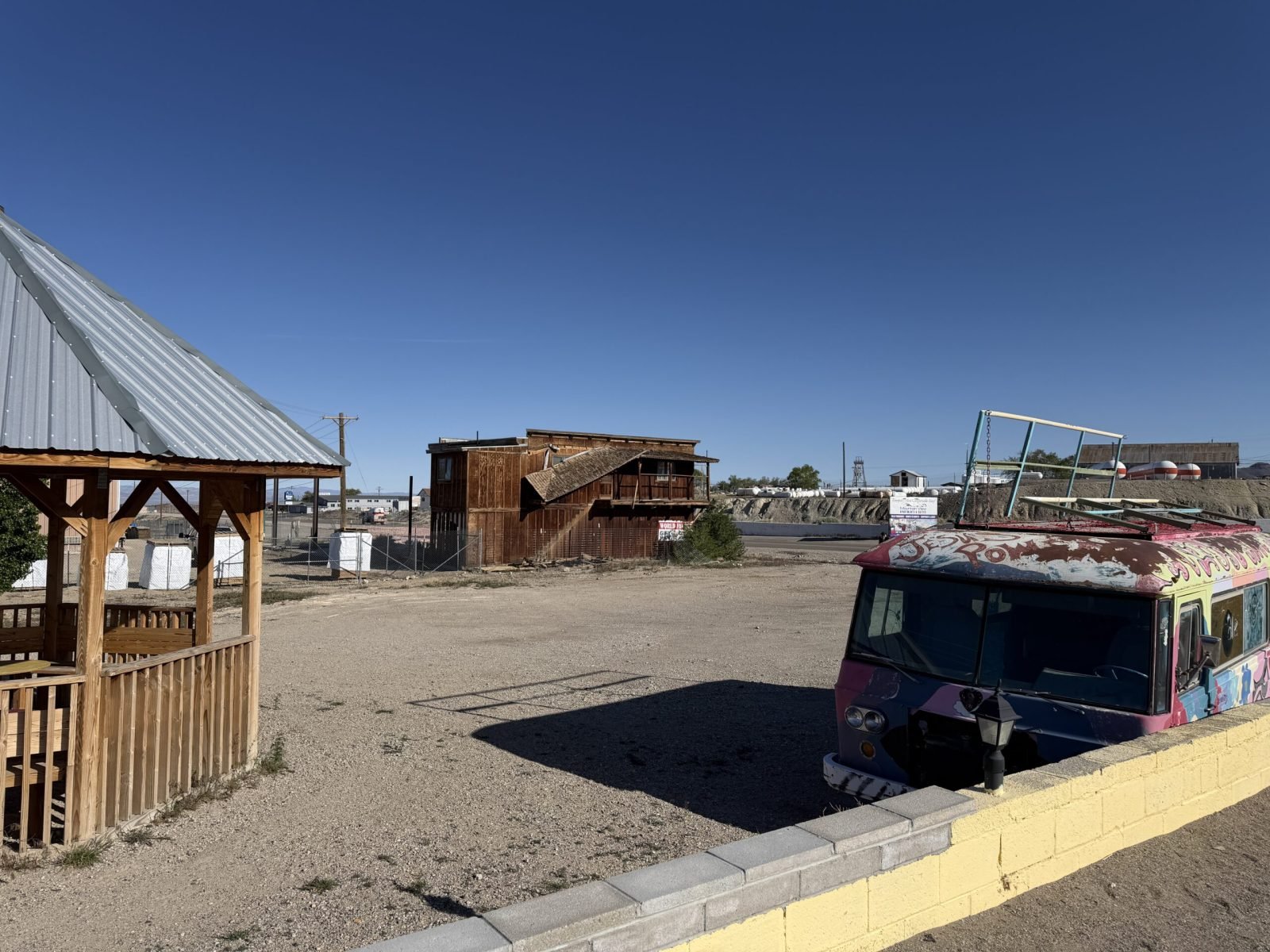
Tonopah does a lot of the atmospheric work. This is a former mining town in central Nevada, with wide roads, sparse traffic, and long stretches of silence after dark. By day, the motel looks like a strange roadside stop. By night, the desert emptiness changes the whole mood.
Street noise fades early. The sky goes black fast. The old mining history around town hangs in the background, and that context gives the motel more weight than a novelty attraction in a busy city ever could. If you’re mapping a bigger trip, it fits naturally into Nevada road trips packed with ghost towns and roadside oddities.
The haunted history starts next door at the Old Tonopah Cemetery
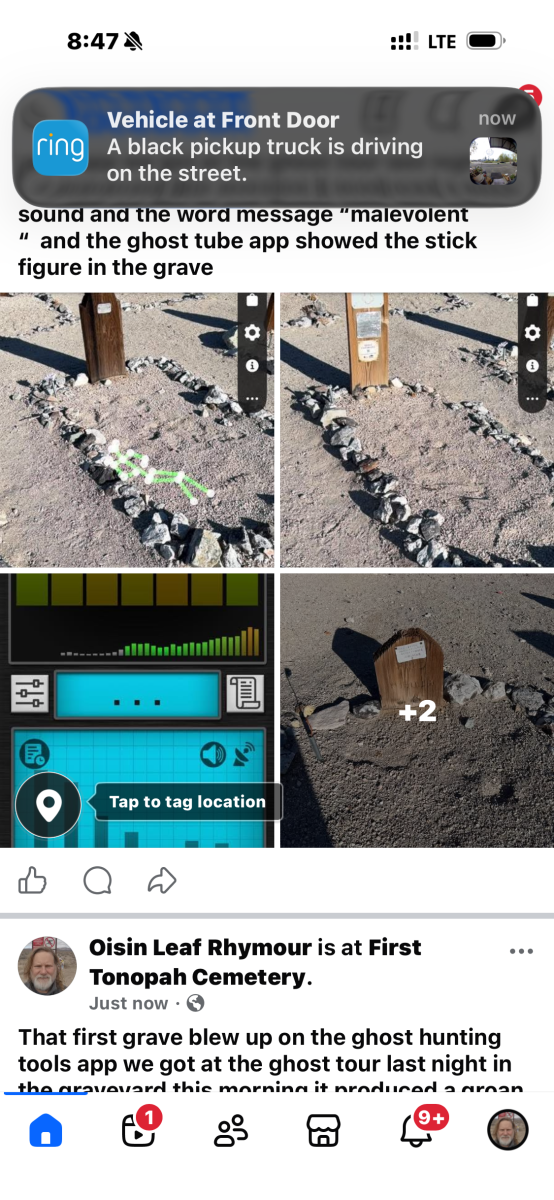
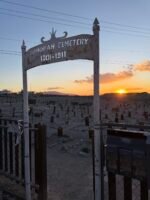
The cemetery next door is not decorative scenery. It is the core of the motel’s haunted reputation. Old Tonopah Cemetery opened in 1901 and closed in 1911, and it holds roughly 300 burials tied to the town’s rough early years. That includes miners, victims of disease, and people caught in the violent uncertainty of a boomtown built on silver.
Tonopah’s history was hard from the start. Mining accidents killed workers. Illness moved fast through close quarters. Local history also remembers the Tonopah Plague, which adds another dark layer to the cemetery’s place in town memory. In a setting like this, the motel’s clown imagery doesn’t create fear by itself. The cemetery gives the fear a local anchor.
The cemetery is the emotional center of the Clown Motel story, because it ties every strange tale to real deaths in Tonopah’s past.
The miners, plague victims, and early graves that shaped the legend
The dates matter because they match Tonopah’s roughest growth years. This was a mining town moving fast, and fast-growing towns often carried hard costs. Fires, cave-ins, disease, and poor living conditions left marks that still shape the cemetery’s identity.
Visitors often focus on the 1911 mine fire and other fatal accidents when they talk about the grounds. Even without a ghost story, the site feels heavy. Weathered markers, desert dust, and the short distance between graves and motel rooms create an unusual overlap between memorial ground and tourist stop. The Haunted Rooms profile of the Clown Motel captures why that mix unsettles so many people.
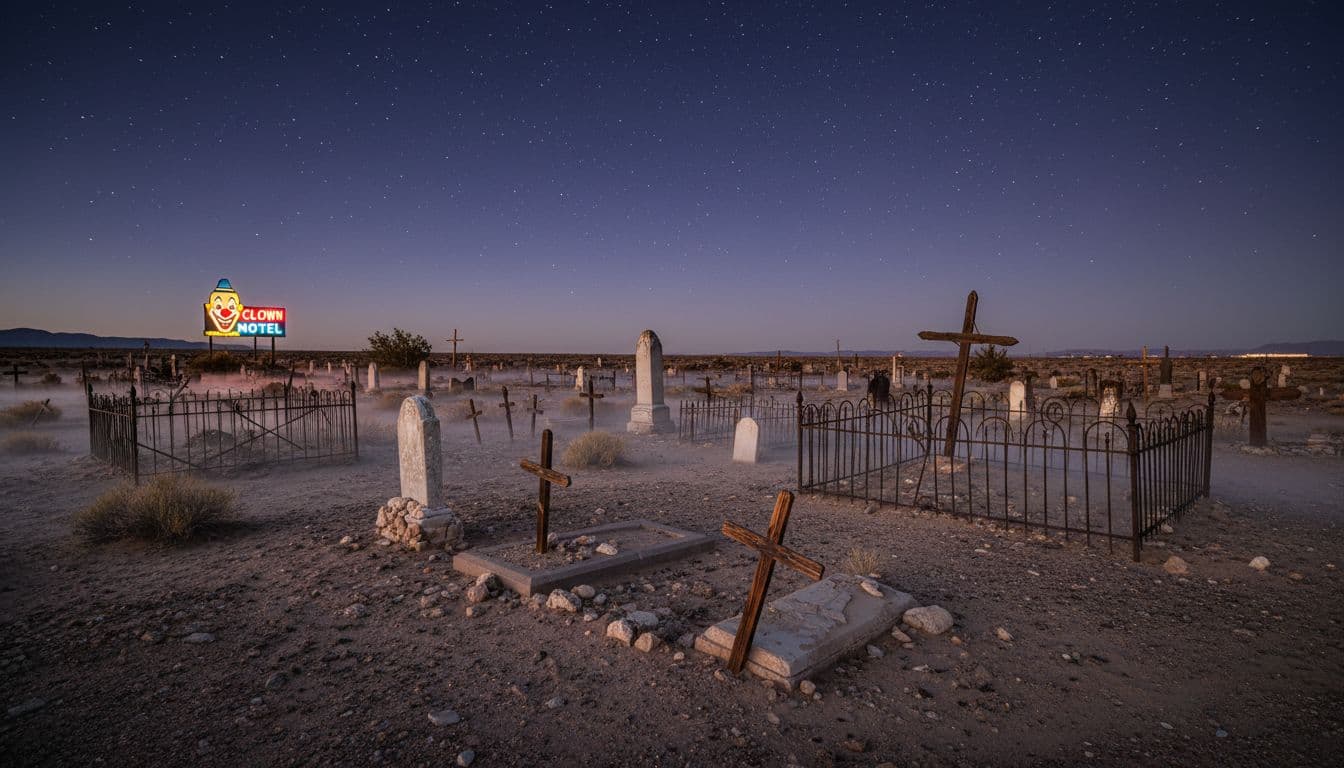
Why do so many visitors connect the cemetery to paranormal activity at the motel
Most reports follow a familiar pattern. Guests describe footsteps outside rooms, voices in the night, cold spots, flickering lights, and the sense that someone is moving through the grounds. Some claim to see full apparitions or shadow figures. Others talk about hearing miners or feeling watched near the cemetery fence.
None of that proves a haunting, and serious paranormal readers know the difference between testimony and evidence. Still, place matters in ghost lore, and this place has strong ingredients. The motel and cemetery sit so close together that many visitors feel the two sites work as one field of activity. For ghost hunting groups and parapsychology-minded travelers, that proximity is the whole appeal.
What it is like to stay there, from the basic clown rooms to the museum and gift shop
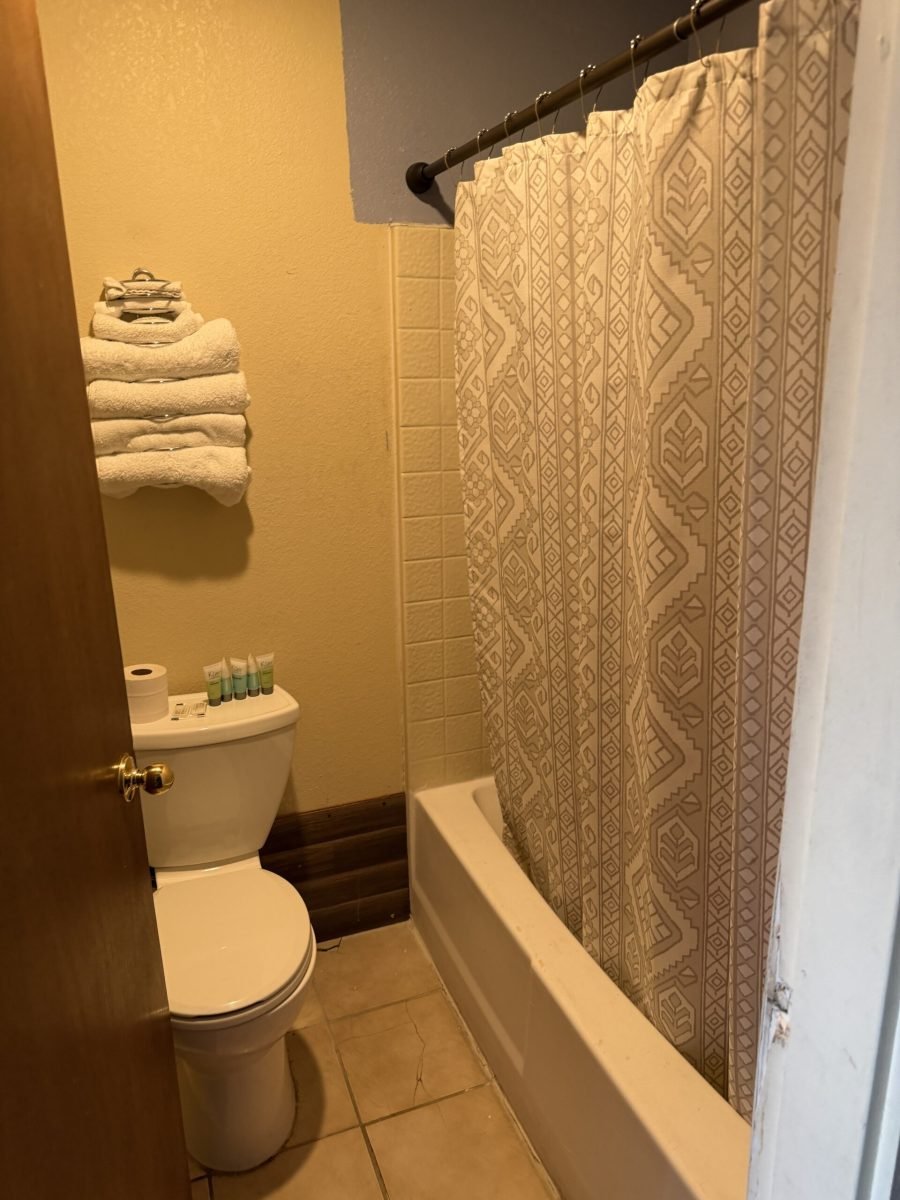
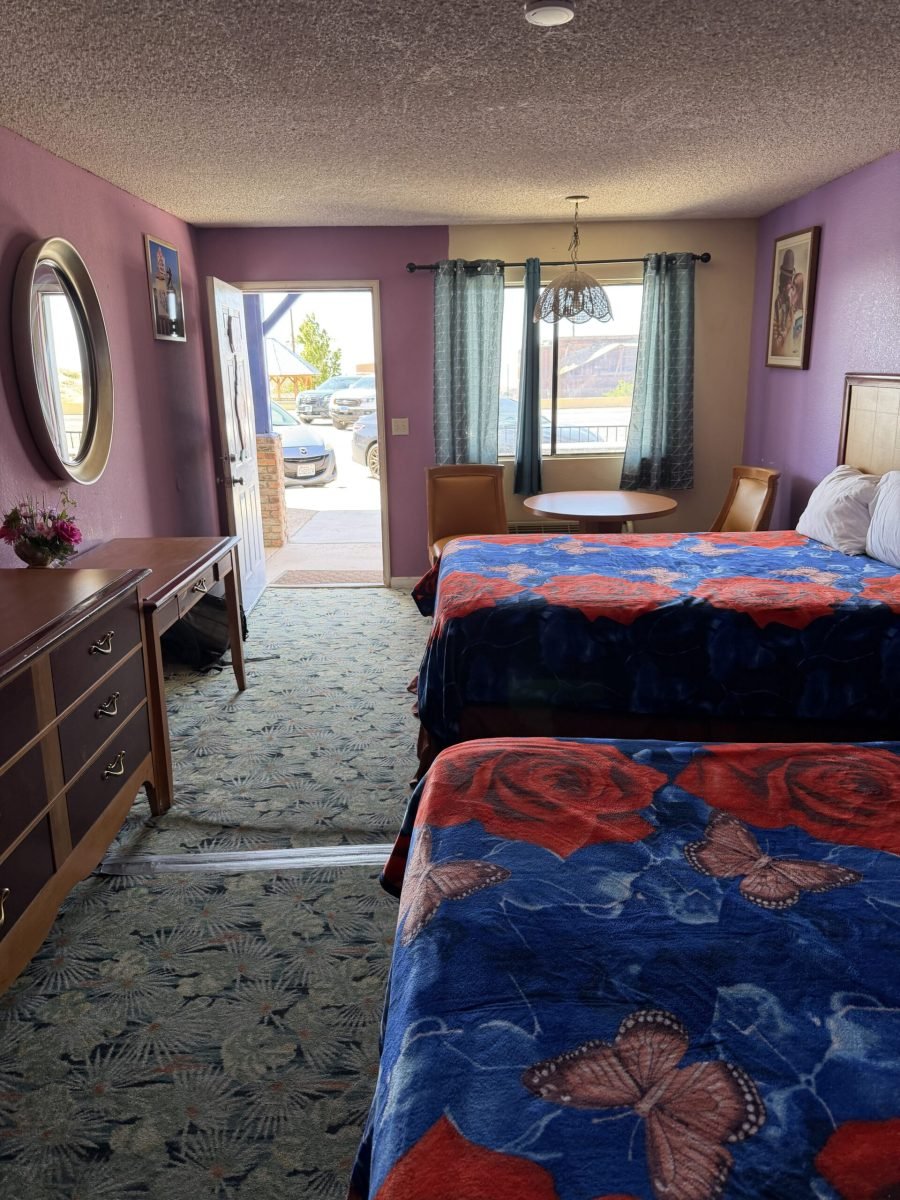
A stay at The Clown Motel isn’t about luxury. The comfort is basic, and that is part of the charm. Even a standard economy room can feel like one of the property’s haunted hot spots, because the strange charge comes from the whole setting, not only the themed suites.
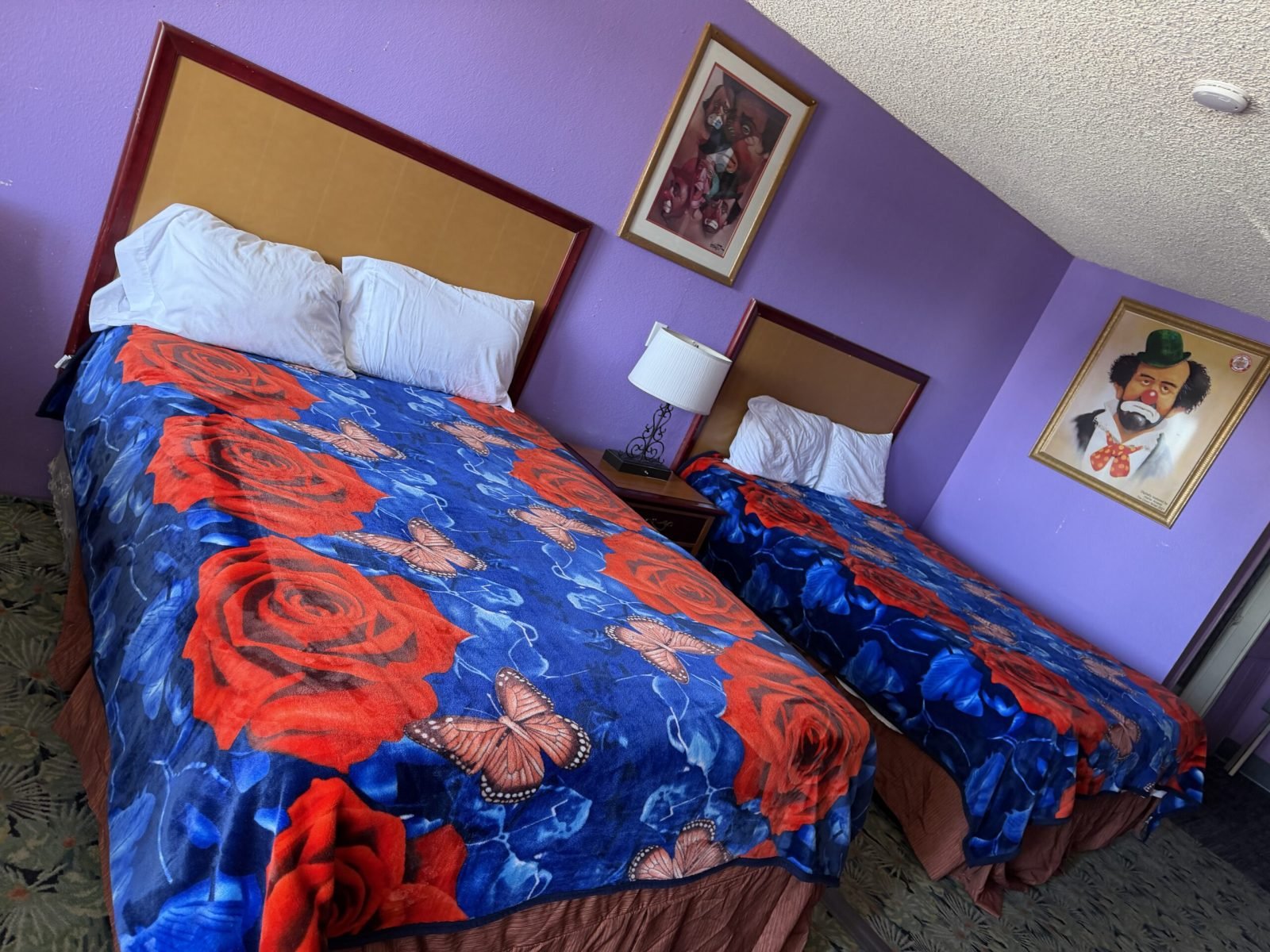
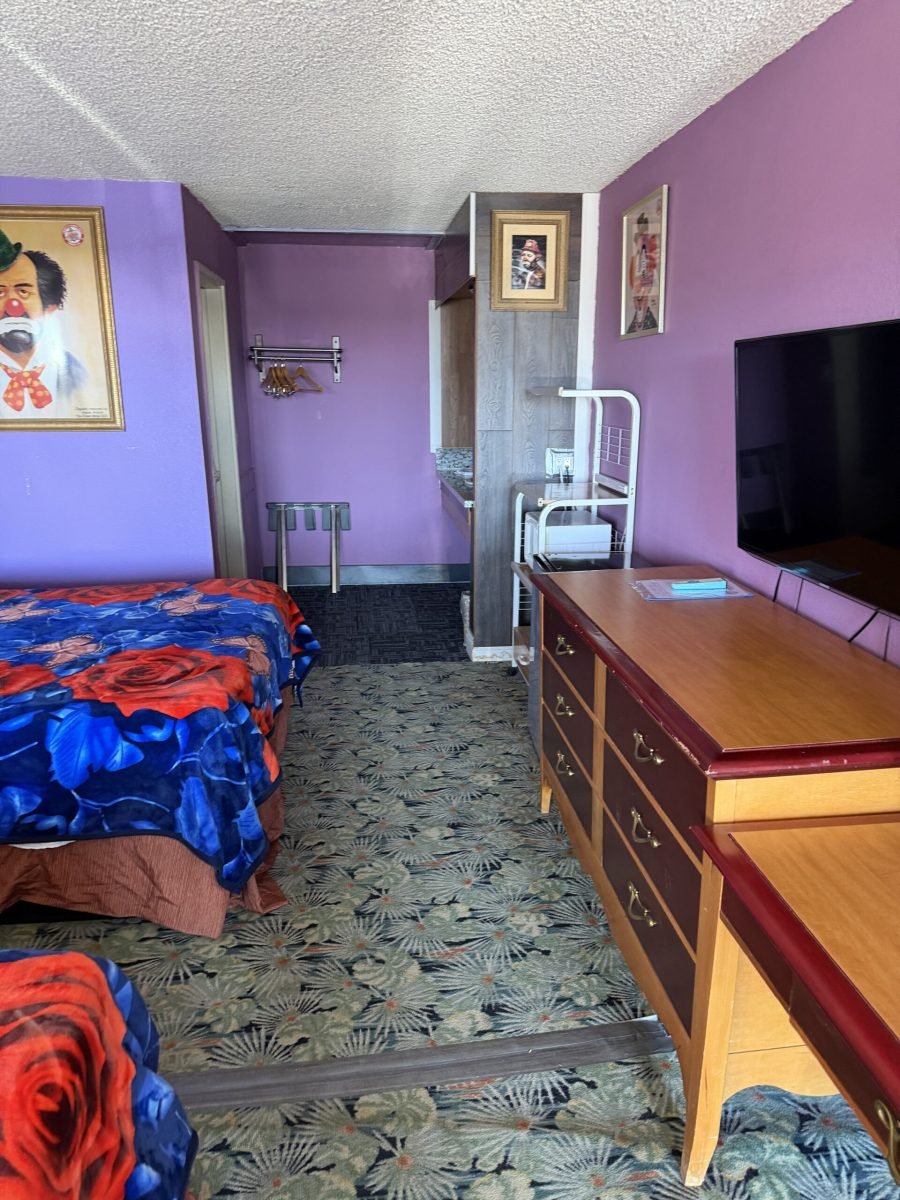
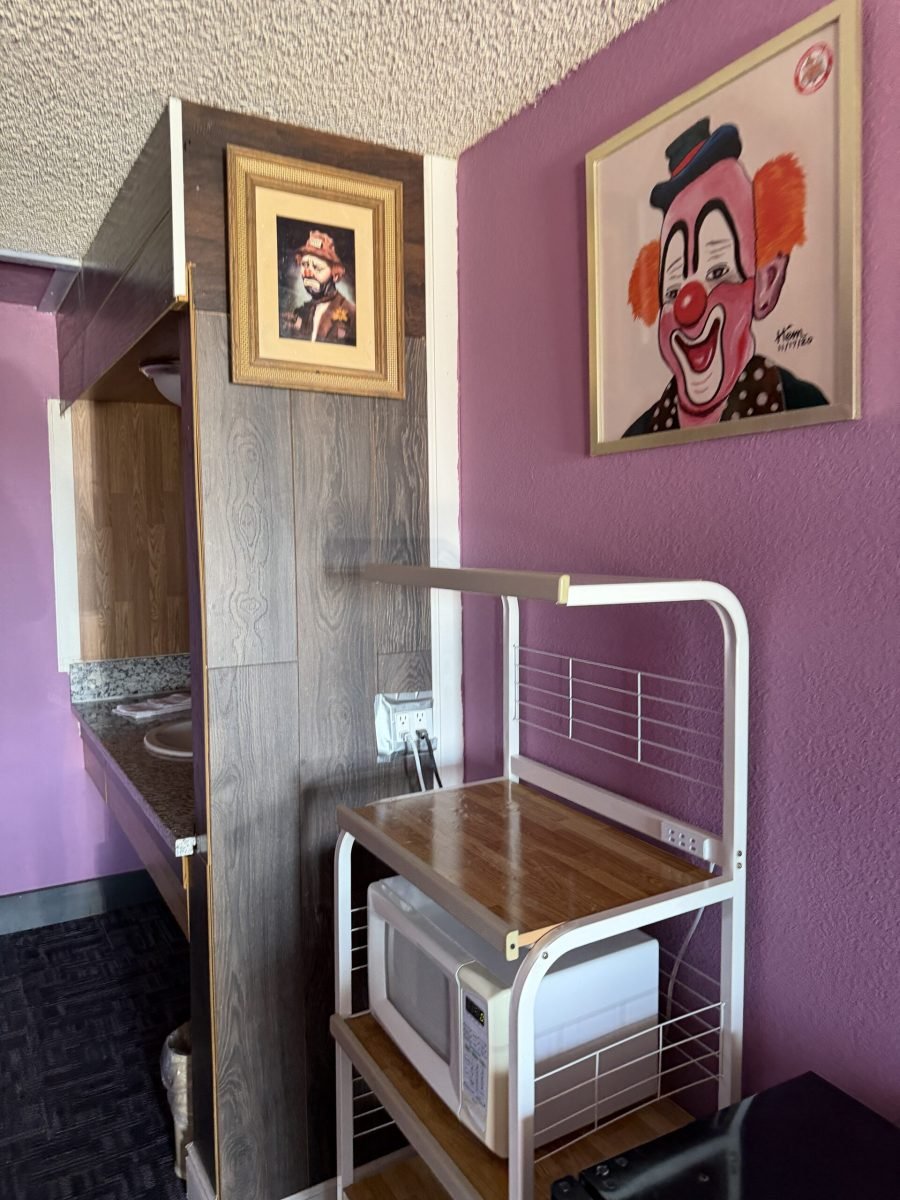
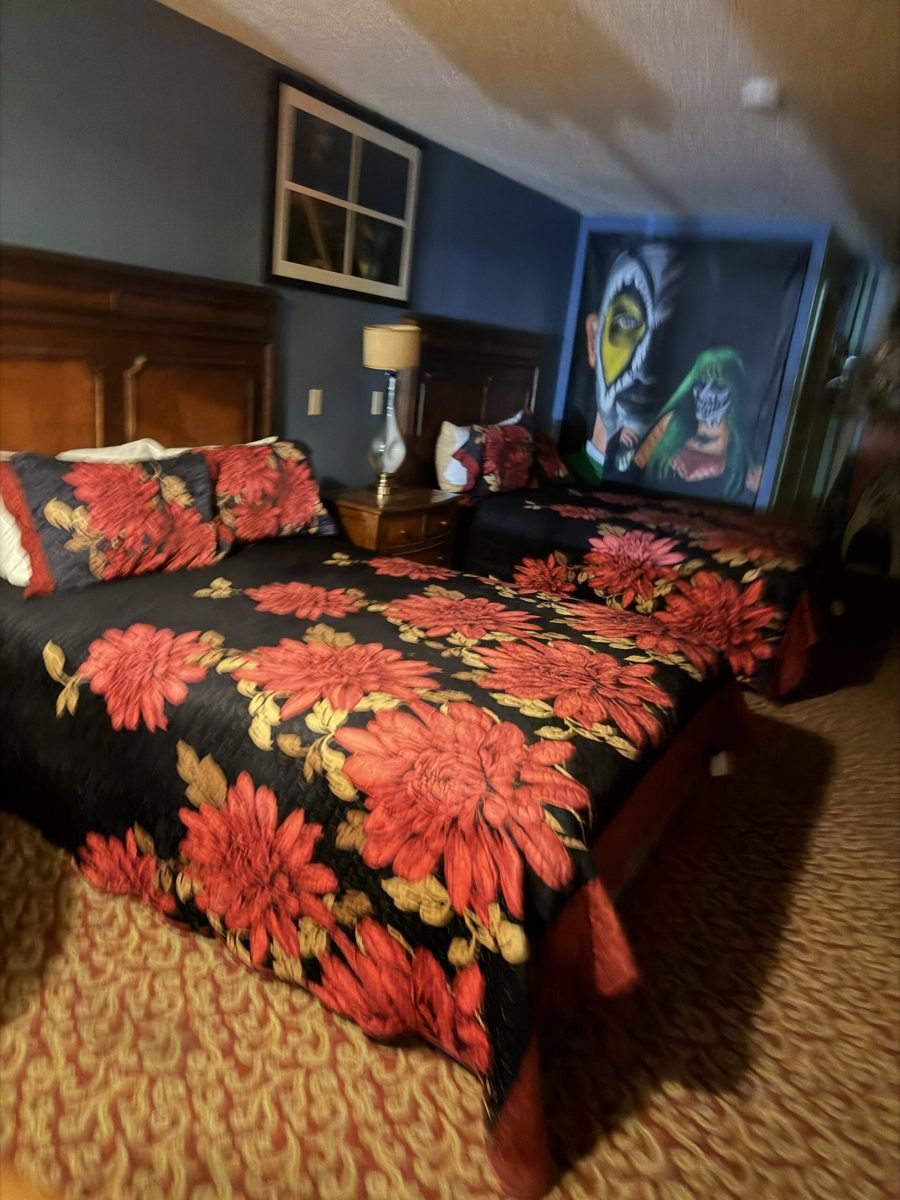
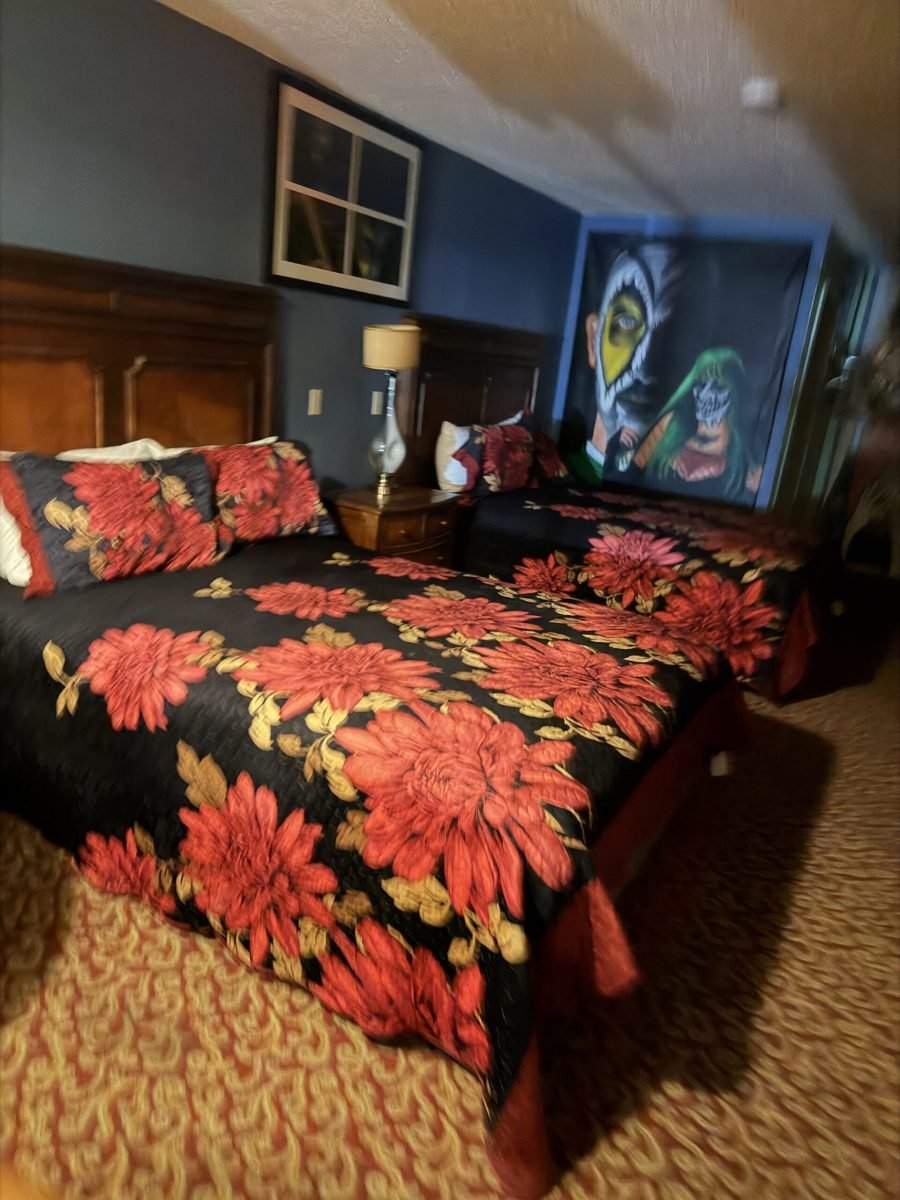
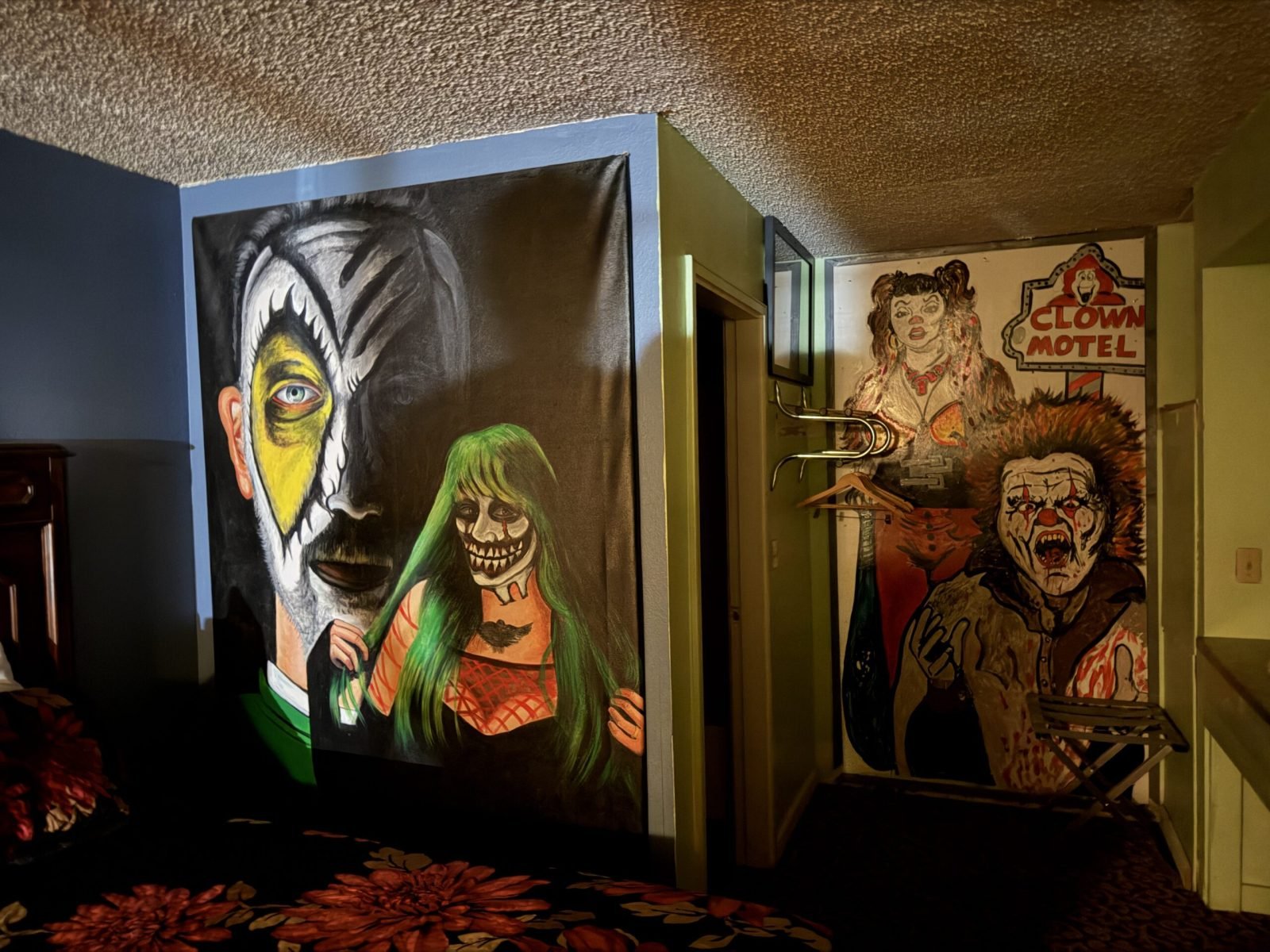
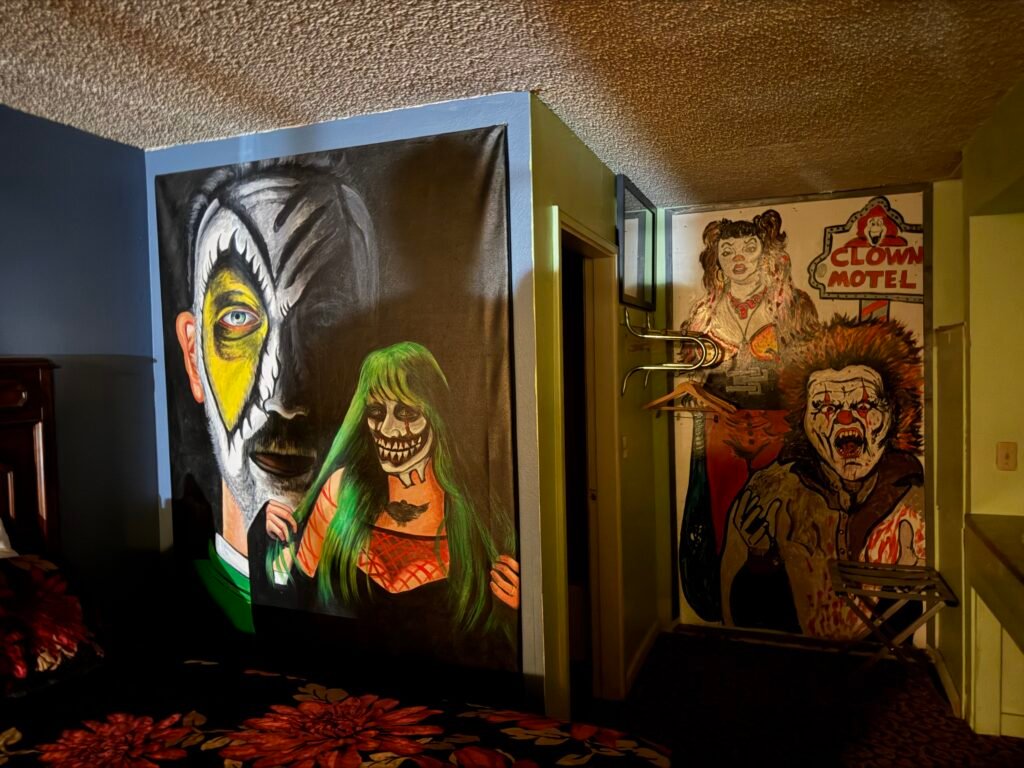
The official room setup is straightforward, with heating and cooling, a TV, fridge, microwave, and coffee maker. That ordinary layout creates a sharp contrast with the decor. You might be in a room that otherwise feels familiar, yet clown art on the wall keeps nudging the brain in the wrong direction.
Inside a basic room, simple comfort with a very strange twist
The basic clown room works because it plays against expectation. The bed is normal. The furniture is normal. Then your eye lands on a painted clown face, a figurine on the nightstand, or a grin in a frame across the room. That small shift changes the air.
For first-time ghost hunting visitors, that matters more than polished design. A plain room can feel creepier than a heavily themed one because it leaves more space for imagination. When the motel is quiet, and the cemetery sits just outside, every hallway sound feels amplified. The room doesn’t have to perform. The setting already does.
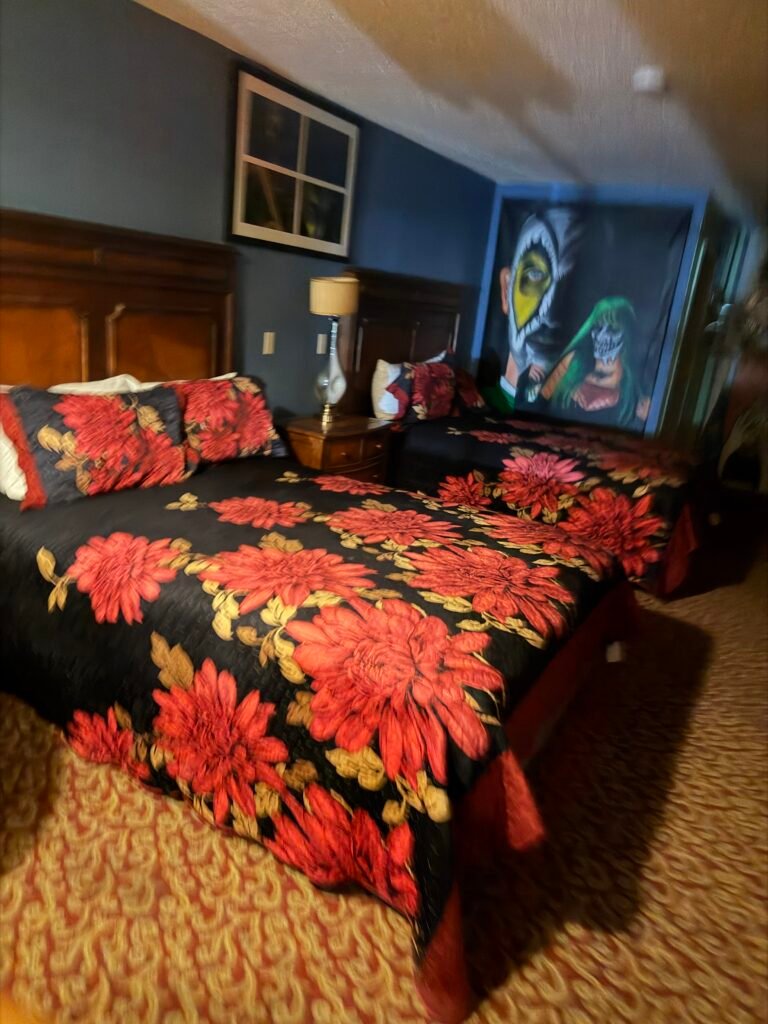
The clown museum, themed spaces, and gift shop that visitors feel complete
The lobby and display areas are a major part of the experience. They feel half museum, half roadside oddity house, with clown cases and themed touches that make you want to look longer than comfort suggests. That museum feel gives the motel more staying power than a quick selfie stop.
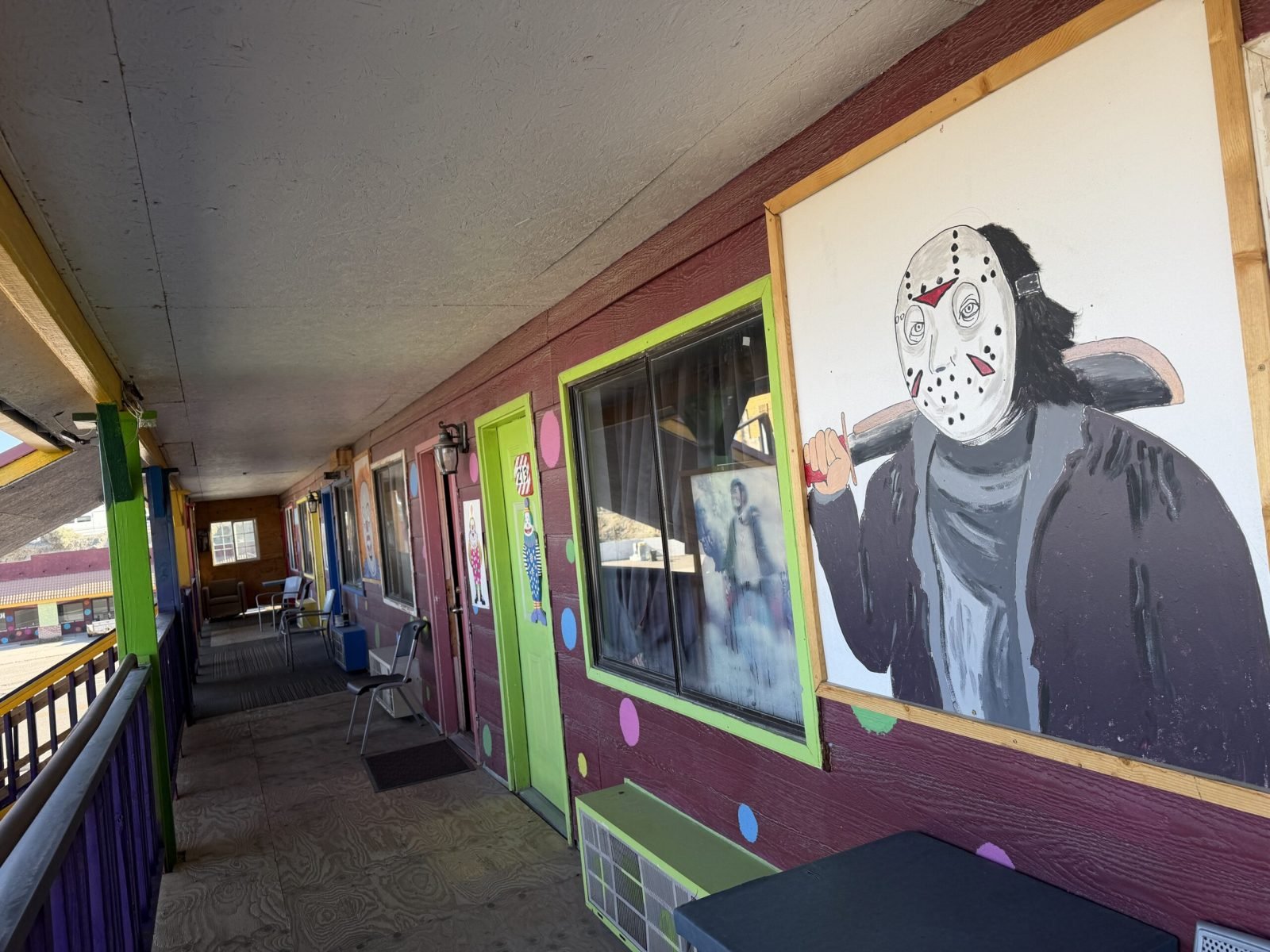
Then there is the playful side. The gift shop keeps the visit from becoming too grim, and the themed horror rooms push the motel into a more self-aware kind of camp. That balance is why the place works for more than die-hard believers. It can feel creepy, funny, nostalgic, and tacky in the best sense, all within the same hour.
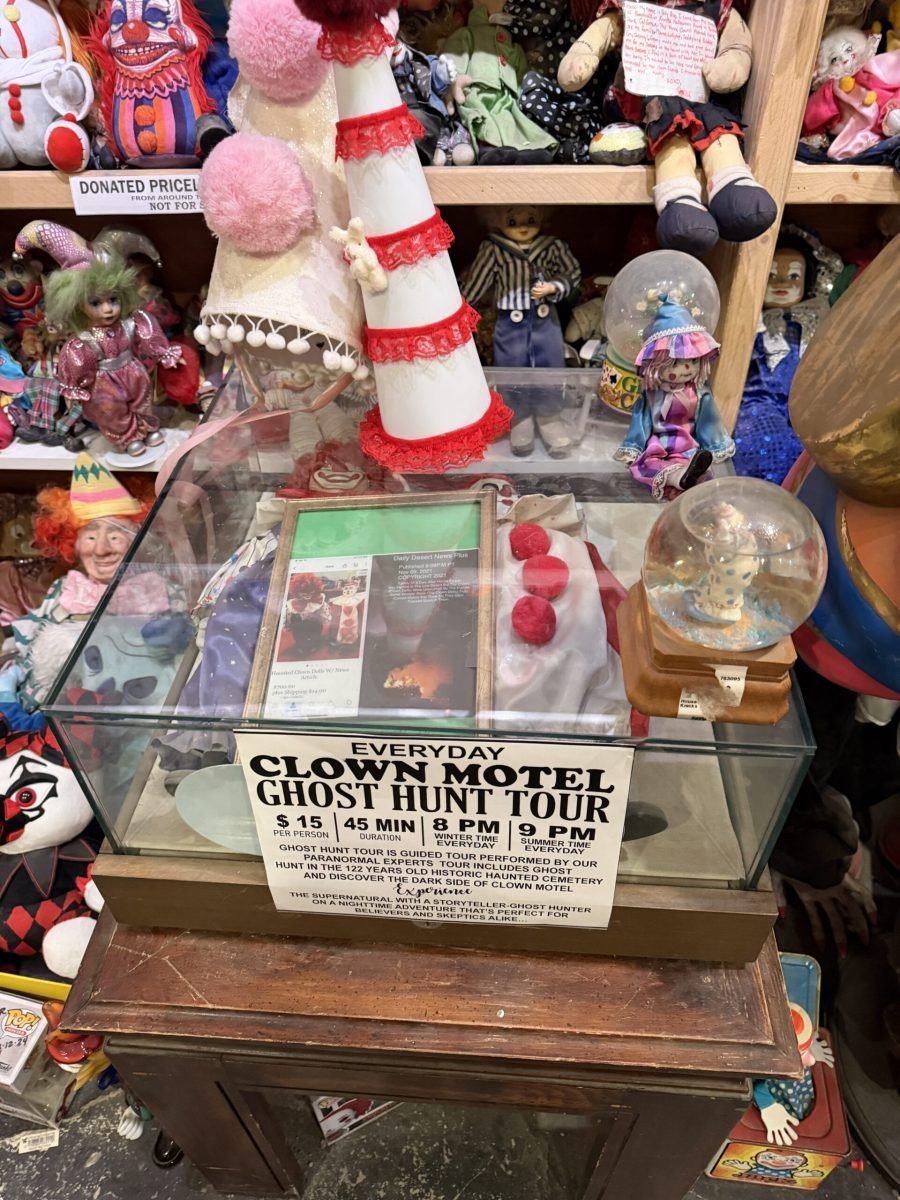
The nightly ghost tour and why it is a top-rated part of the experience
For many visitors, the after-dark ghost tour is the main reason to book. A room gives you the setting, but the tour gives you a story map. It connects the cemetery, the motel grounds, and the reported activity into one shared experience, which makes the stay feel active rather than passive.
Public descriptions in 2026 still point to regular ghost walks, paranormal packages, and overnight investigations tied to the property. The motel’s paranormal experiences and ghost hunting packages build directly on that demand.
What happens on the nightly tour of the motel and cemetery grounds
The flow is usually simple, and that helps. After dark, guests walk the haunted areas of the motel and then move through the cemetery side with stories attached to certain rooms, parts of the grounds, and deaths from Tonopah’s mining era. The darkness does more than the script ever could.
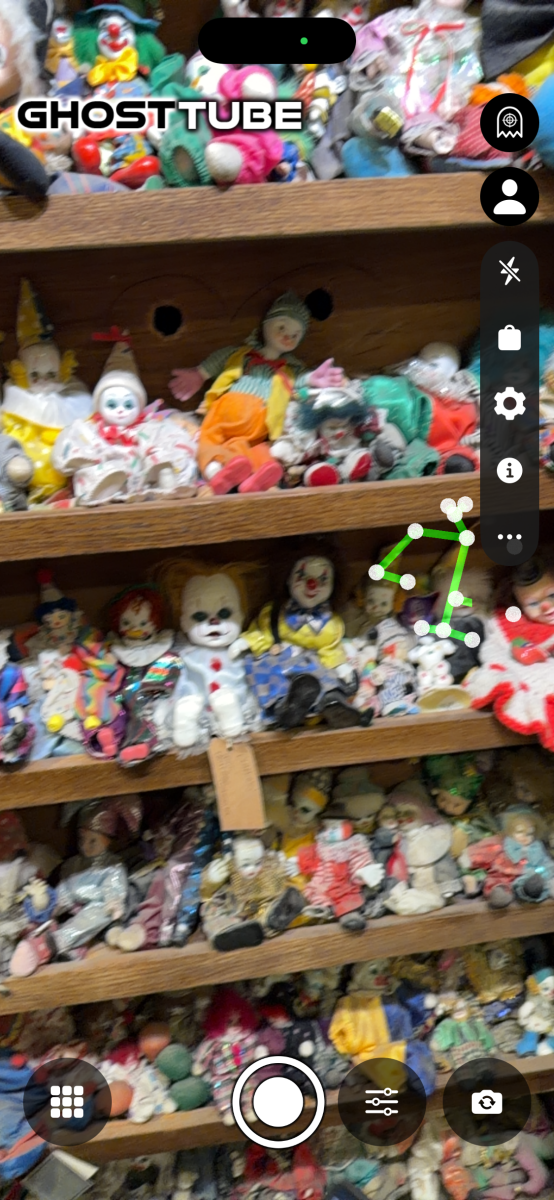
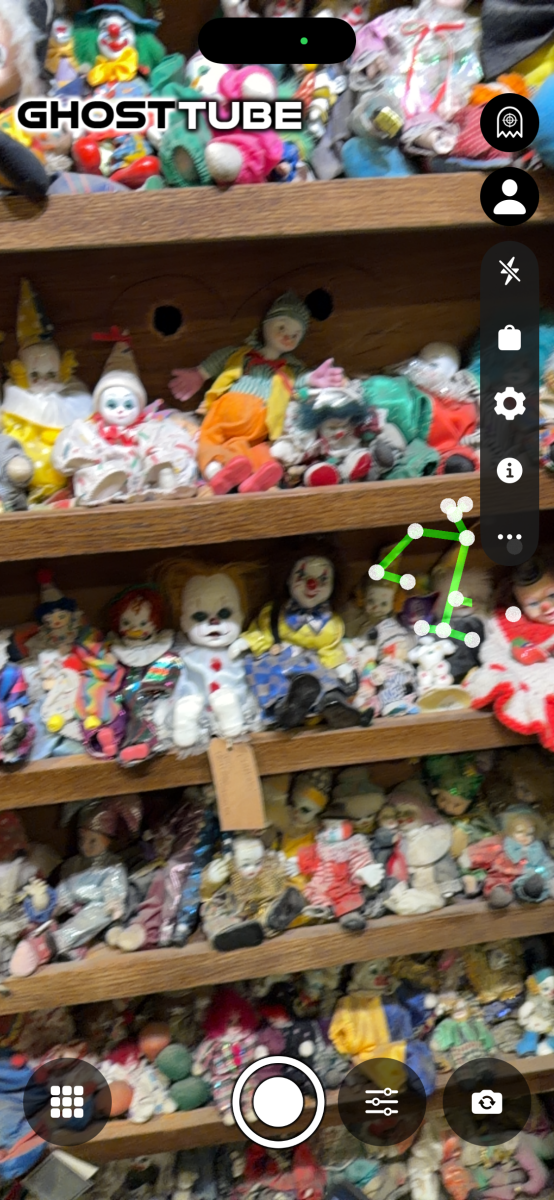
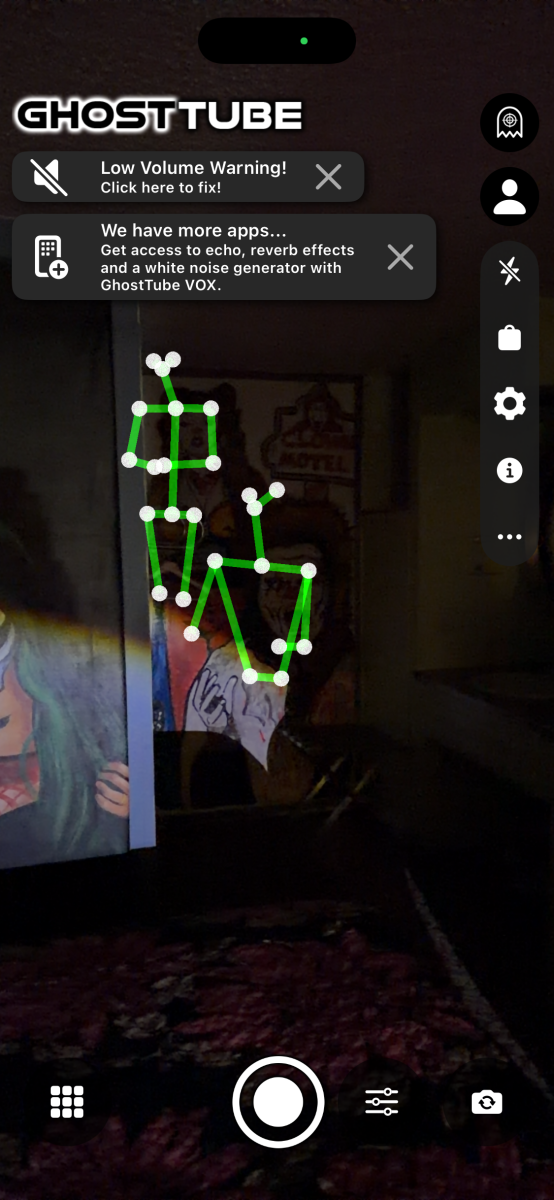
More involved experiences can include longer vigils and ghost hunting tools such as EMF meters, based on current public listings and paranormal promotions. The Clown Motel ghost hunt and sleepover listing shows how far that side of the experience now goes for serious fans.
Why ghost hunters and paranormal fans rate the tour so highly
People rate the tour well because it layers several kinds of interest at once. You get local history, a live sense of place, the tension of nighttime walking, and the chance to test your own nerves. That mix appeals to believers, skeptics, and researchers for different reasons.
For paranormal travelers, the motel has a useful quality. It gives you a controlled setting with a strong legend attached. For skeptics, the same tour still works as storytelling grounded in a real cemetery and a harsh mining past. Either way, the walk turns the Clown Motel from a weird stop on Highway 95 into a shared event that stays with you after checkout.
The Clown Motel fits people who want haunted motels with personality, not polished luxury. Its pull comes from contrast, a basic overnight stay set inside clown decor, next to graves, under desert skies.
That is why Tonopah’s strangest motel lingers in memory. It blends Nevada mining history, oddity culture, and paranormal atmosphere into one weird, creepy, and surprisingly fun place to spend the night.