The Weight of Haunted History
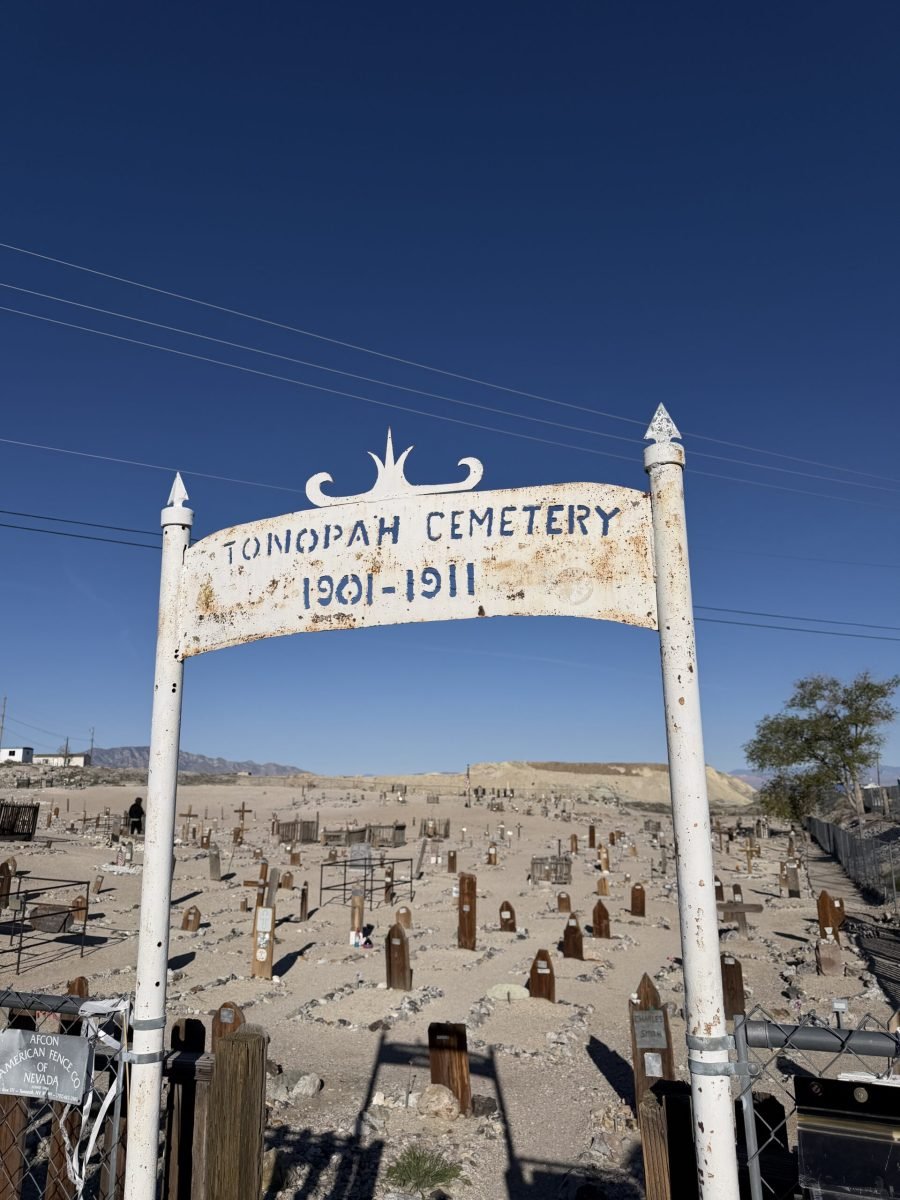
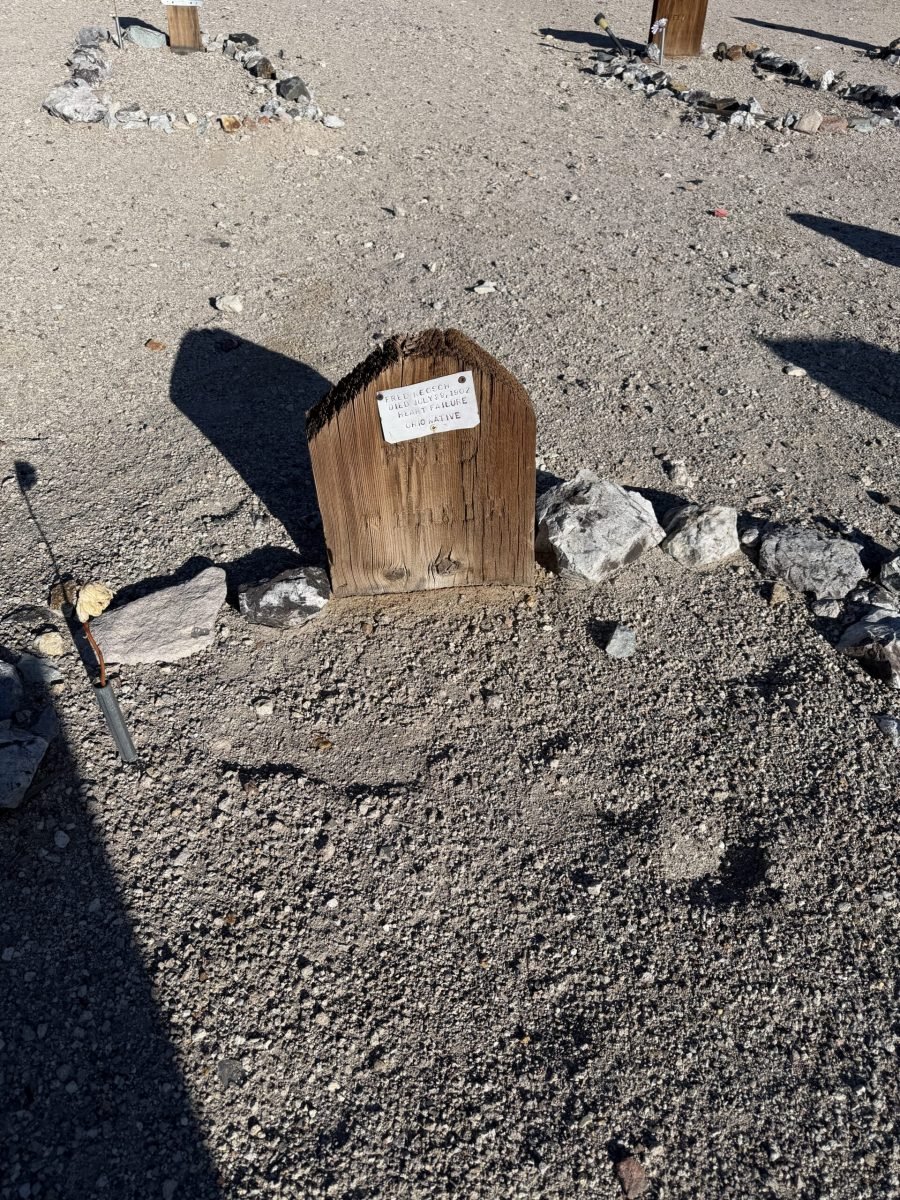
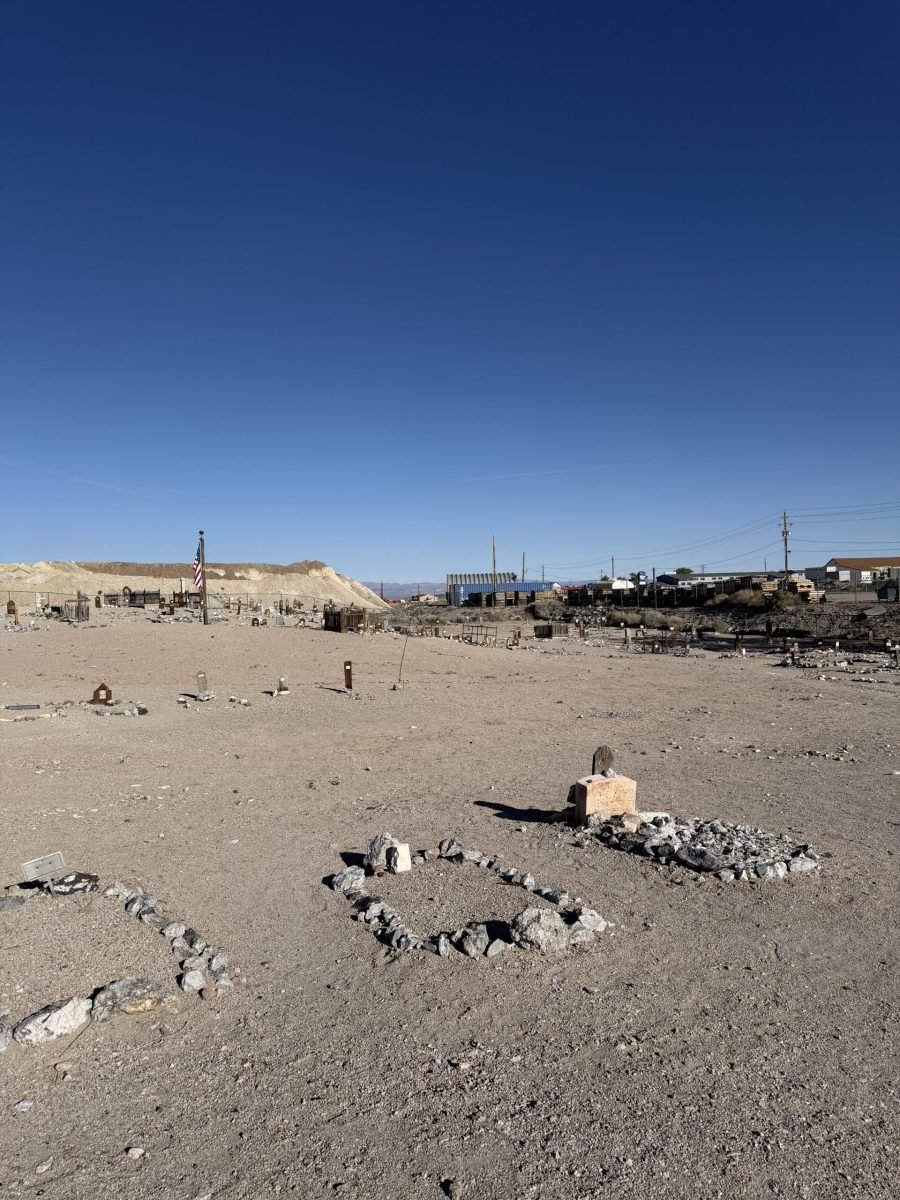
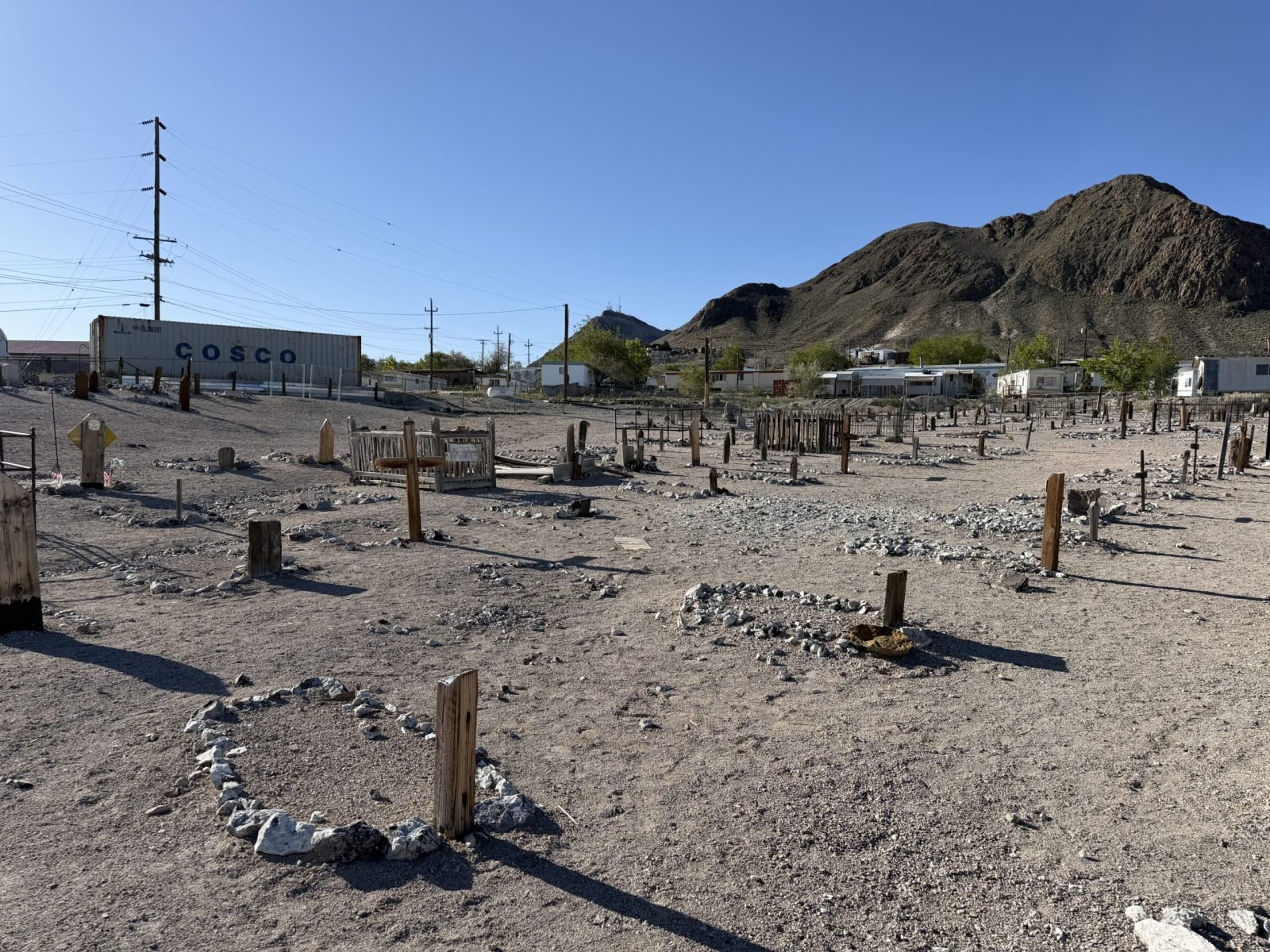
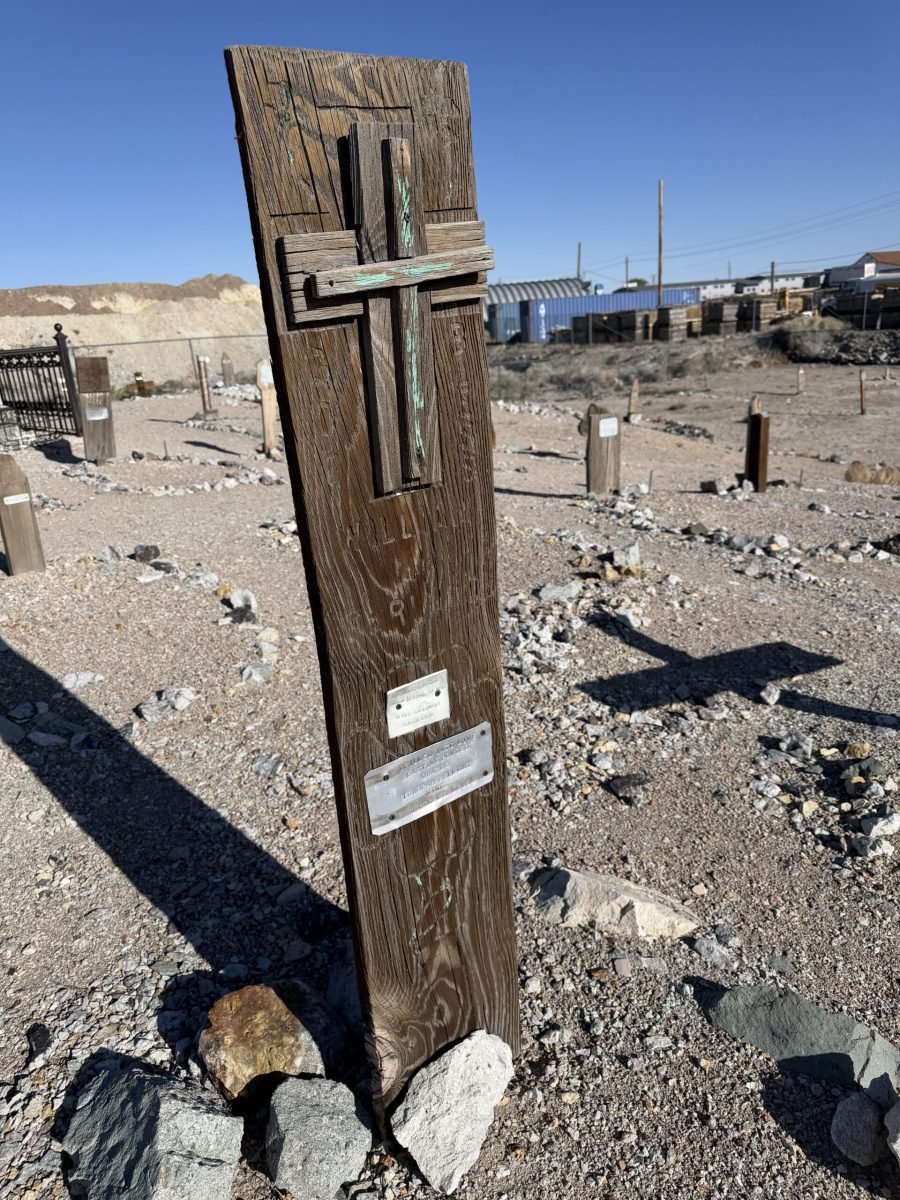
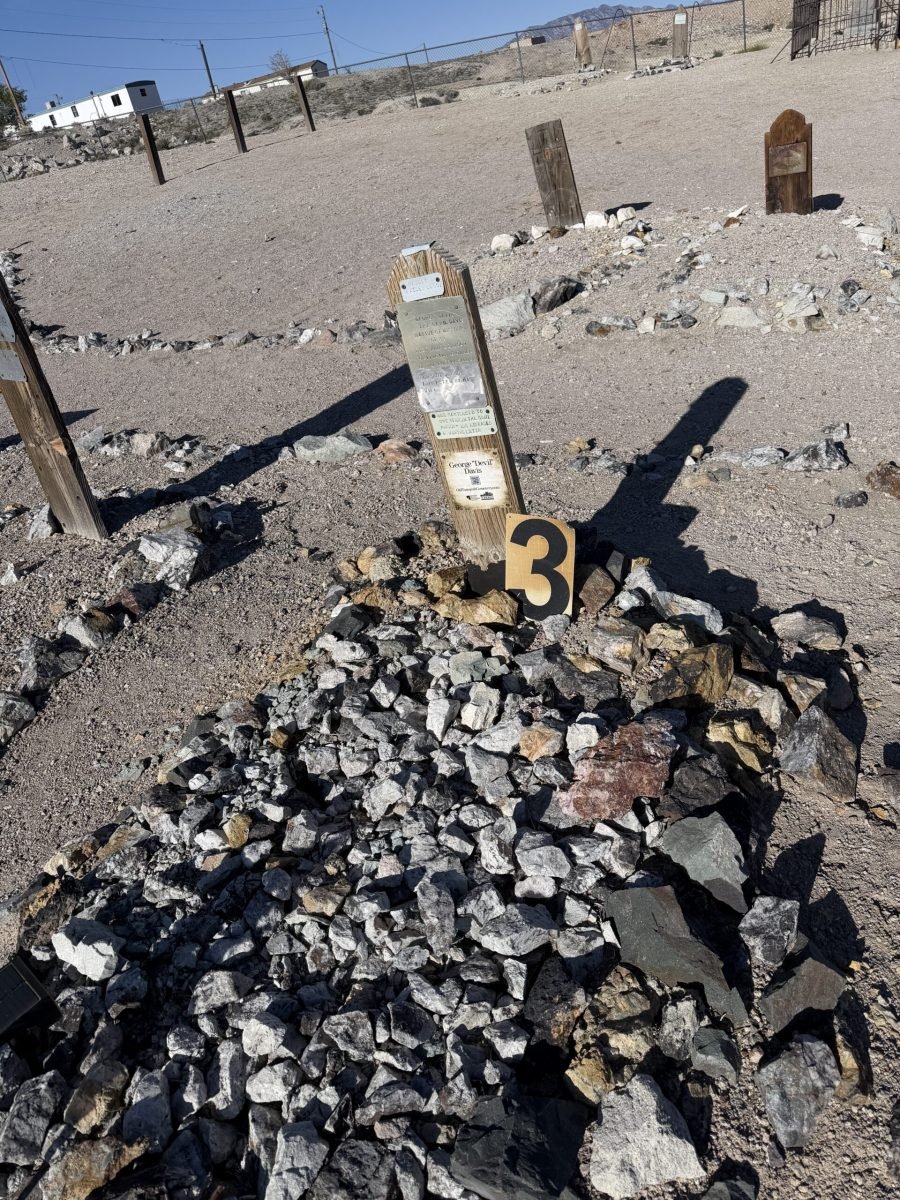
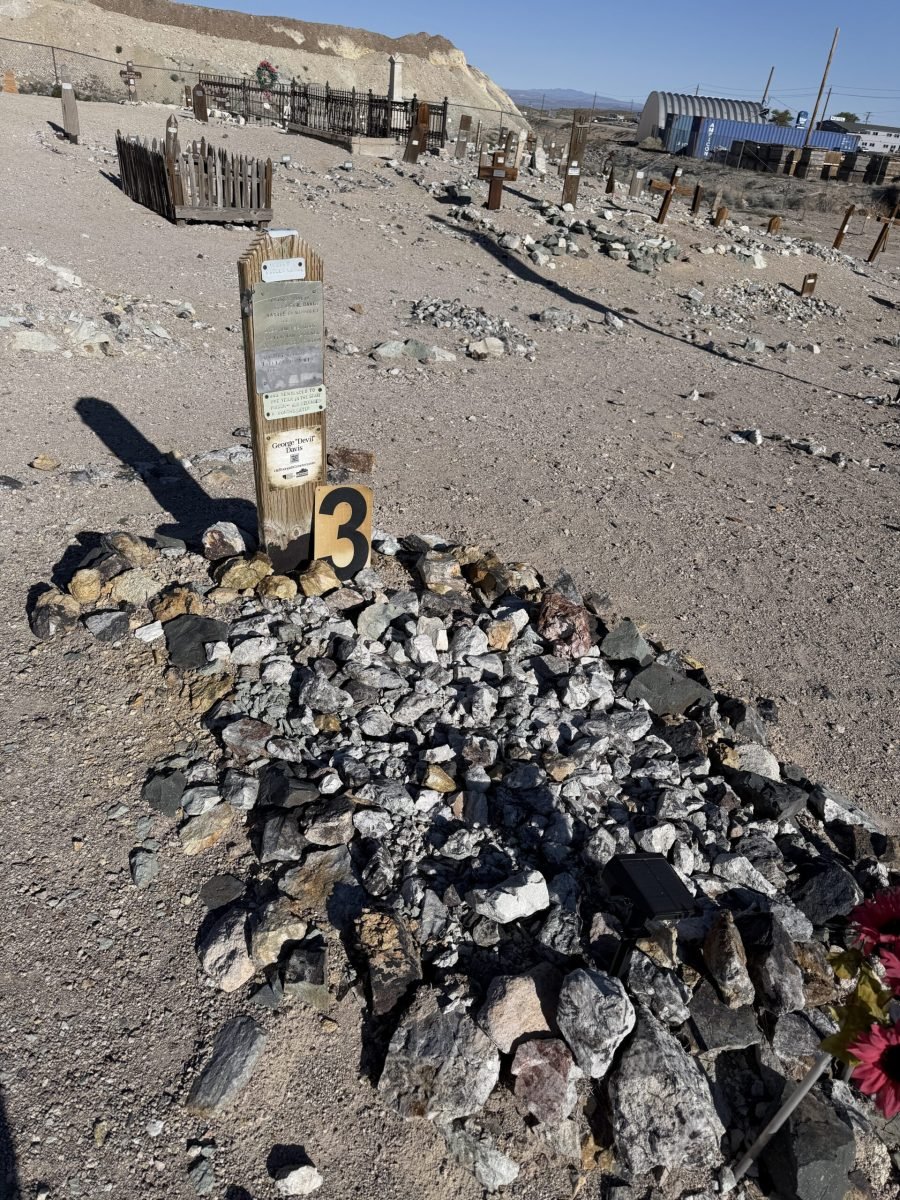
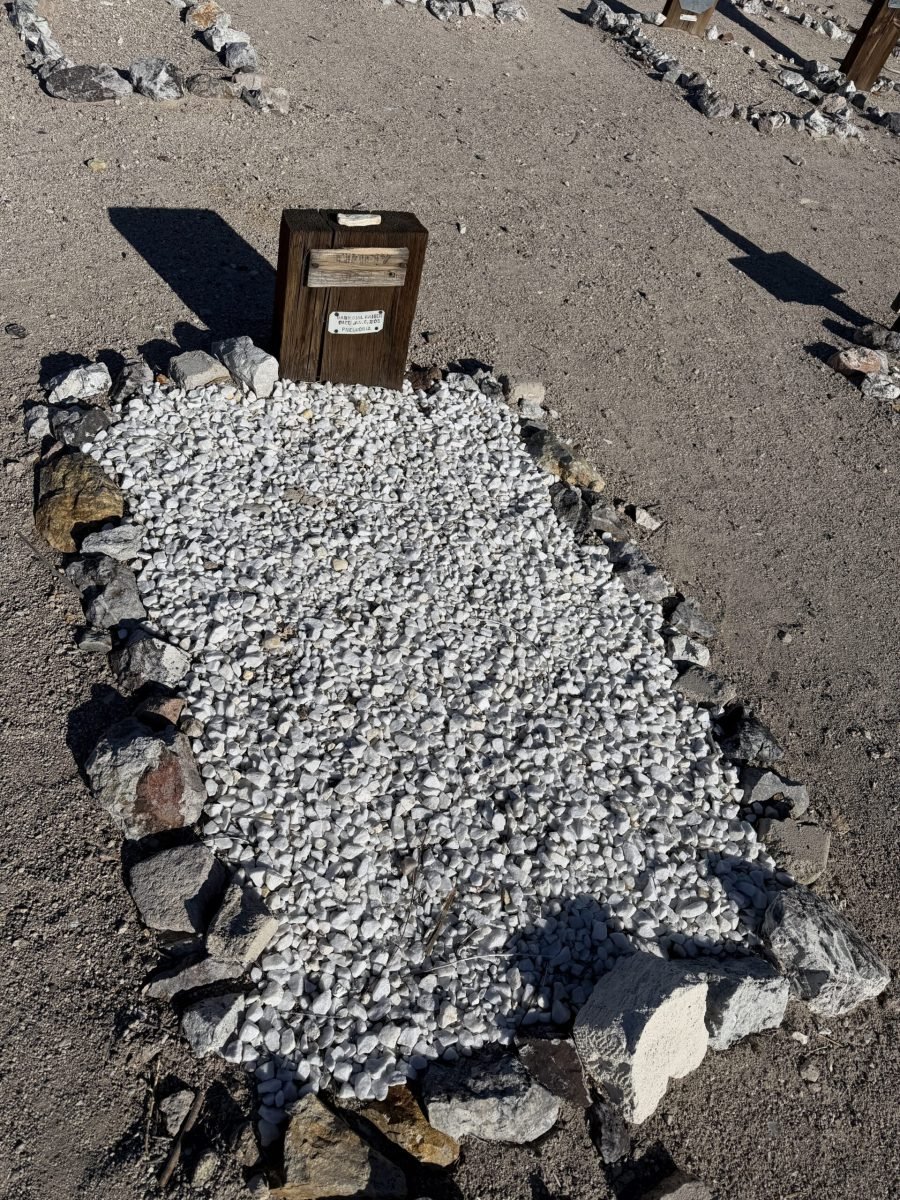
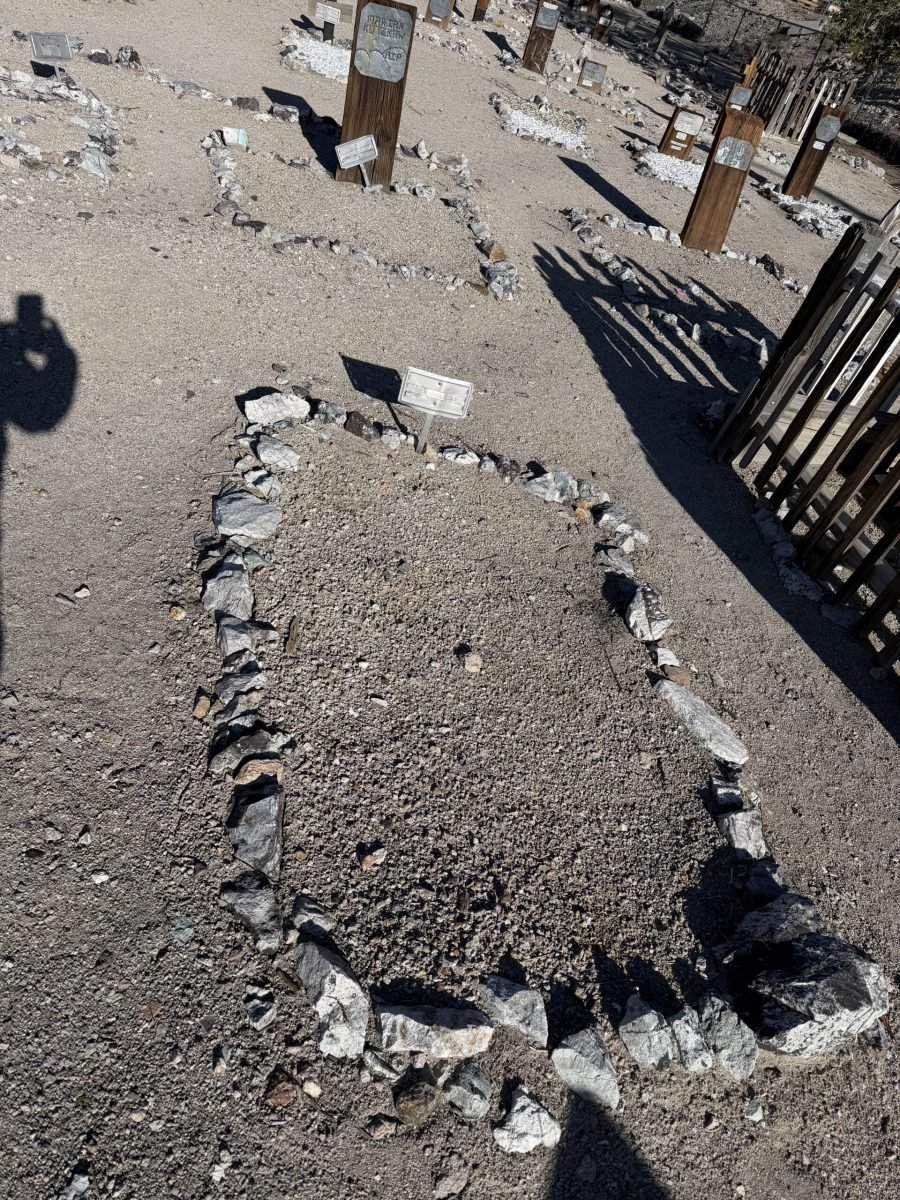
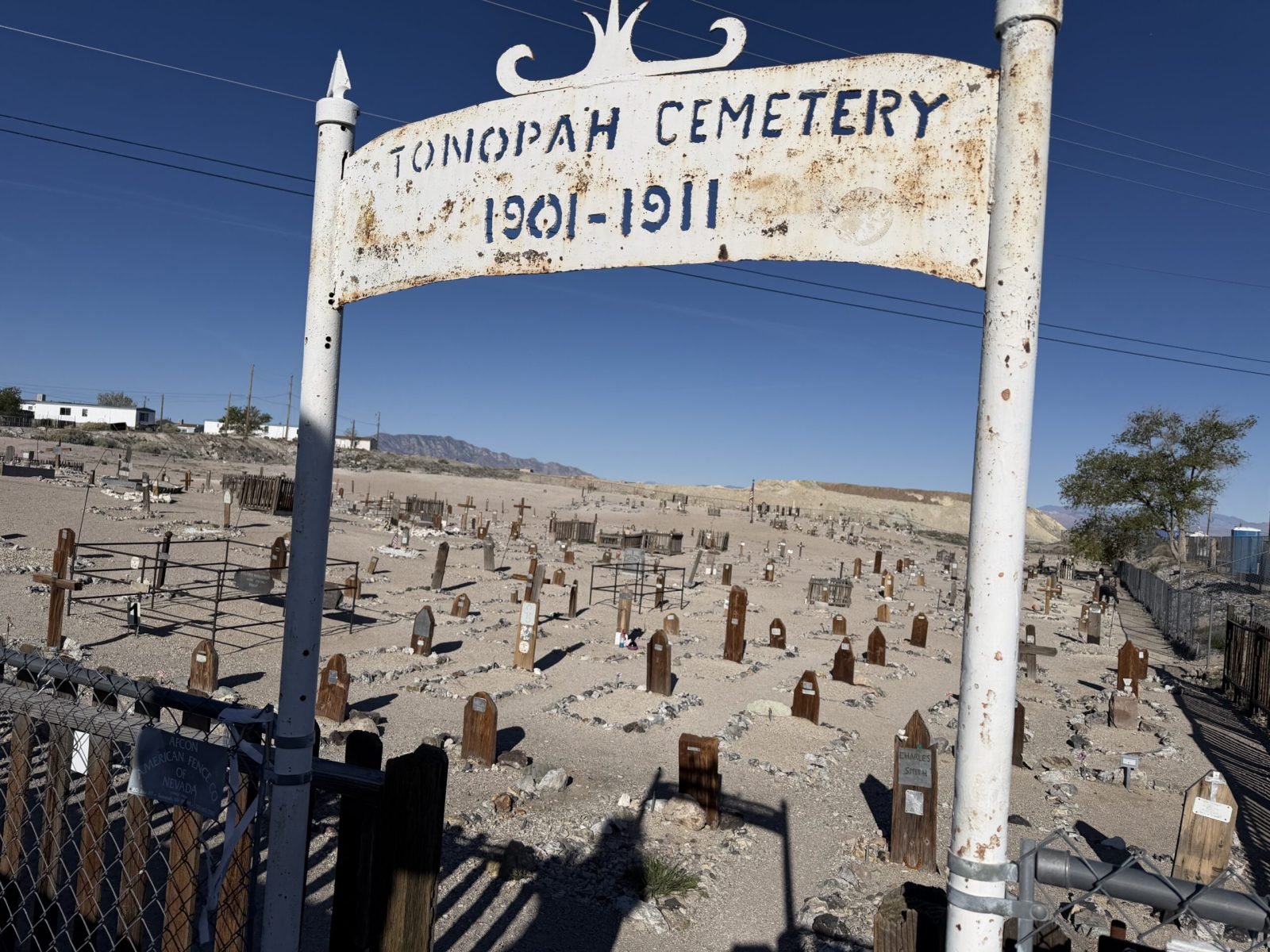
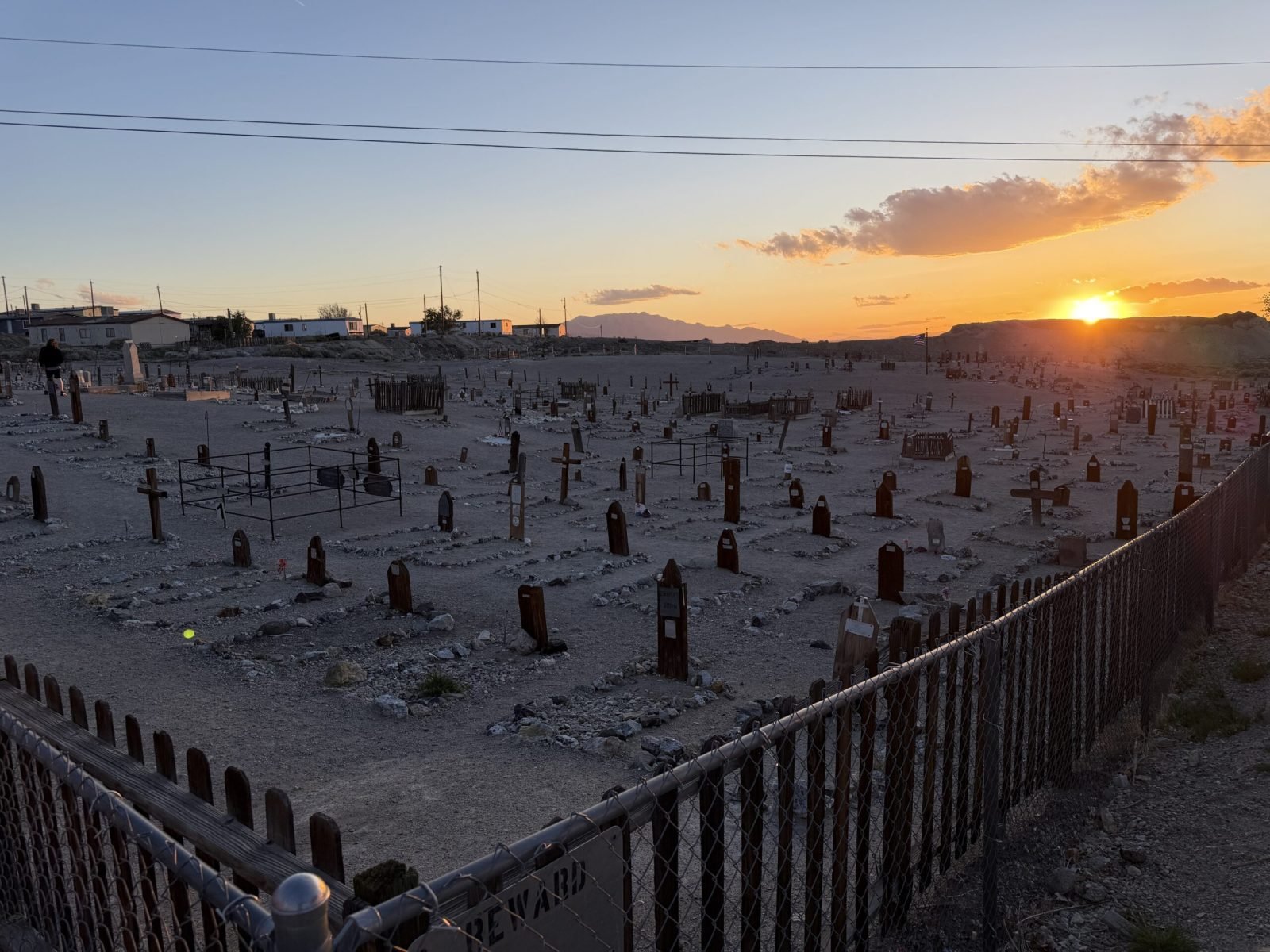
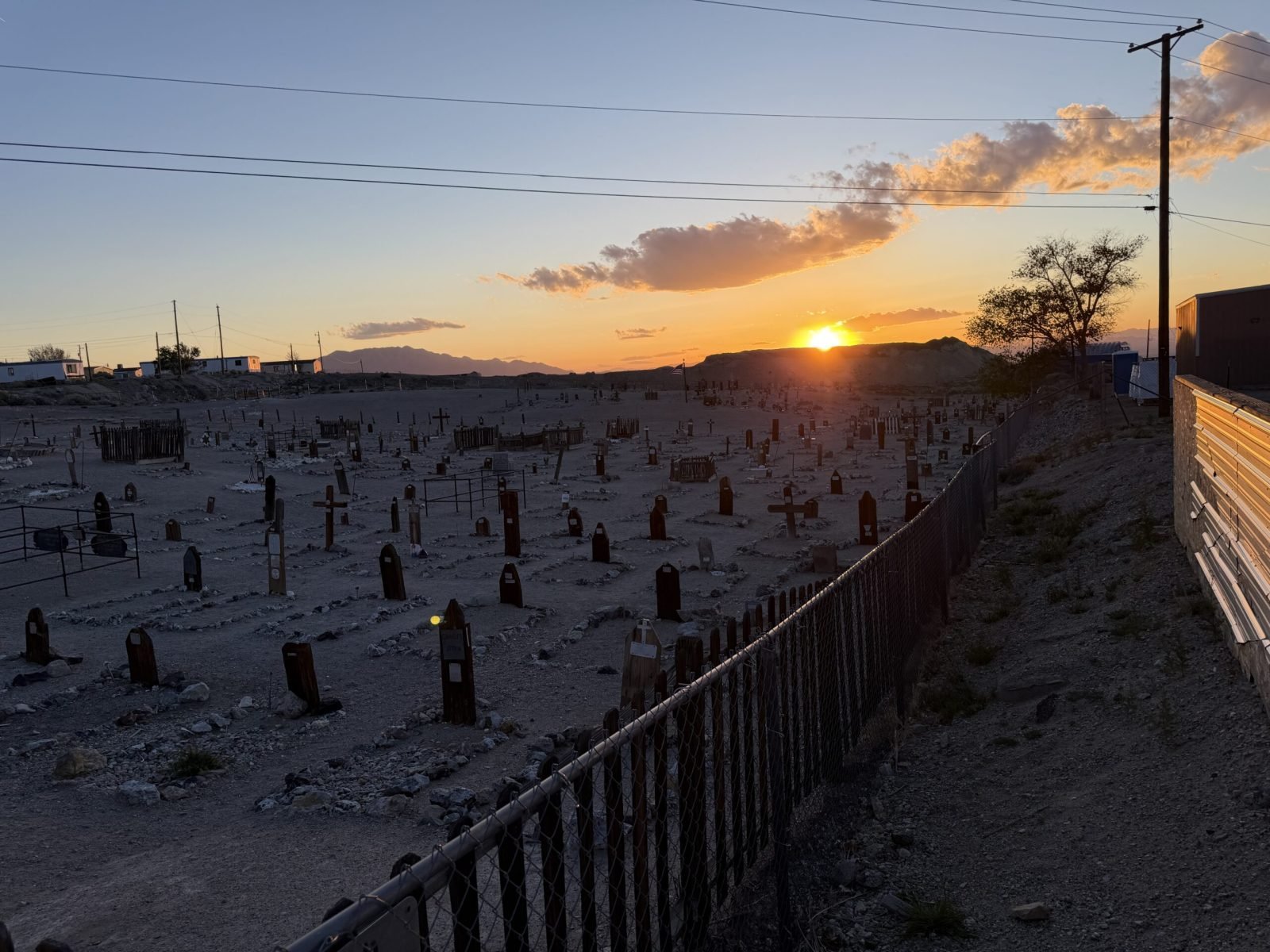
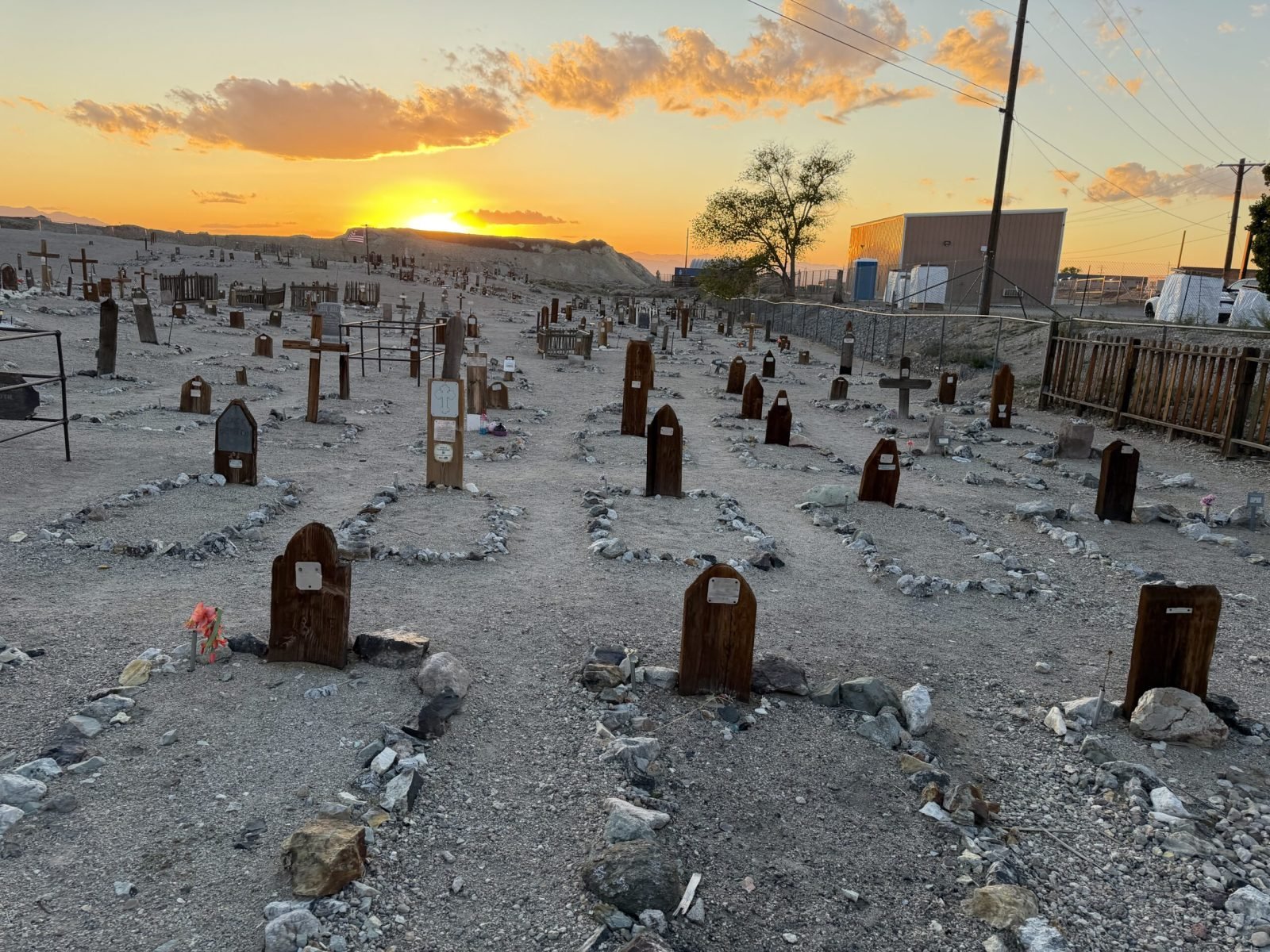
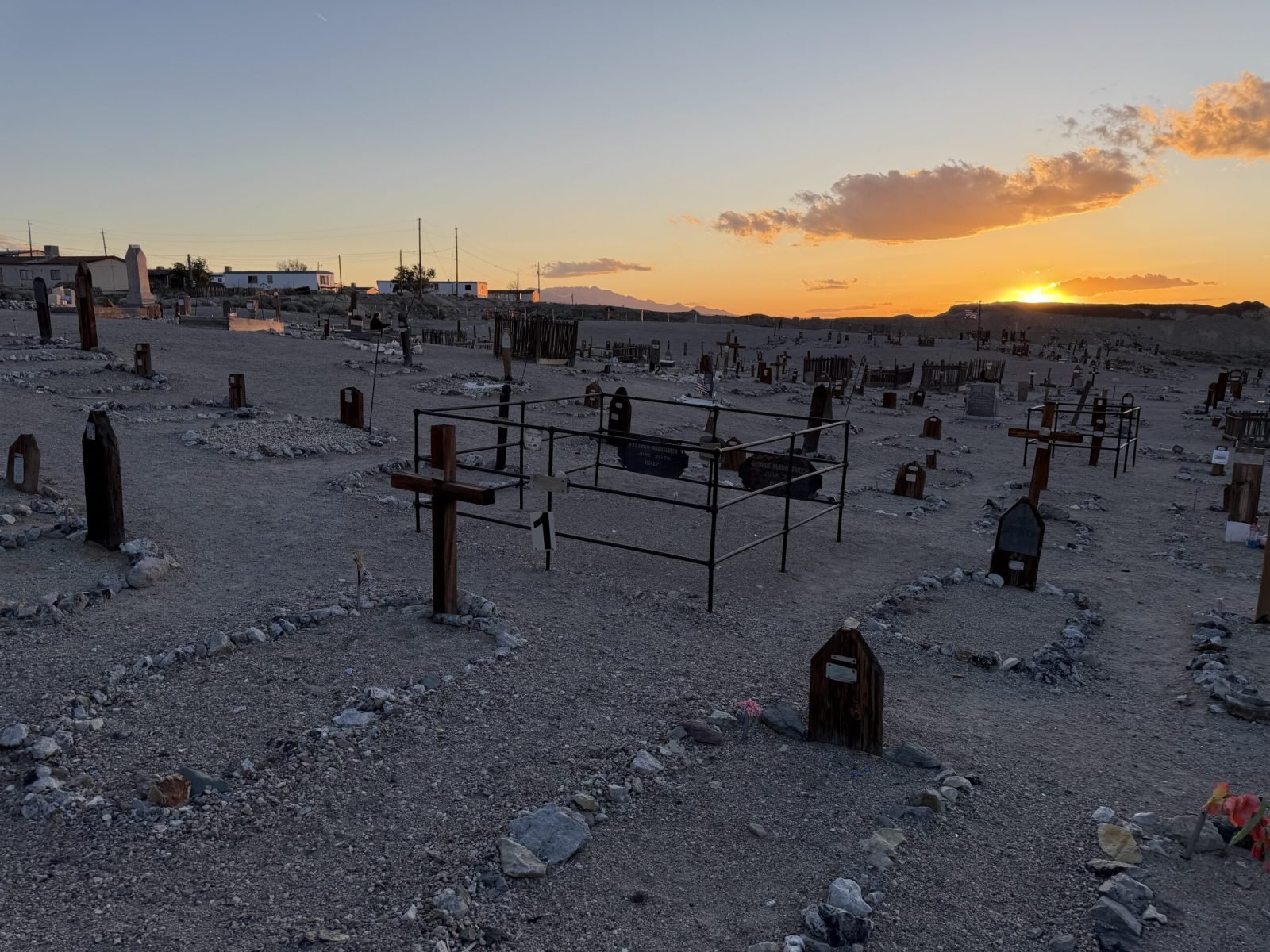
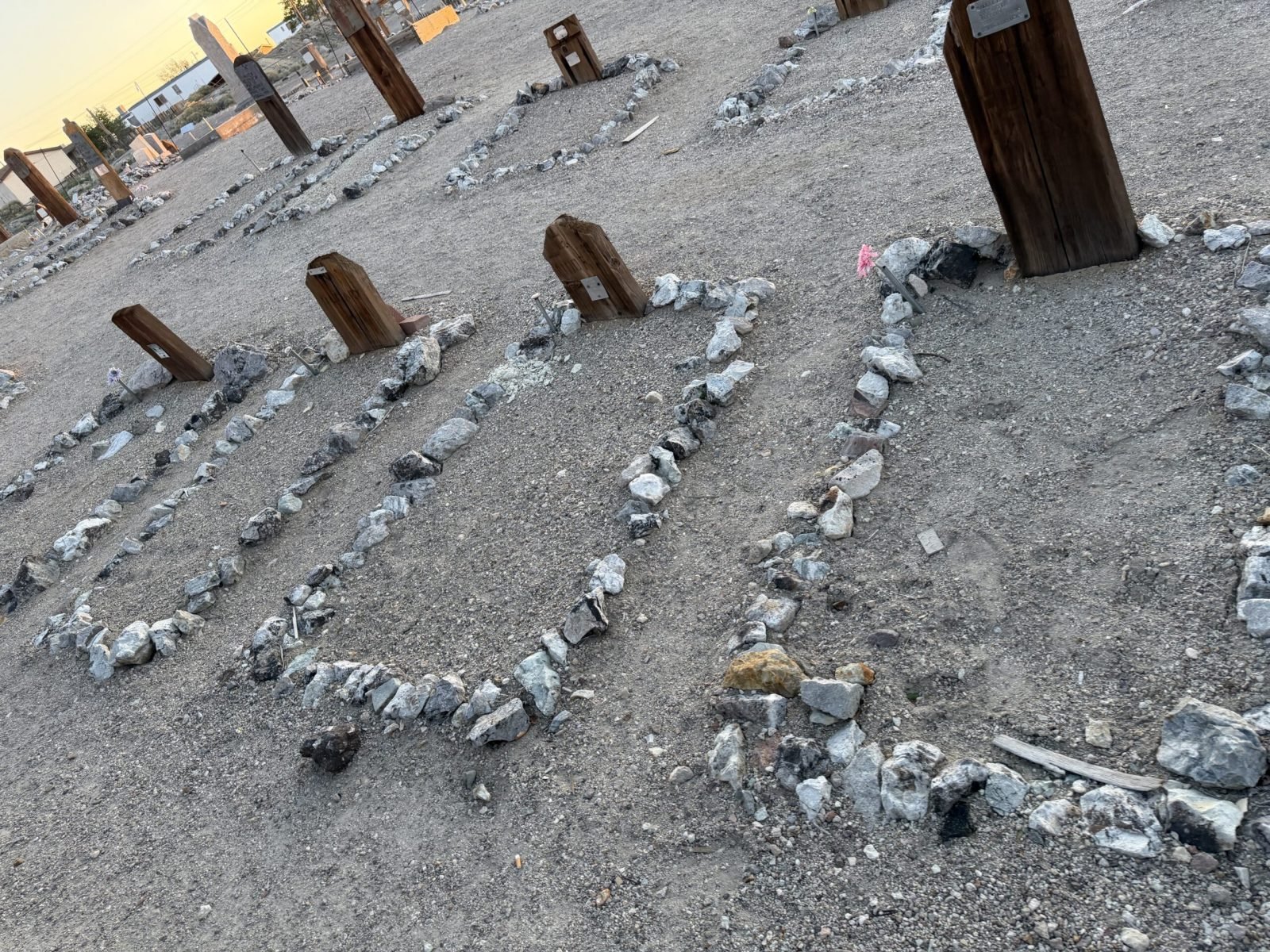
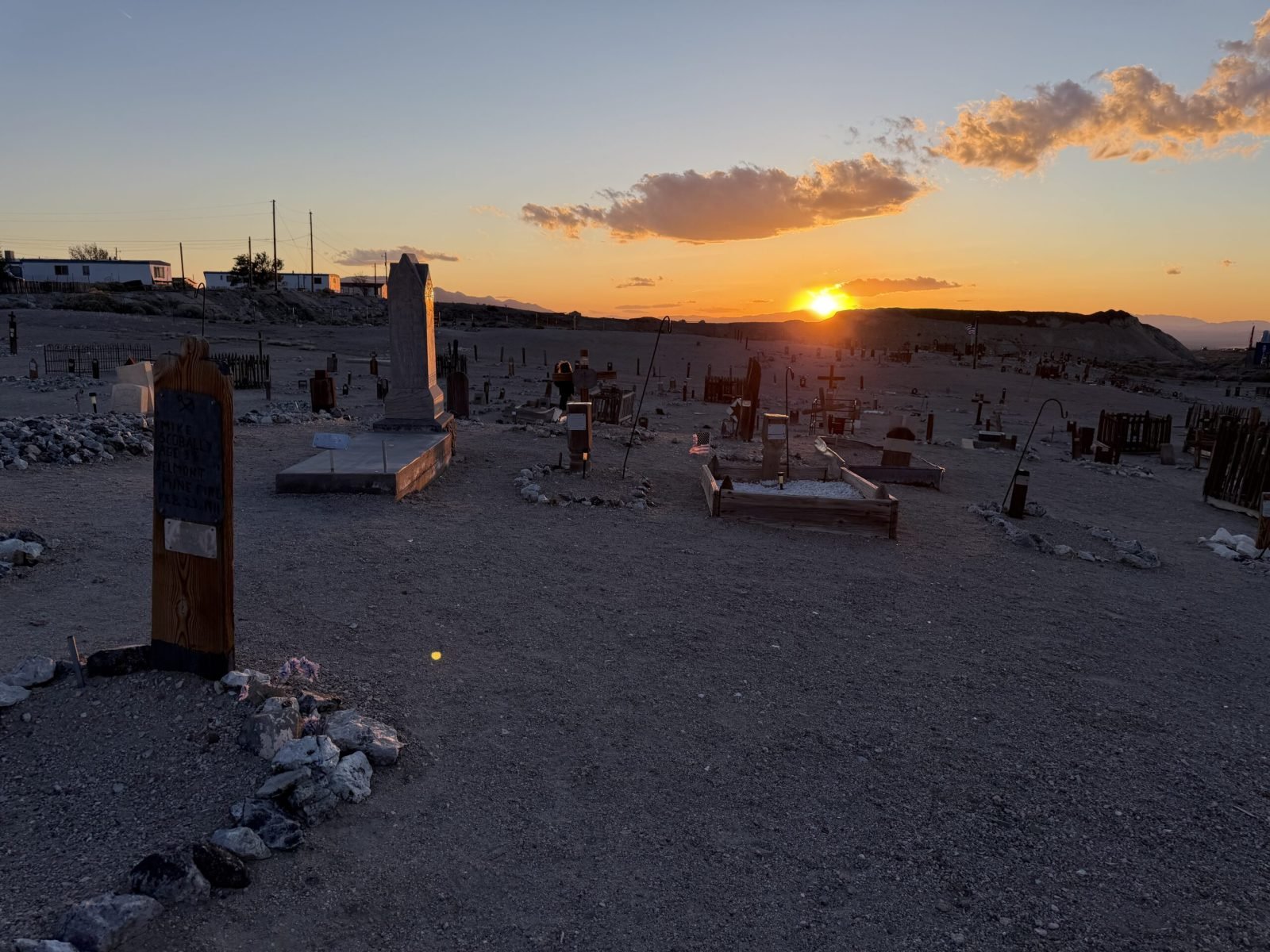
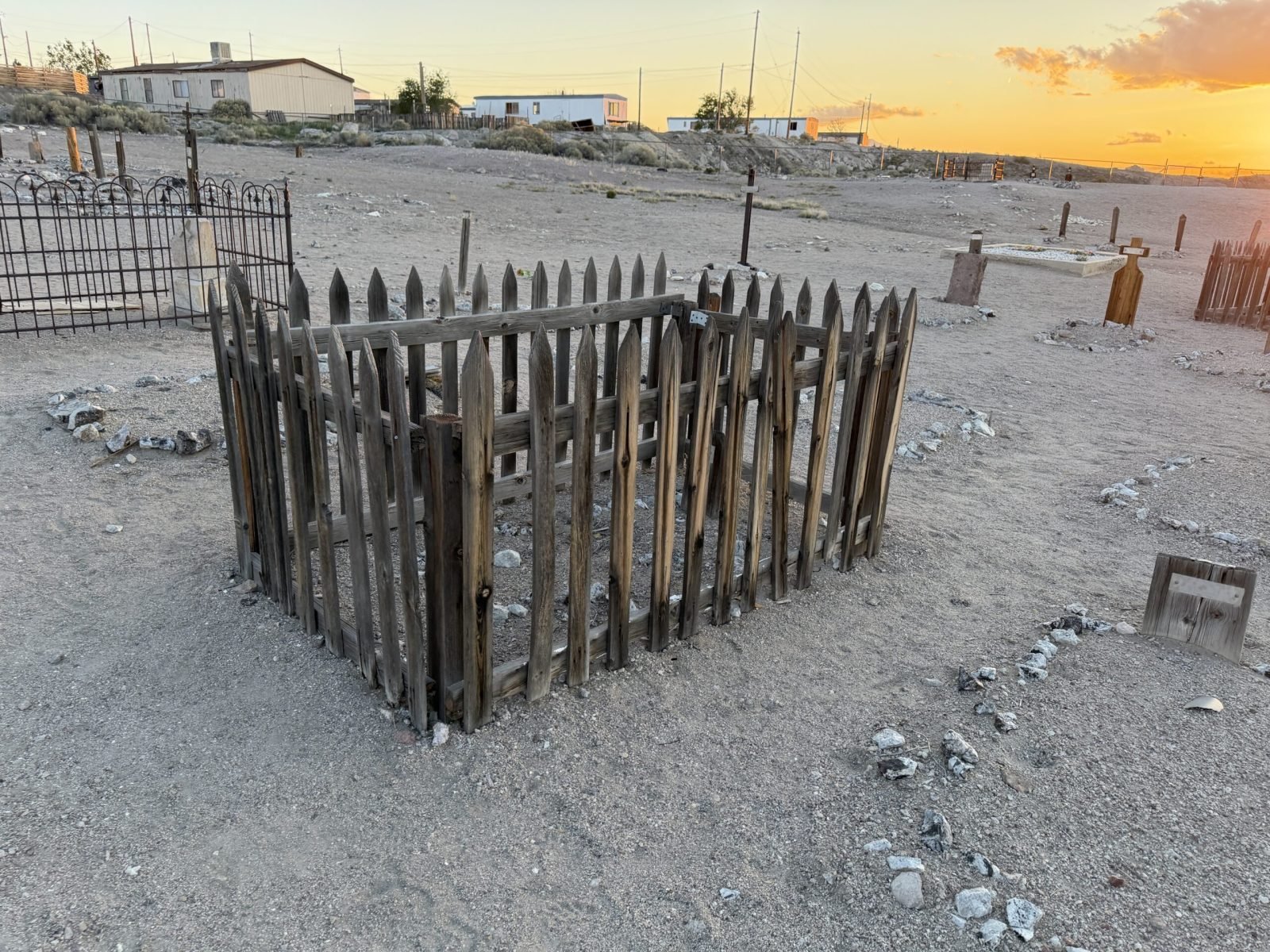
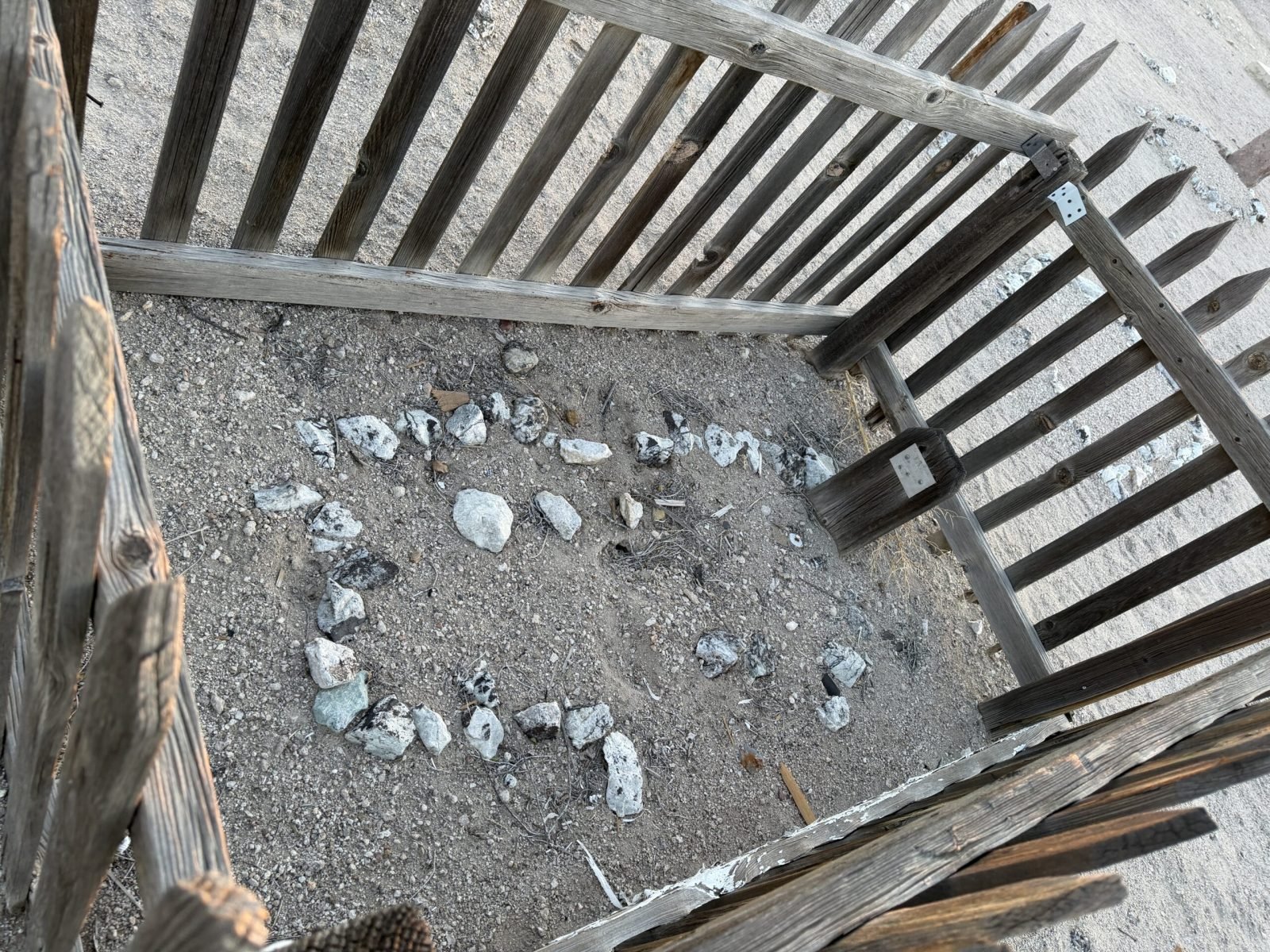
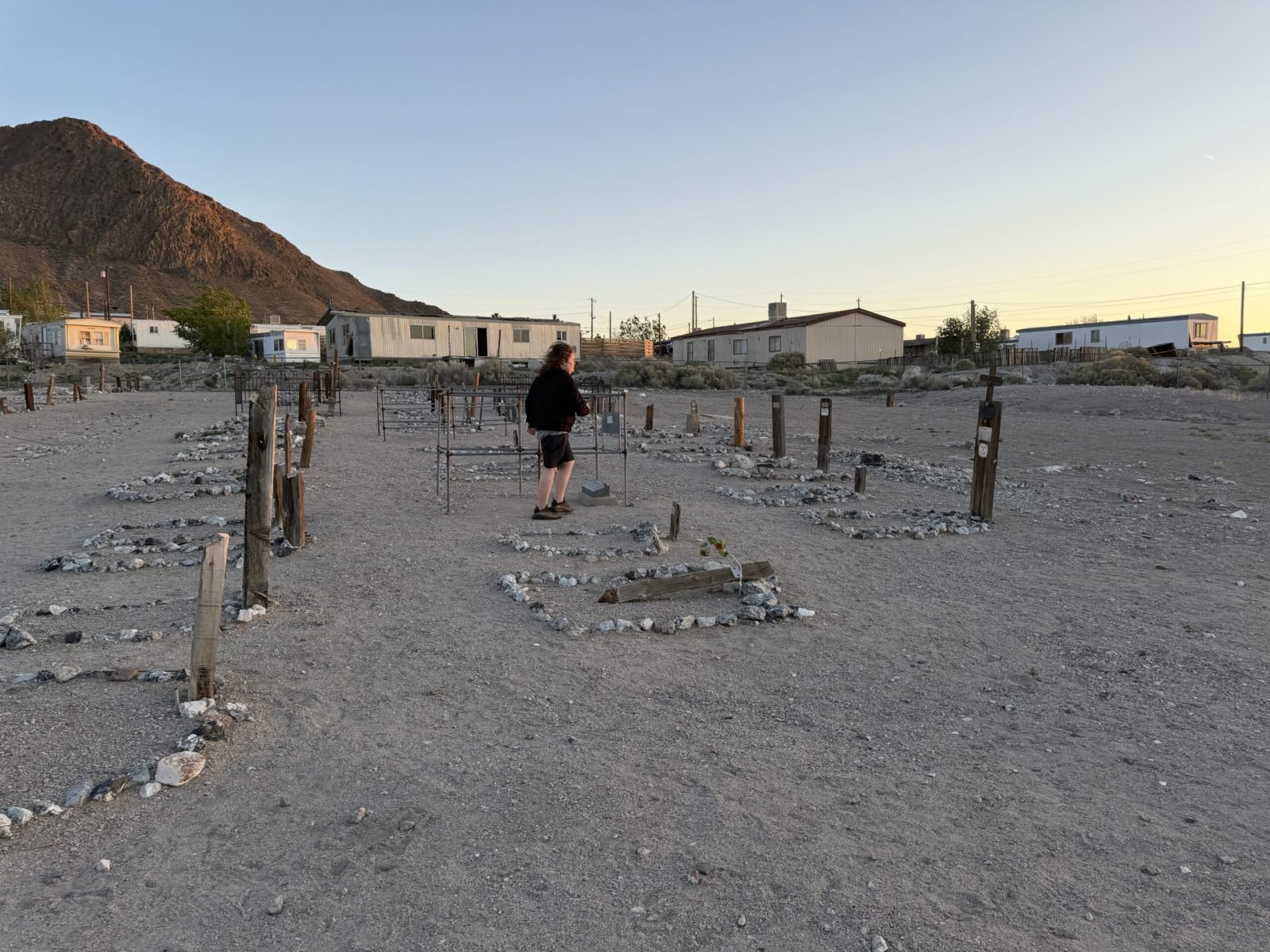
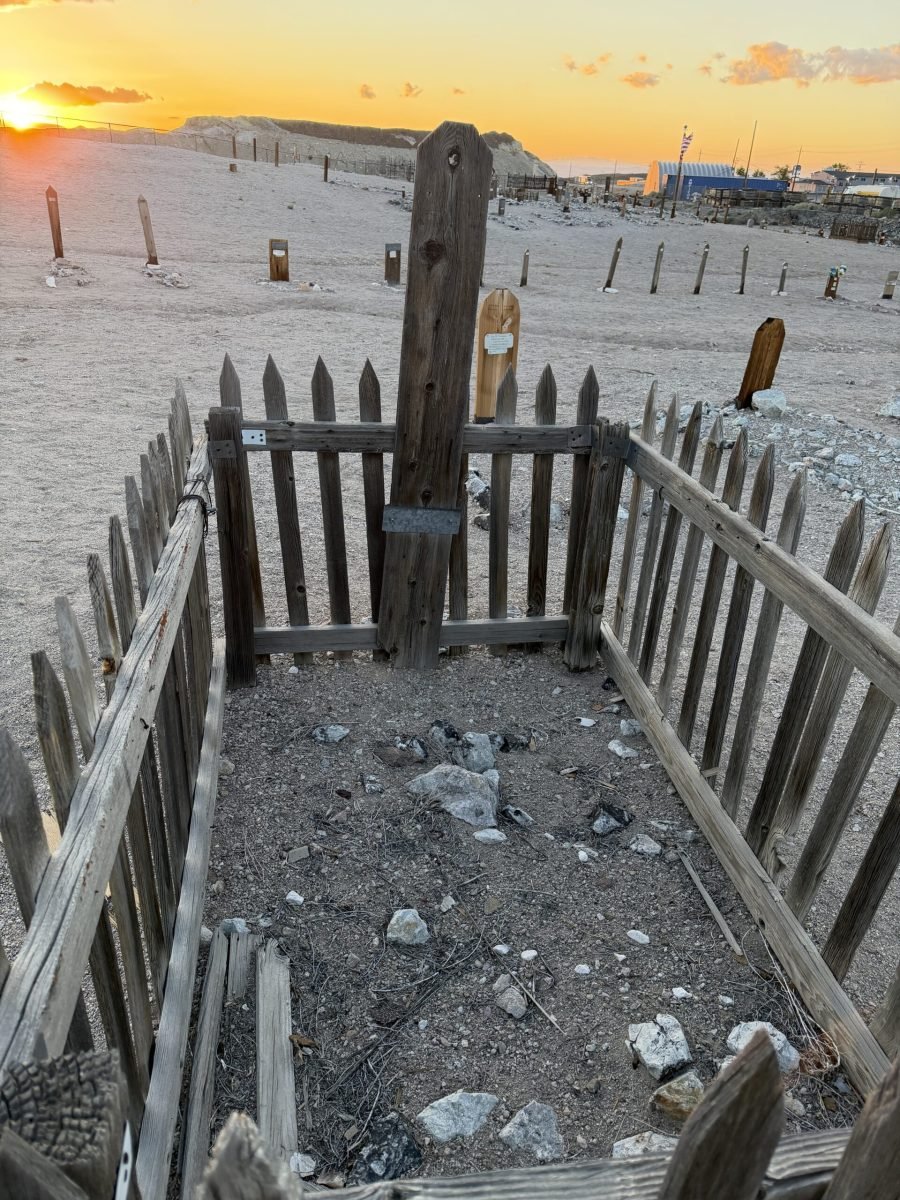
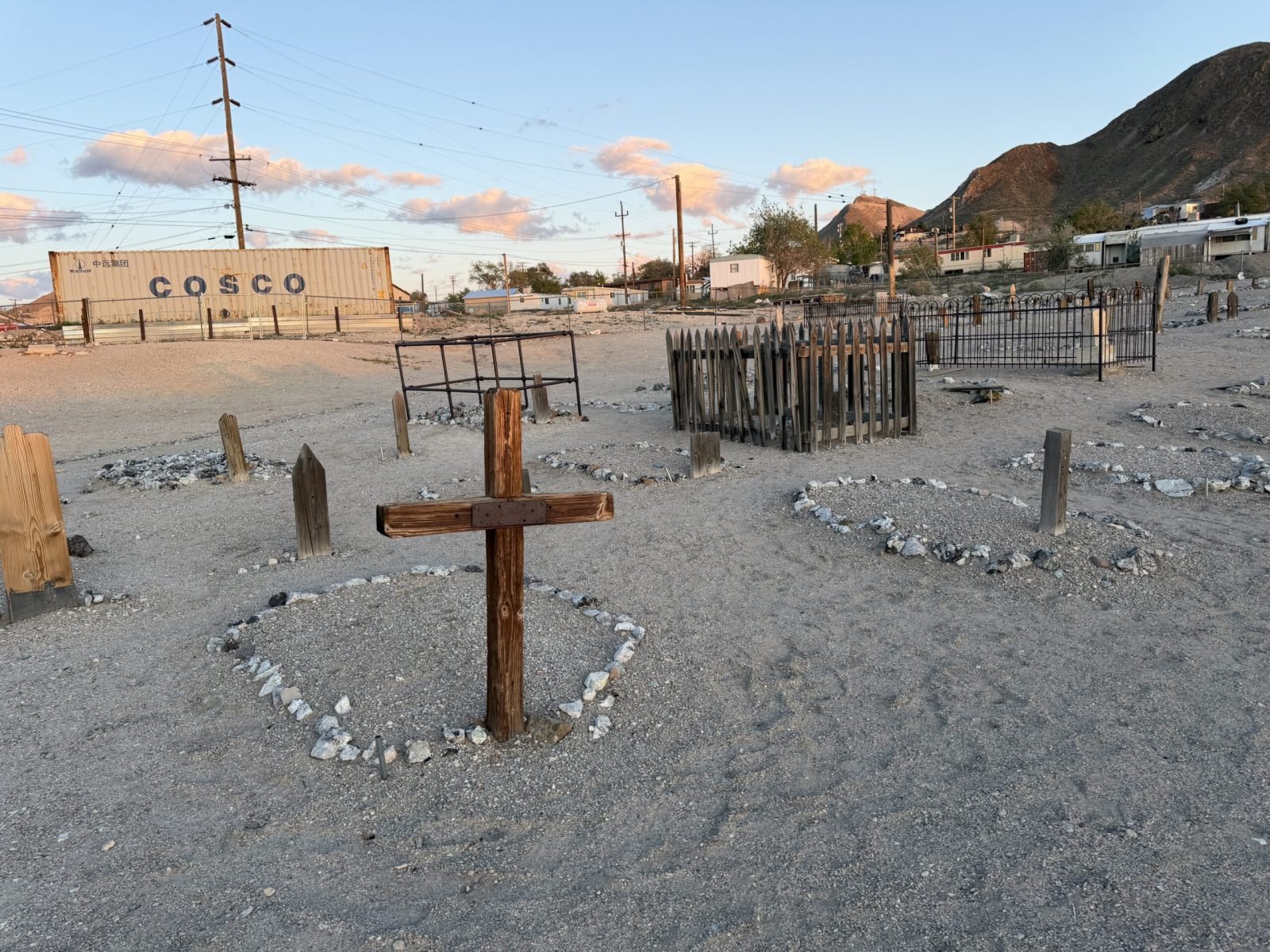
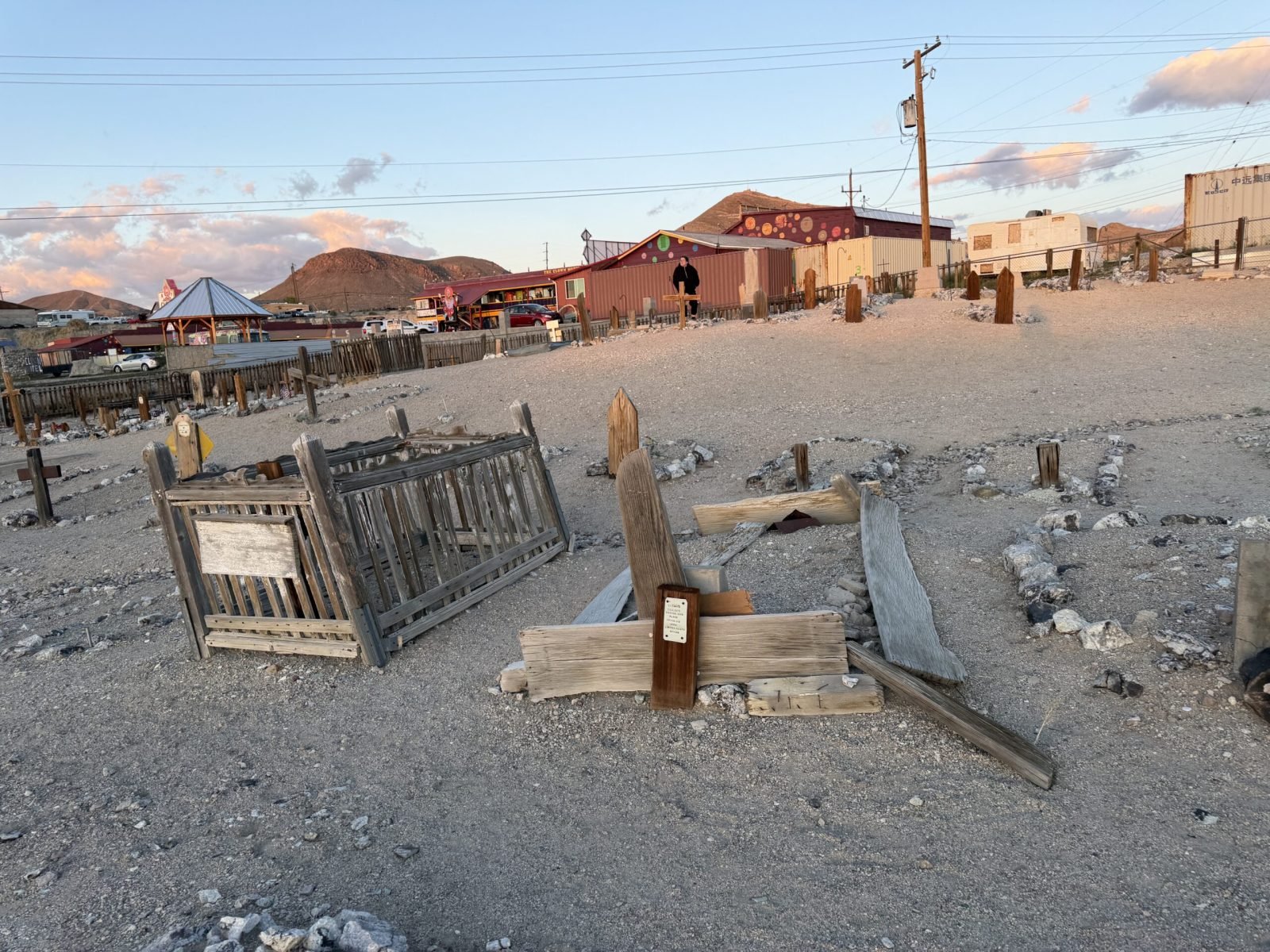
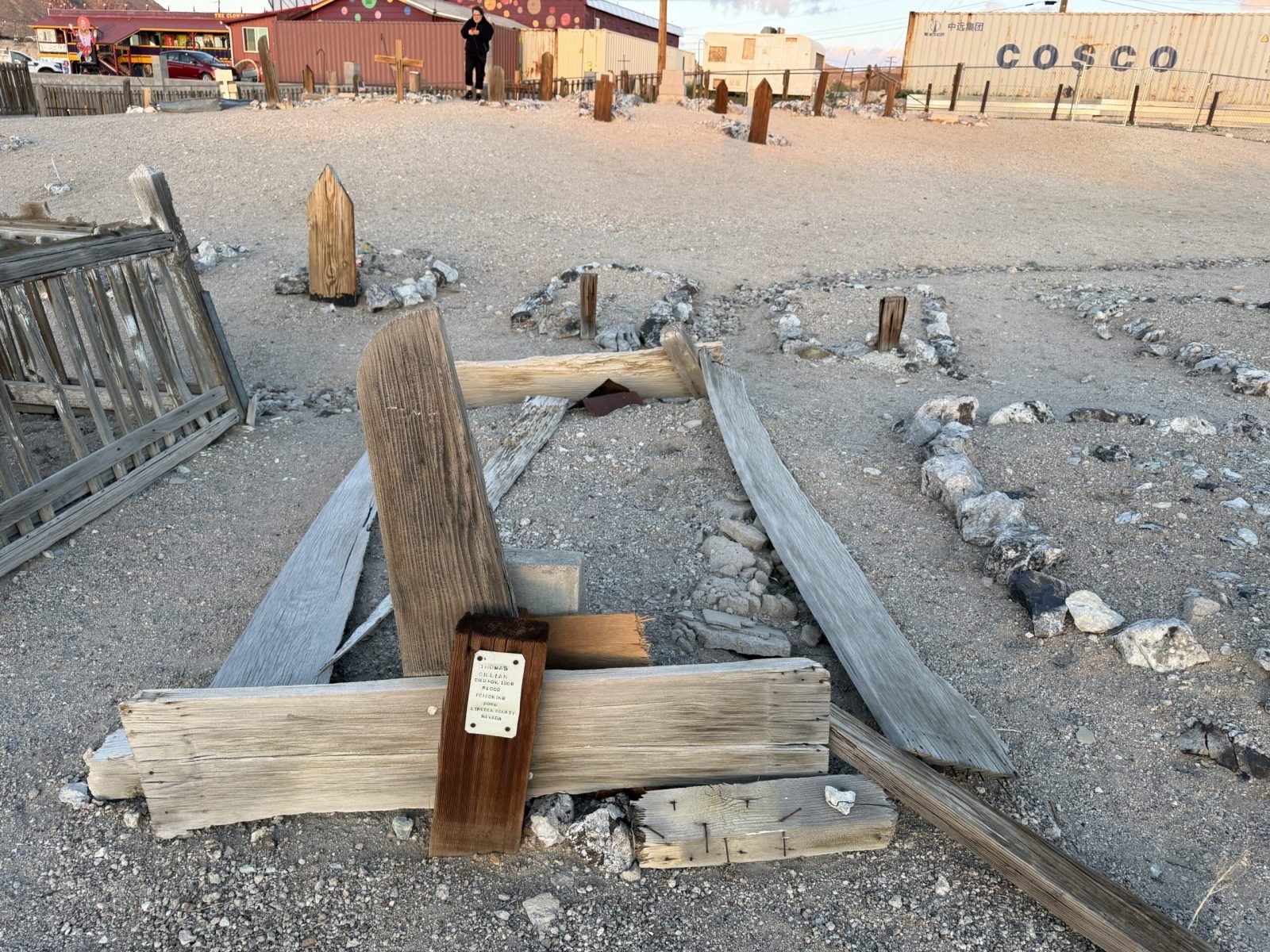
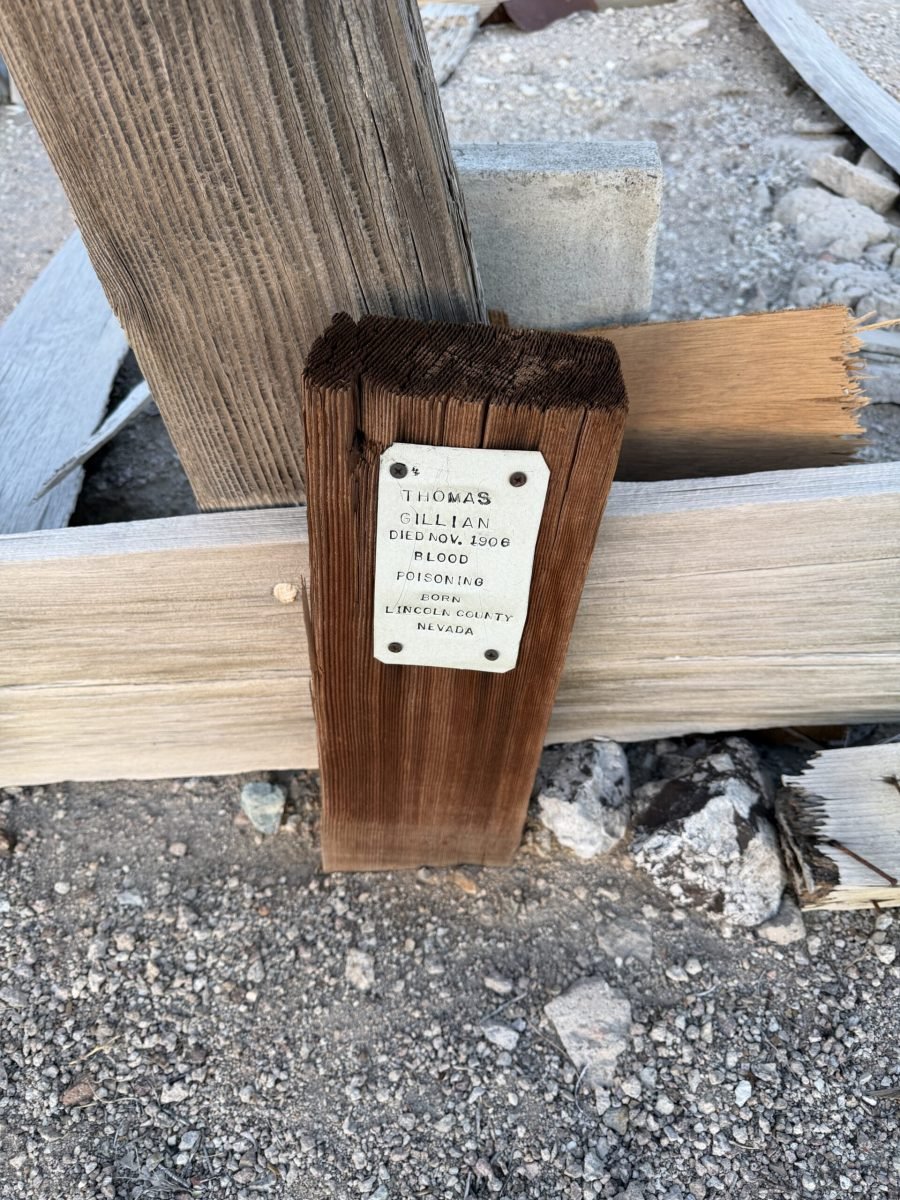
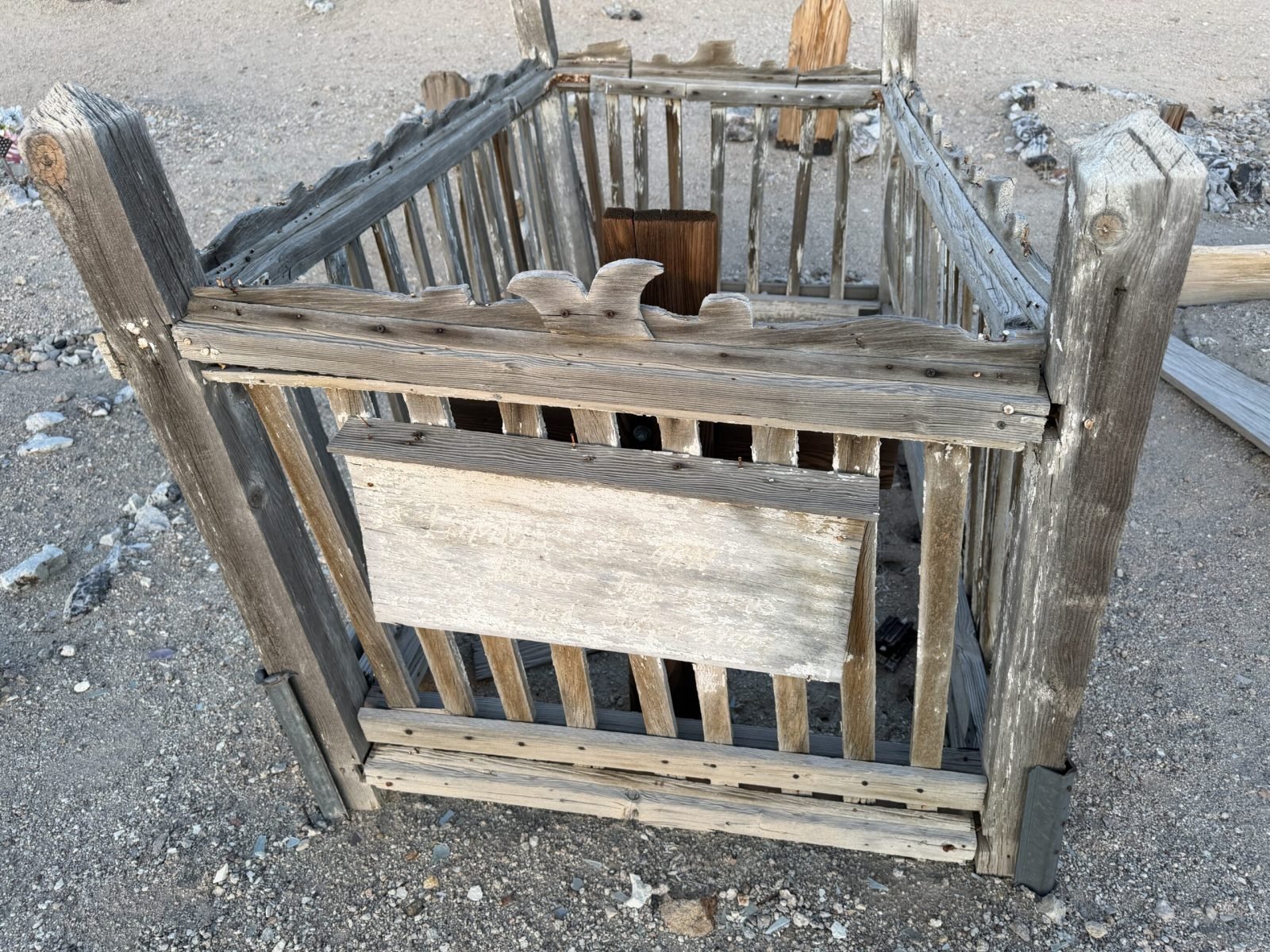
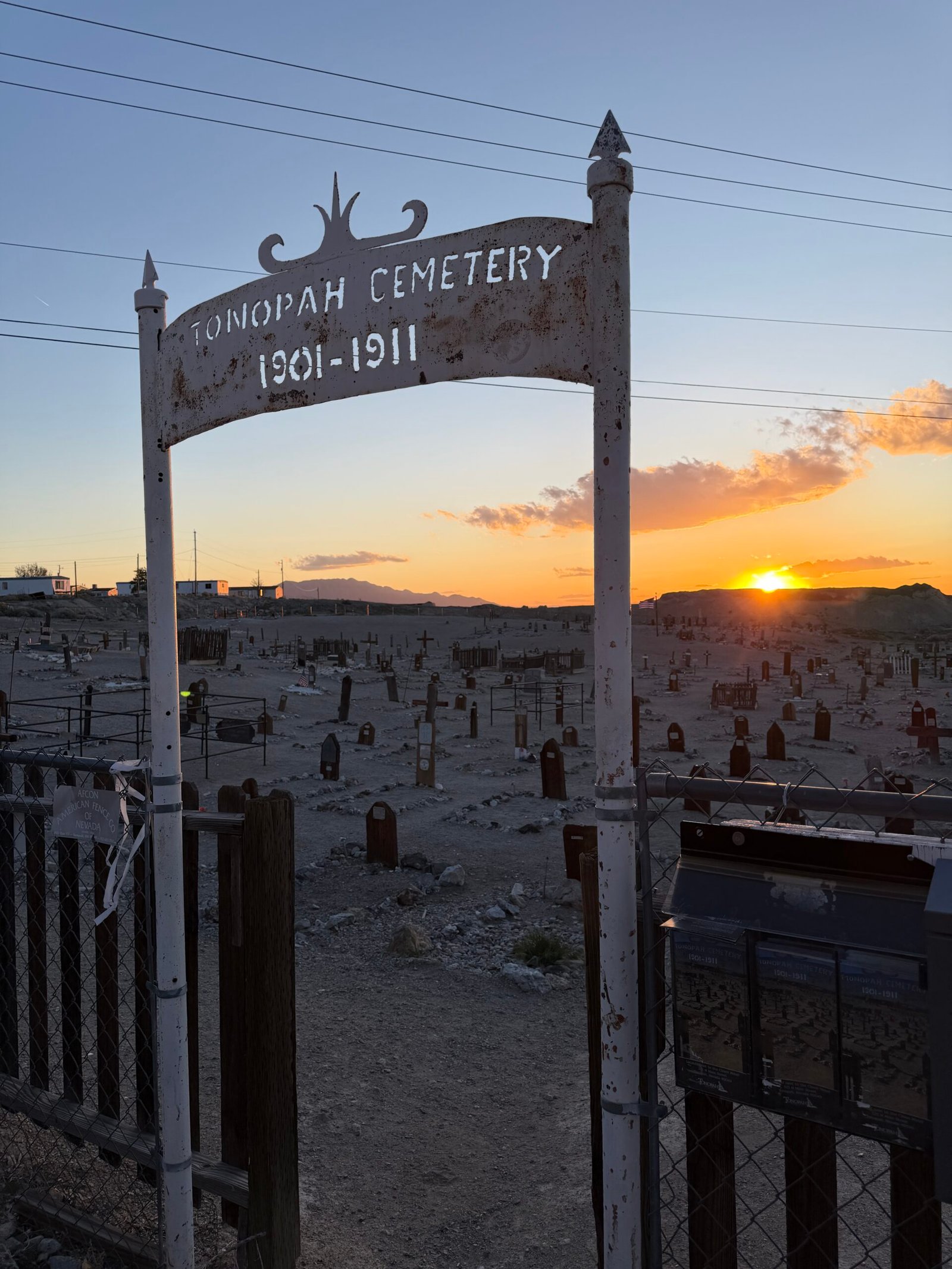
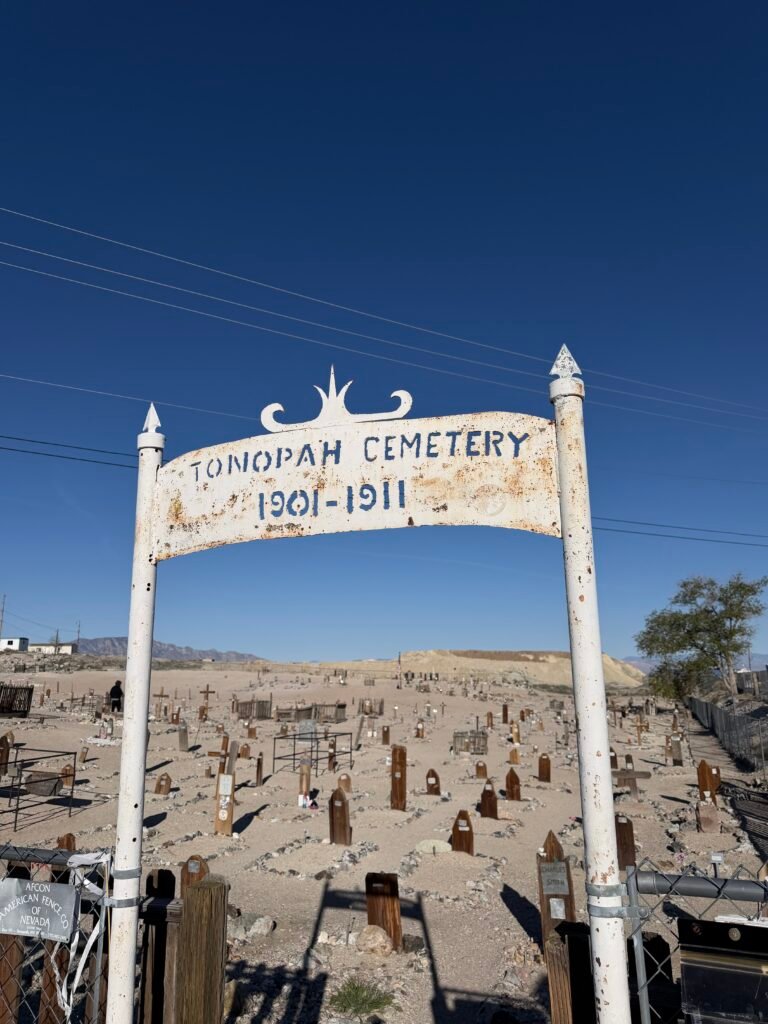
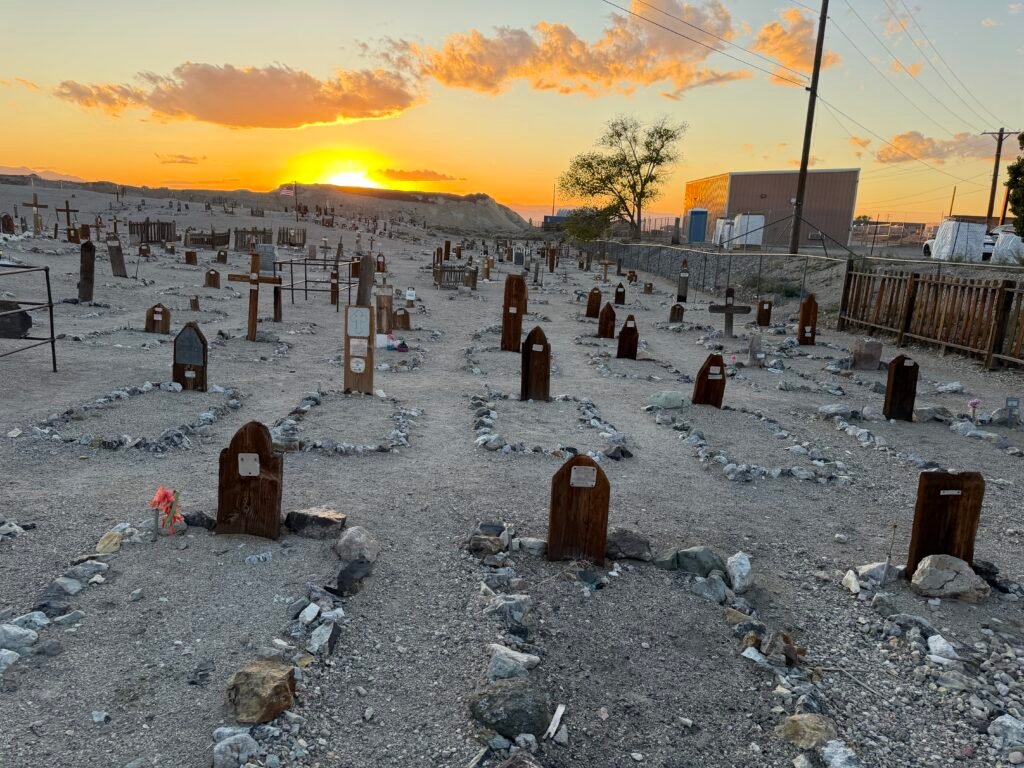
Walk through Old Tonopah Cemetery in Tonopah, Nevada and the first thing you notice is the ground itself. The graves look weather-beaten, a little off-balance, as if the desert has been nudging them for a century and has no plan to stop.
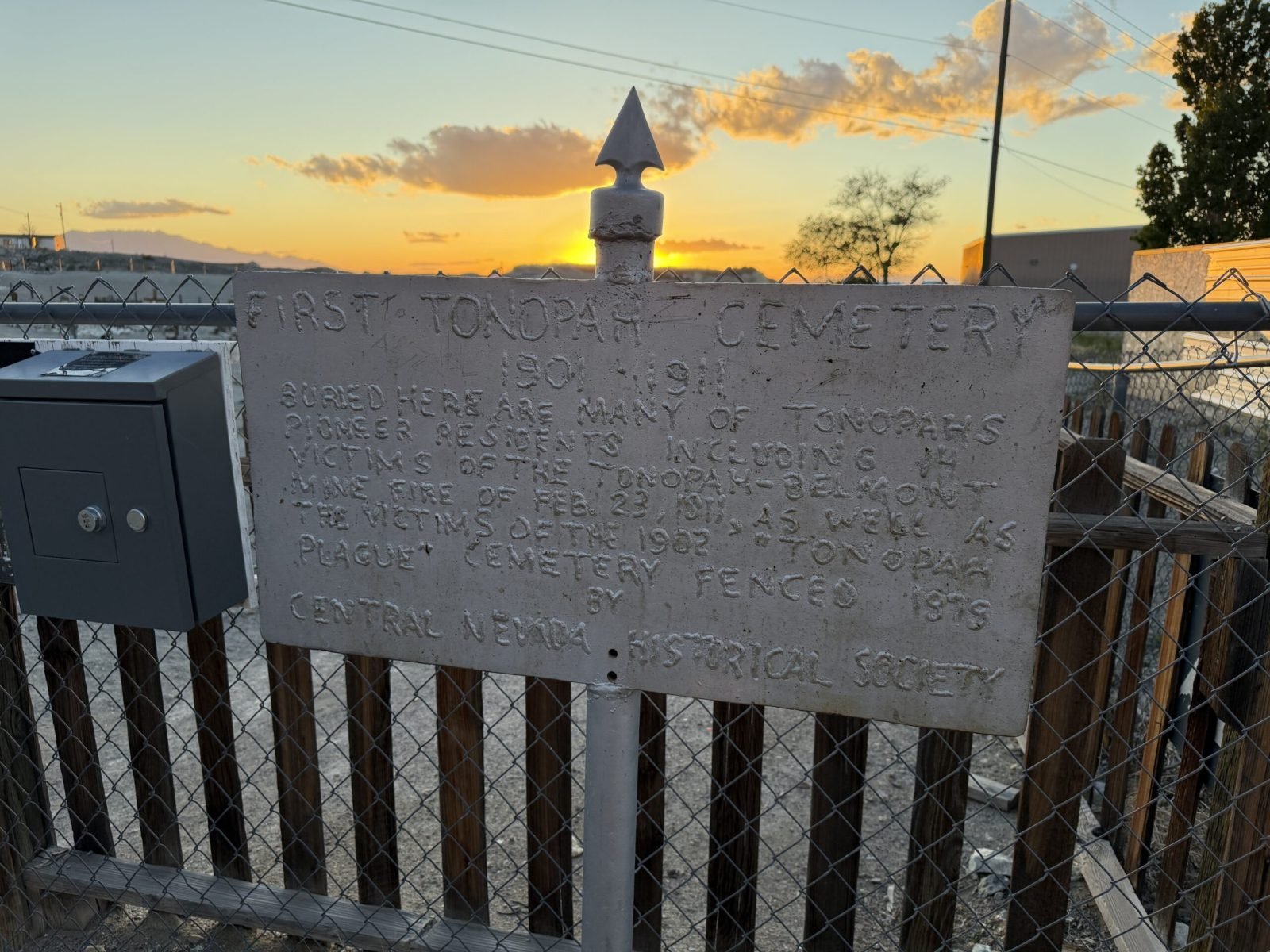
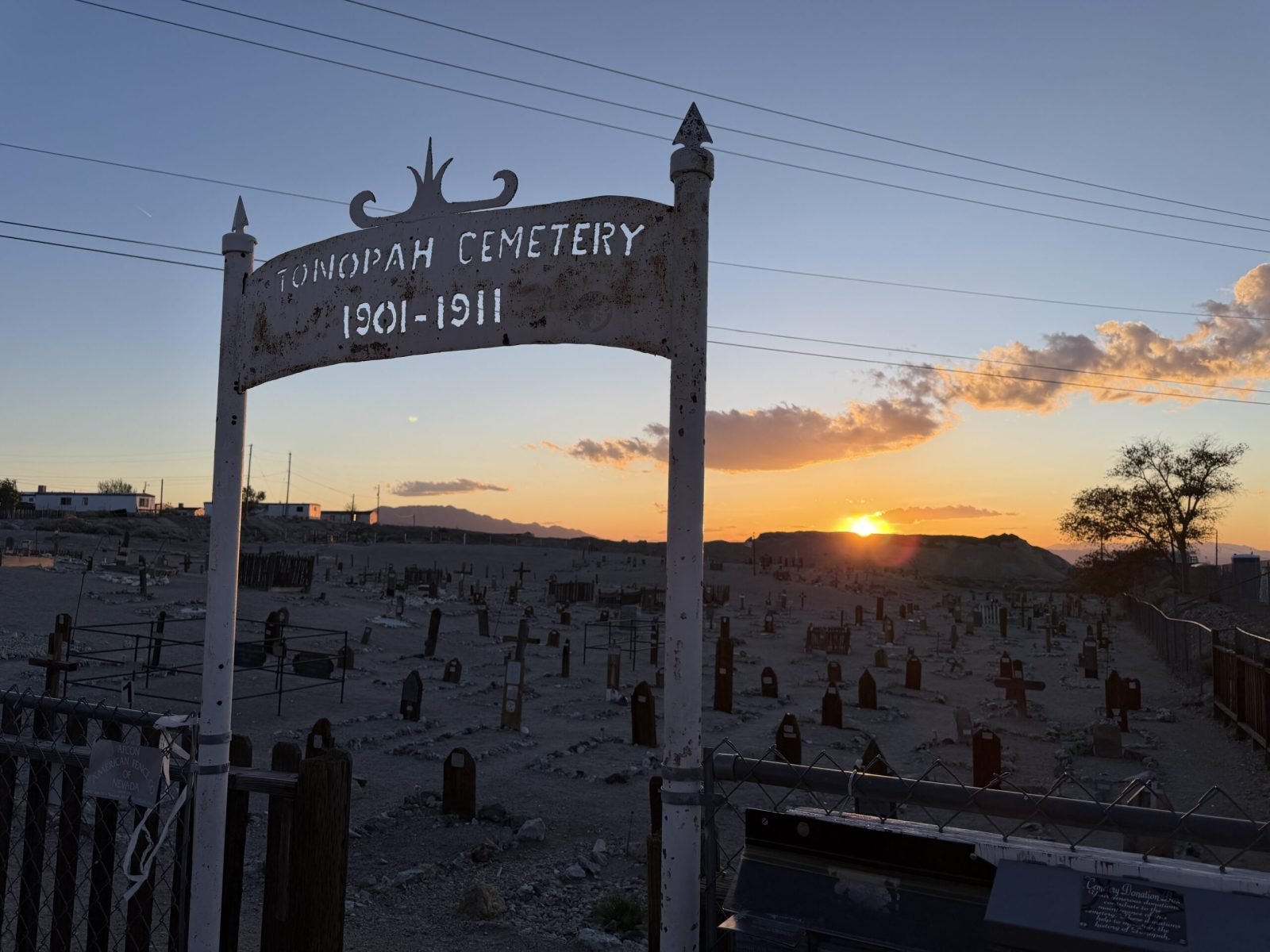
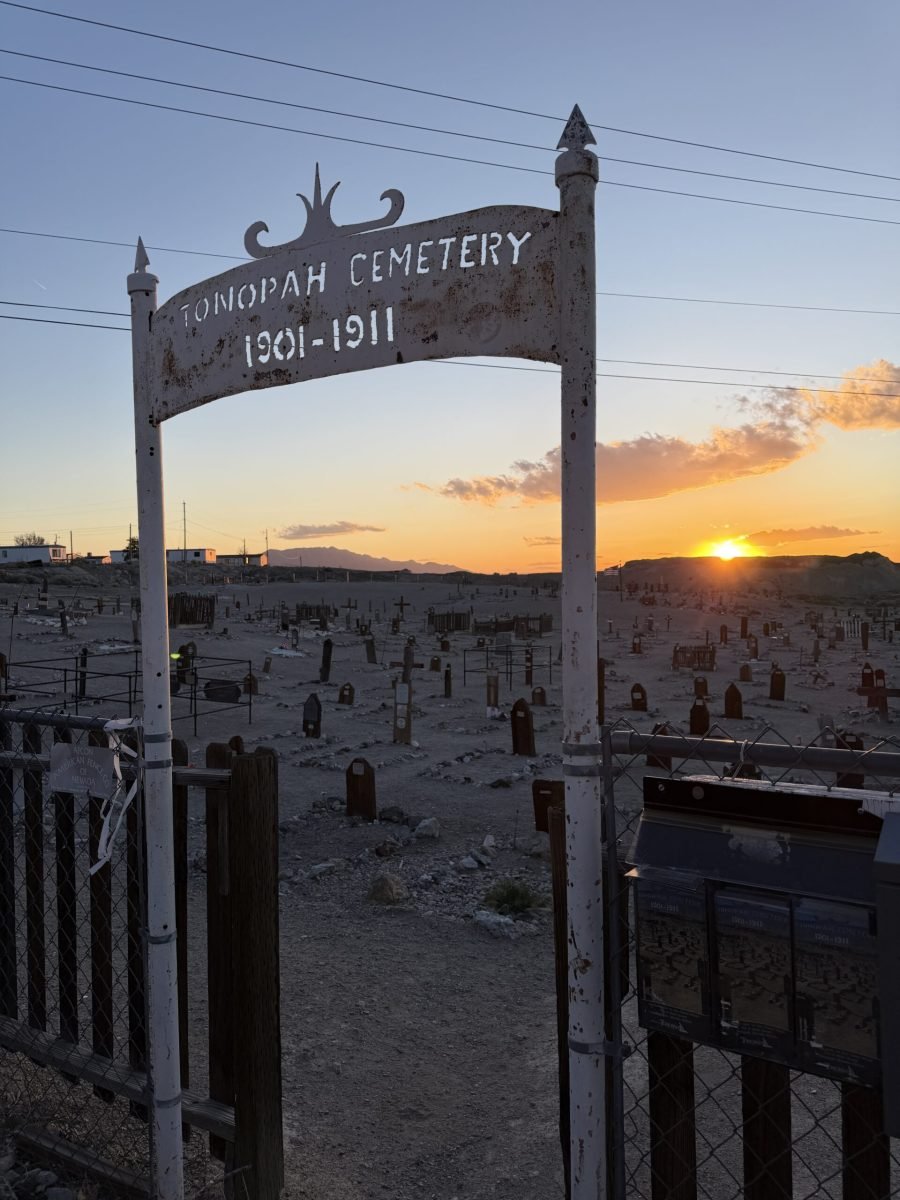
That mood is why this place sticks with people who chase haunted history, ghost lore, and odd corners of the American West. Old Tonopah Cemetery in Tonopah, Nevada, began in 1901, closed in 1911, and gathered its reputation from two things that rarely stay apart for long, real grief and the stories that rise around it.
How a silver boomtown created Old Tonopah Cemetery
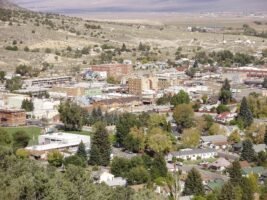
Tonopah grew fast after Jim Butler’s silver strike in 1900. One day it was rough Nevada country, and the next it was a boomtown with miners, merchants, drifters, families, and all the risk that follows quick money. A cemetery became necessary almost at once, because mining camps did not wait for tidy civic planning.
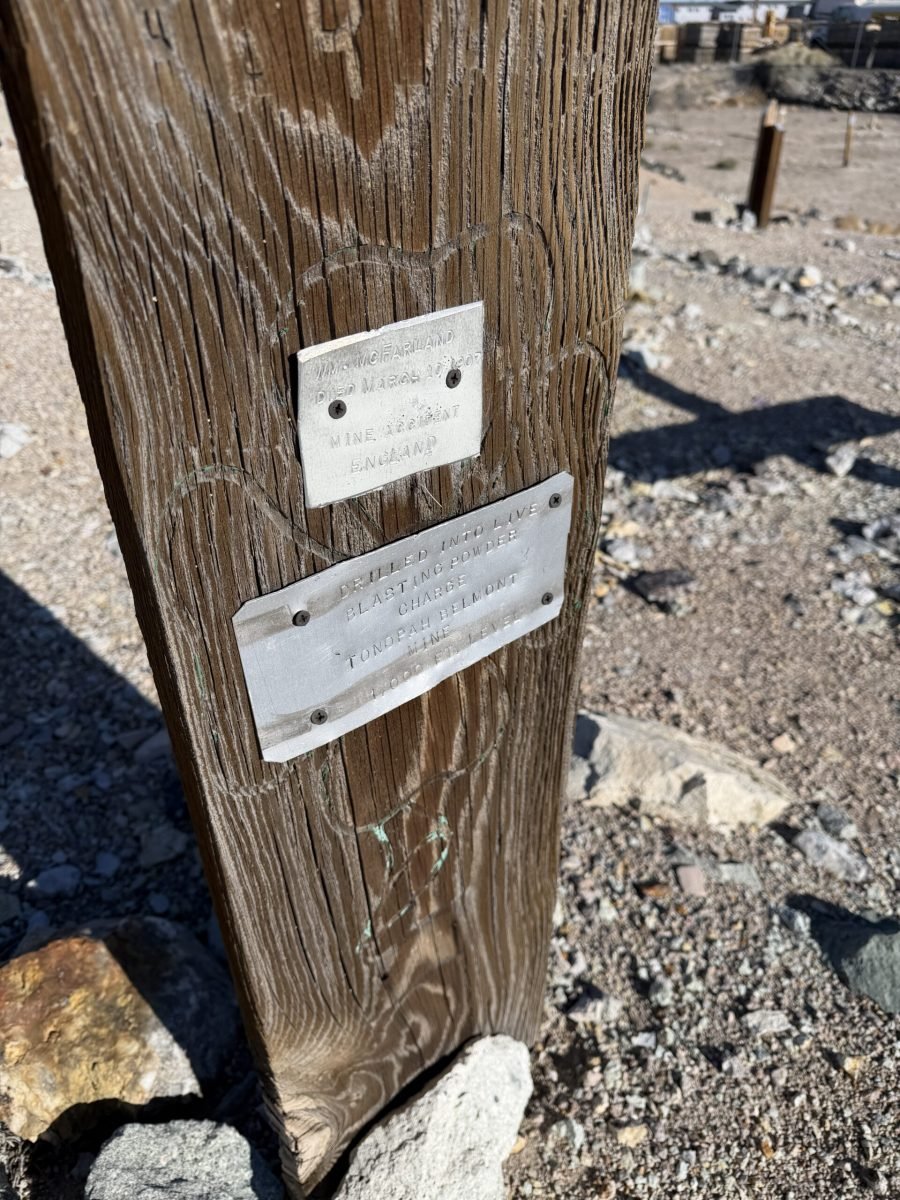
The first burial was John Randel Weeks on May 7, 1901. After that, the graves multiplied in the plain, hard way frontier graves often did. Men died underground. Children and adults died from illness. Some met violent ends in a town that was still making its own rules by trial, error, and gun smoke.
Old Tonopah Cemetery is therefore part of the town’s origin story, not a grim footnote. It grew beside the silver rush because death did, too. If you want a clear snapshot of early Tonopah, the cemetery tells it without polish.
Why the graves ended up on unstable mining tailings
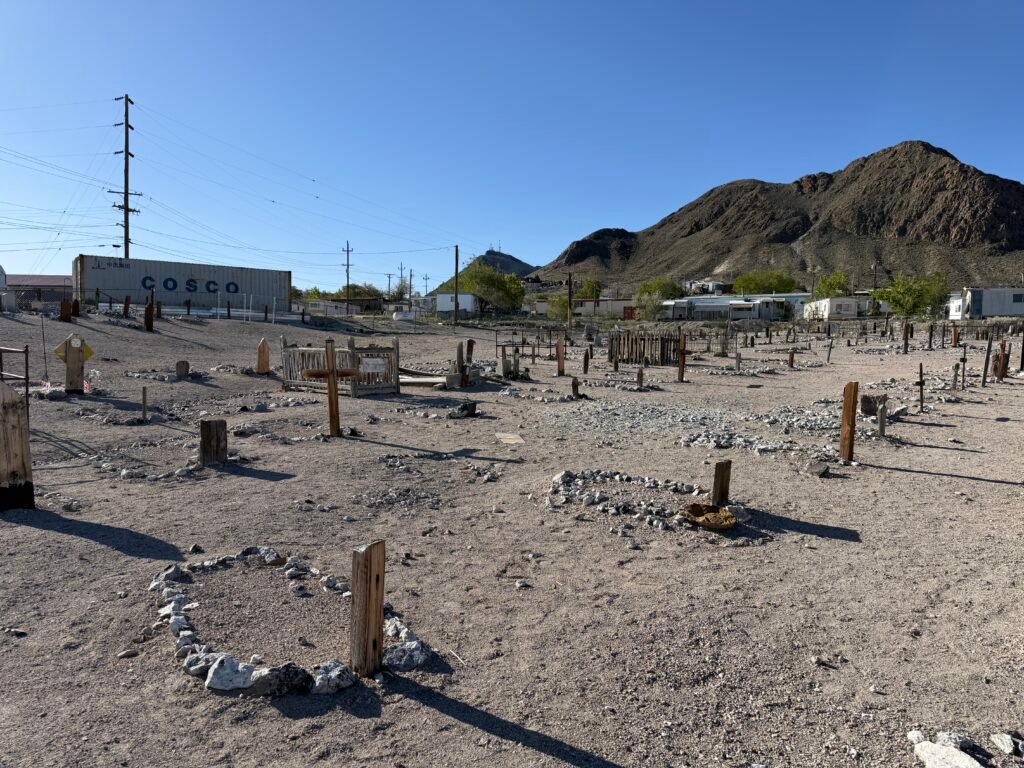
The oddest detail is also the one that explains the place’s uneasy look. The cemetery sat on mine tailings, which are the loose waste piles left from ore processing. That ground shifted, washed out, and settled badly over time.
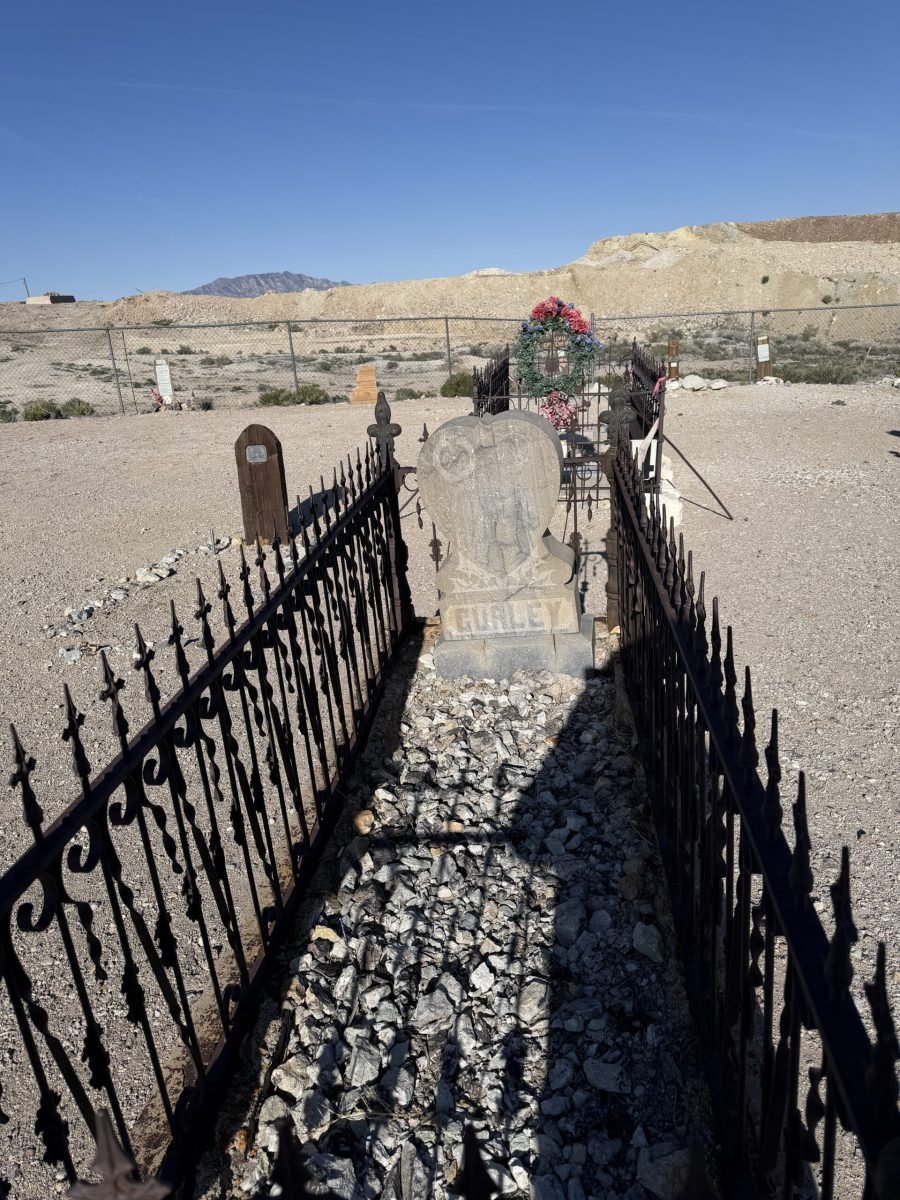
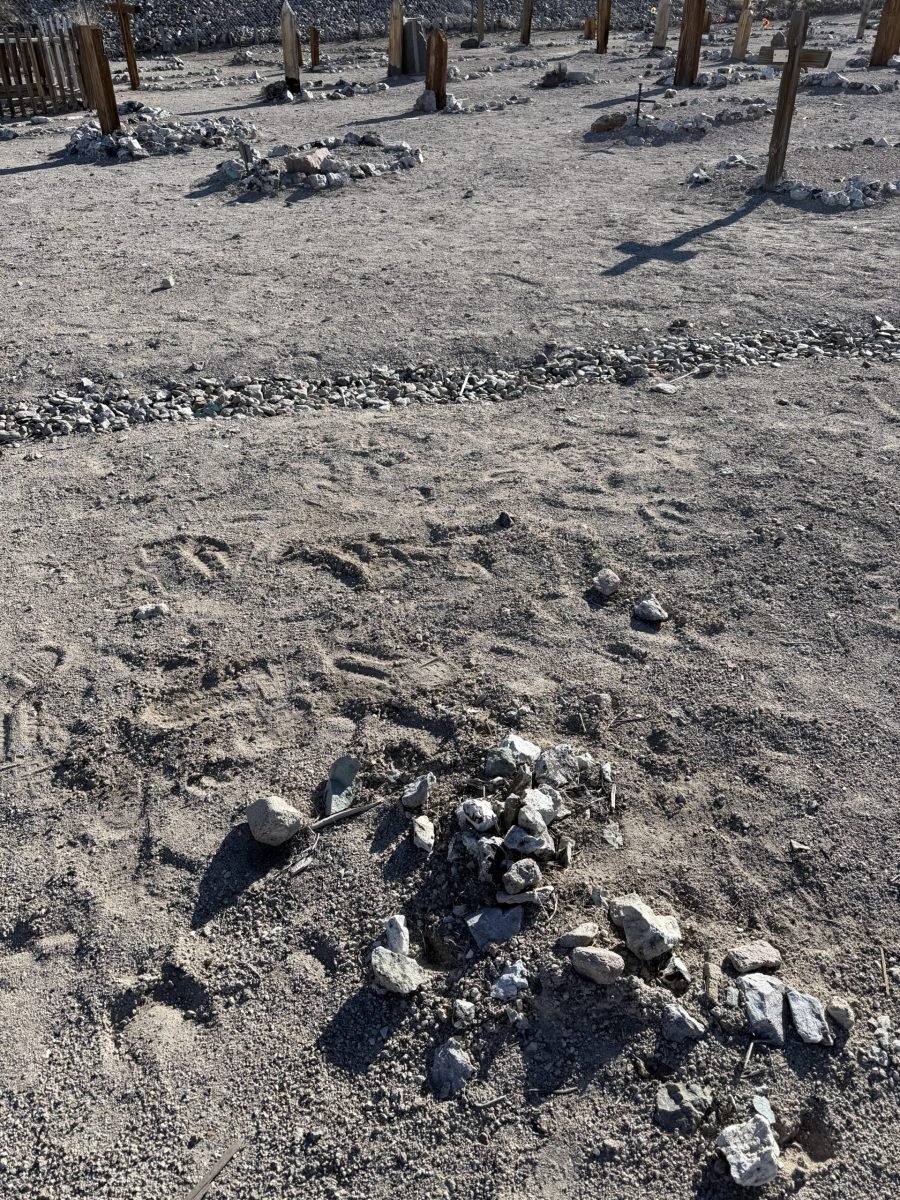
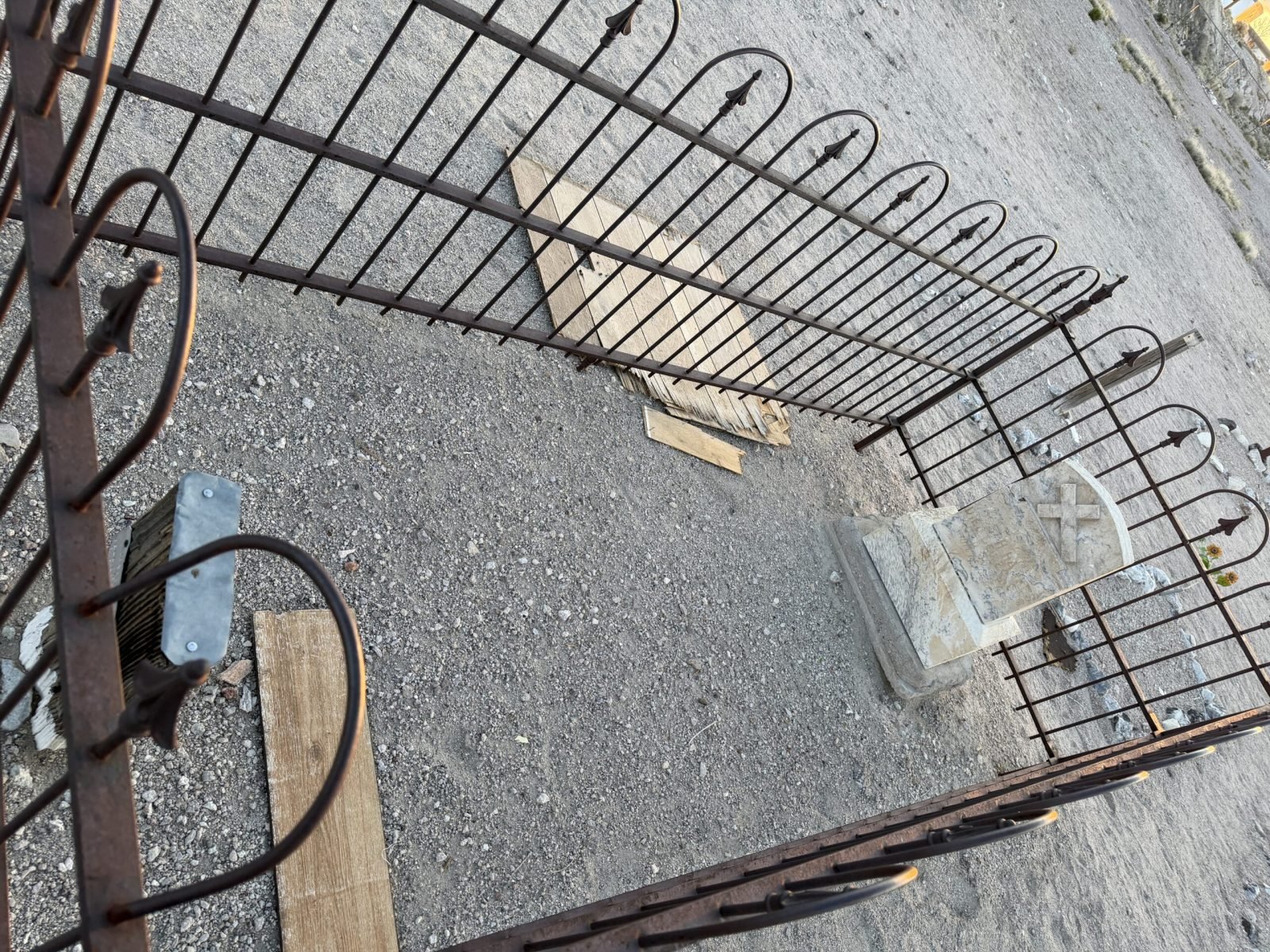
So the cemetery never had a firm foundation. Rain and runoff moved dirt. Tailings drifted over graves and markers. Some headstones tilted, sank, or vanished under debris, which made the whole site feel frail long before ghost stories took hold. A good visual overview appears in this photo-rich cemetery guide from Southwest Explorers.
That unstable base matters because it changes the feel of the place. Plenty of old cemeteries are solemn. This one seems unsettled, almost as if the land itself never agreed to hold still.
Why the cemetery closed after only a decade
Old Tonopah Cemetery stayed in use until April 1911. By then, around 300 people had been buried there, and the town turned to a new cemetery for future burials.
It did not close because it ran out of room. The problem was the tailings. They kept covering, shifting, and damaging graves, so keeping the cemetery intact became harder with every season. That short life, only about a decade, gives the place a strange compression. Tonopah rose fast, suffered fast, and buried its dead on ground that could not protect them.
The deaths and graves that shape the cemetery’s legend
Old Tonopah Cemetery feels haunted because so many of its stories begin with sudden loss. That sounds dramatic, but the record is dramatic enough on its own. Mining towns often wore danger like a second coat of dust, and Tonopah wore it openly.
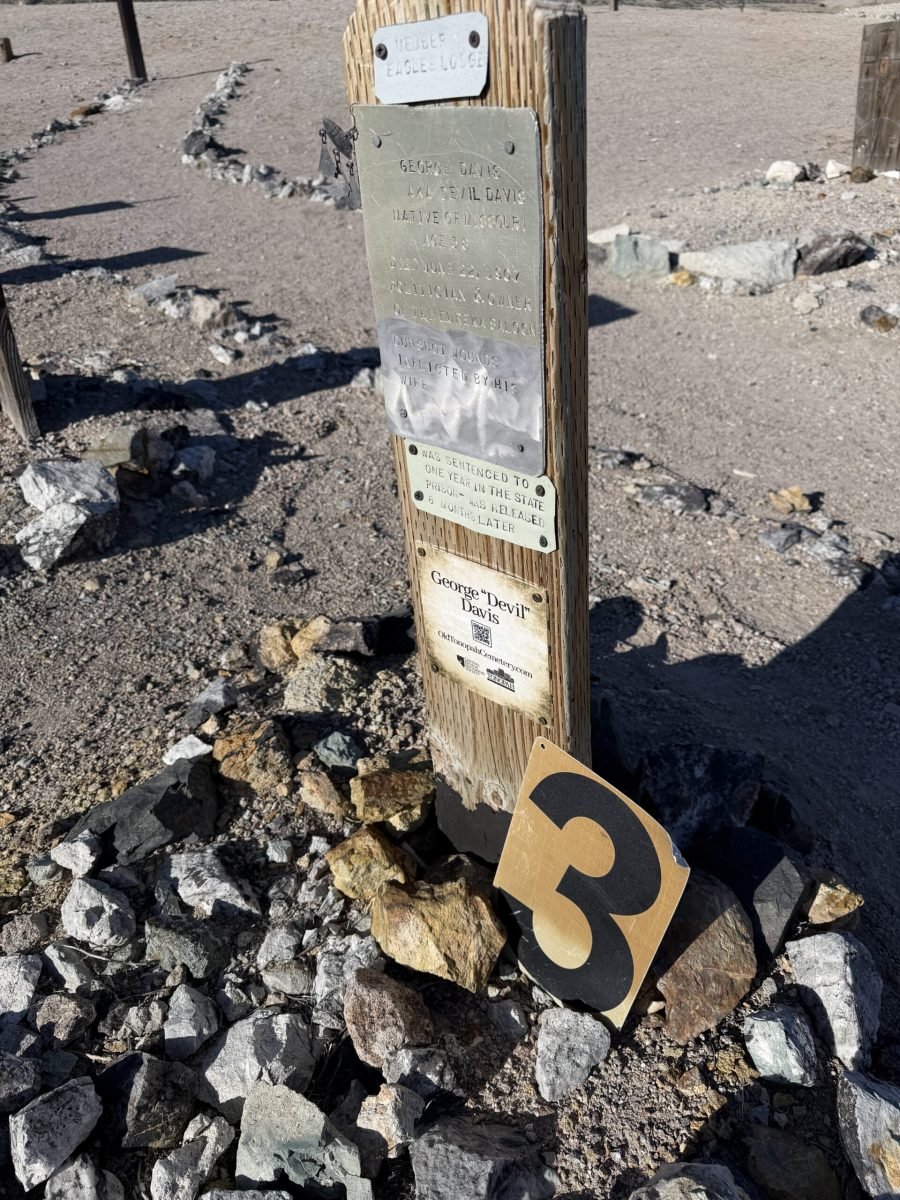
Many visitors come for the eerie mood, yet the deeper pull is human. These are not vague legends pinned to anonymous stones. Many graves connect to named people, known disasters, and short, hard lives.
Big Bill Murphy, the Belmont Mine Fire, and other hard mining stories
One of the best-known names is Big Bill Murphy, a 28-year-old miner remembered for trying to save others during the Belmont Mine Fire of 1911. The fire killed 17 miners, and 14 of them are buried in Old Tonopah Cemetery. That single event stamped itself onto the town’s memory and, by extension, onto the cemetery’s mood.
When people speak of spirits near the miners’ graves, they are usually circling back to that disaster. The facts alone carry enough weight. Men were trapped, rescue efforts failed, and the dead returned to the surface only to be carried here.
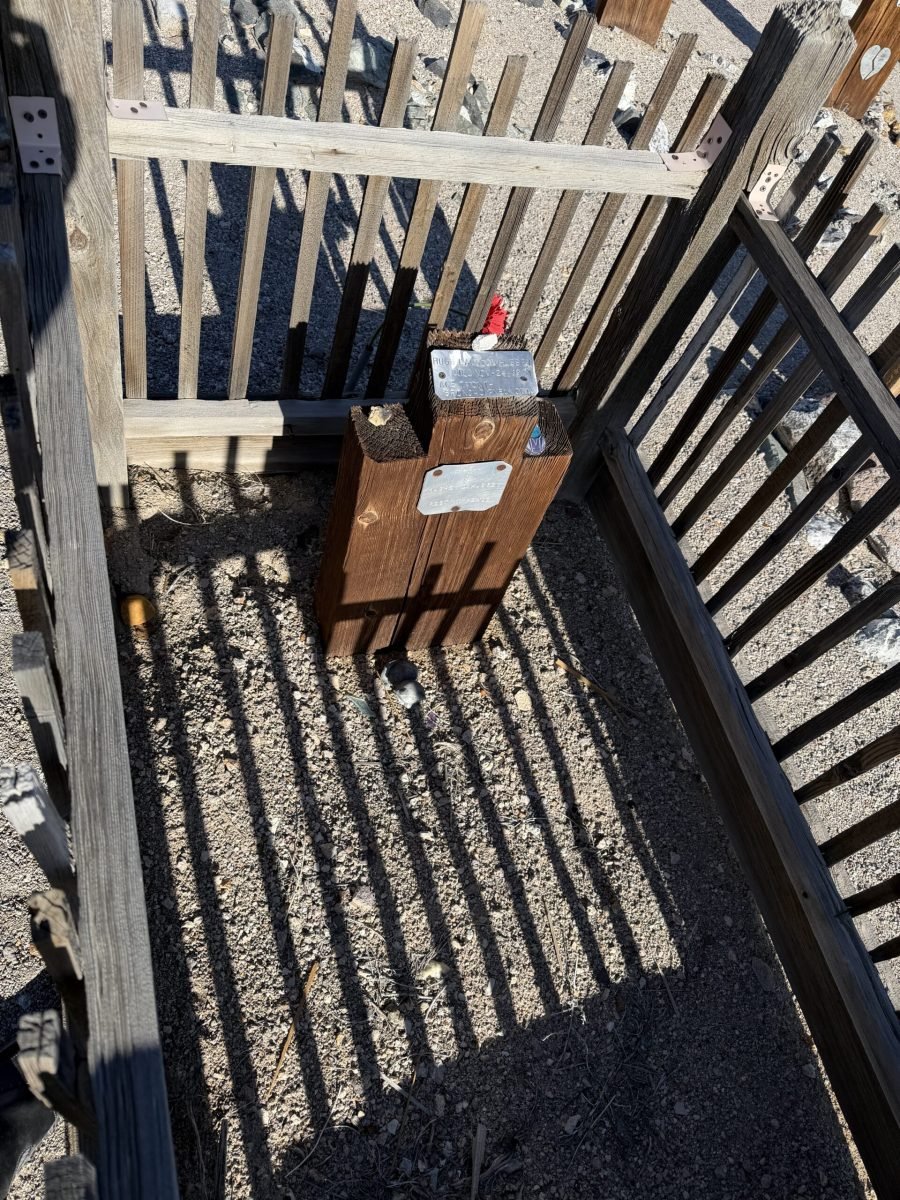
Other graves tell the same rough tale. The Marojevich brothers, for example, are tied to another mining accident, and their story adds a family ache to the cemetery’s already heavy air. For a current walking-tour summary of notable graves, the official Old Tonopah Cemetery page is useful and direct.
Sheriff Tom Logan, the Tonopah Plague, and graves with lasting mystery
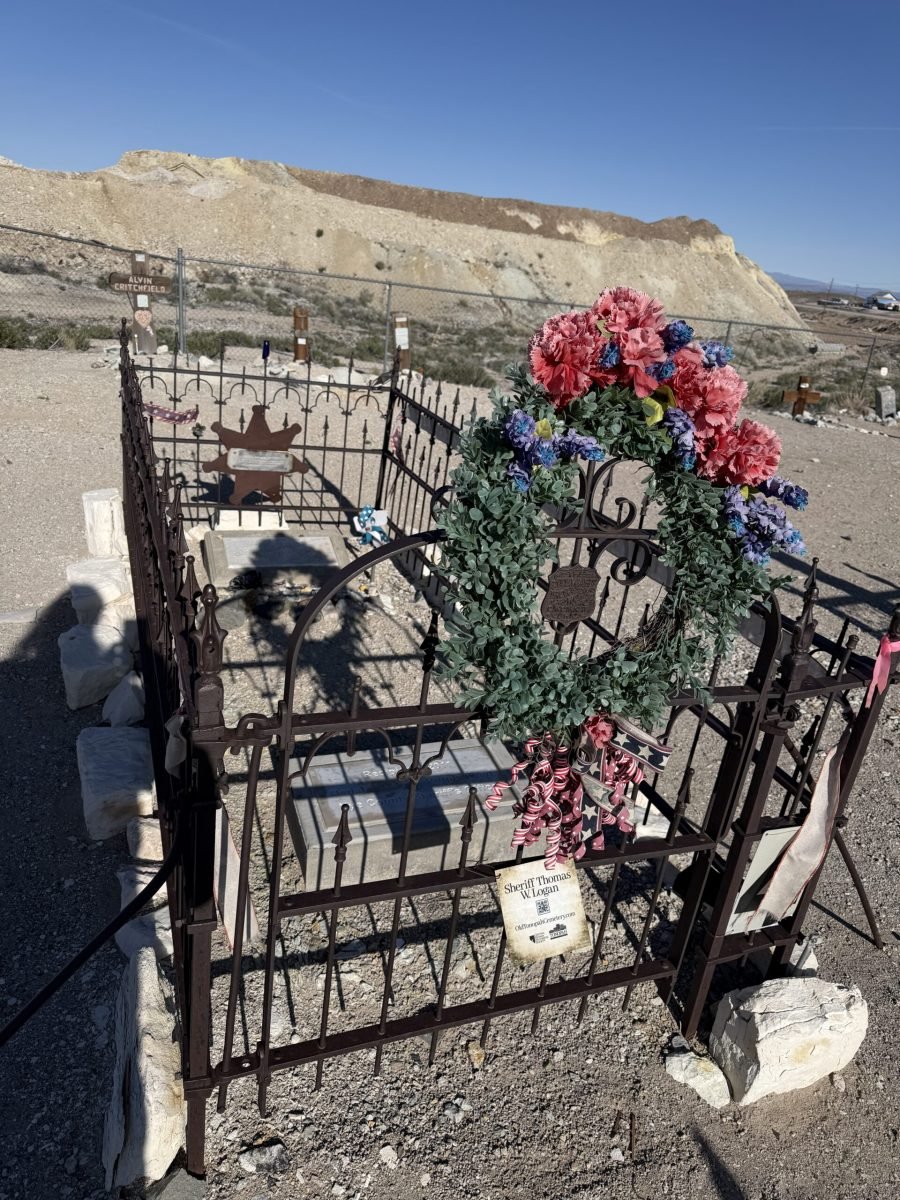
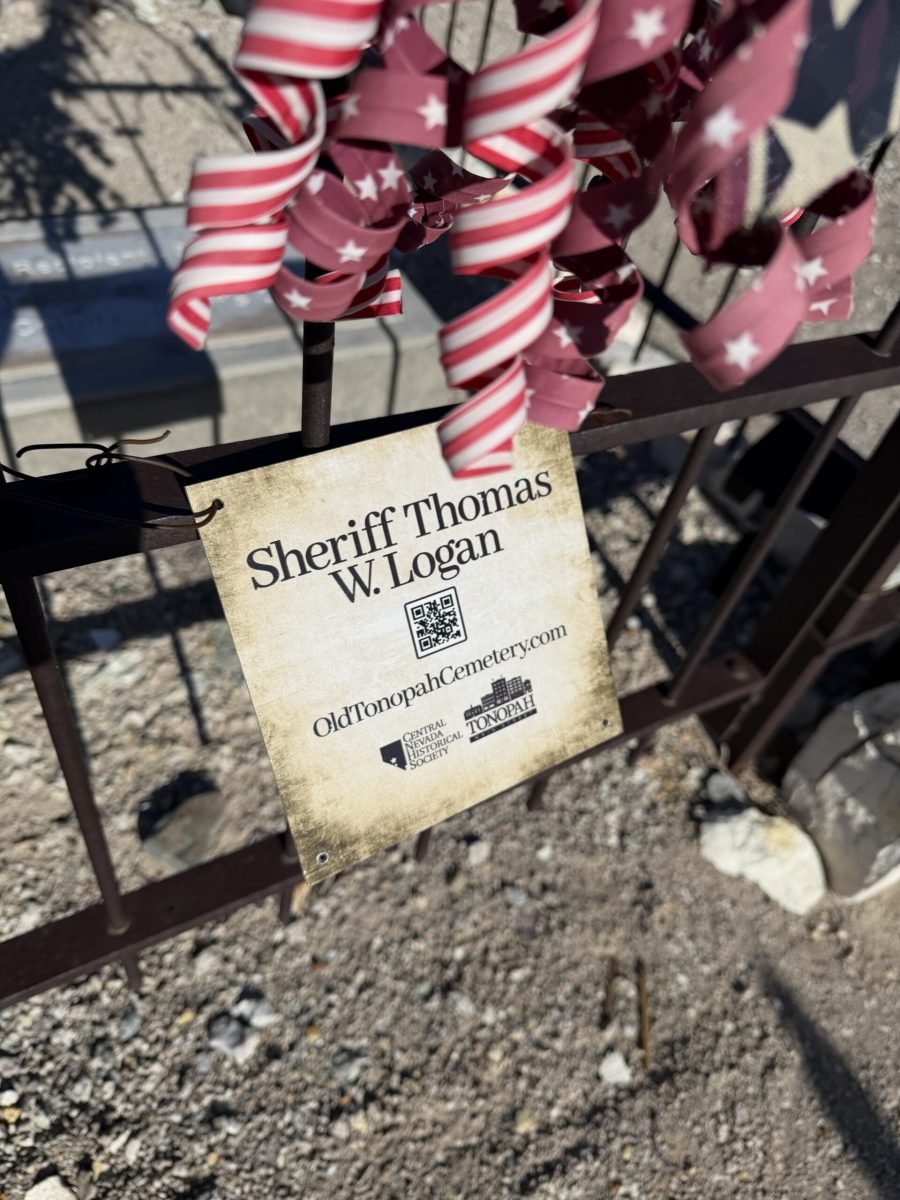
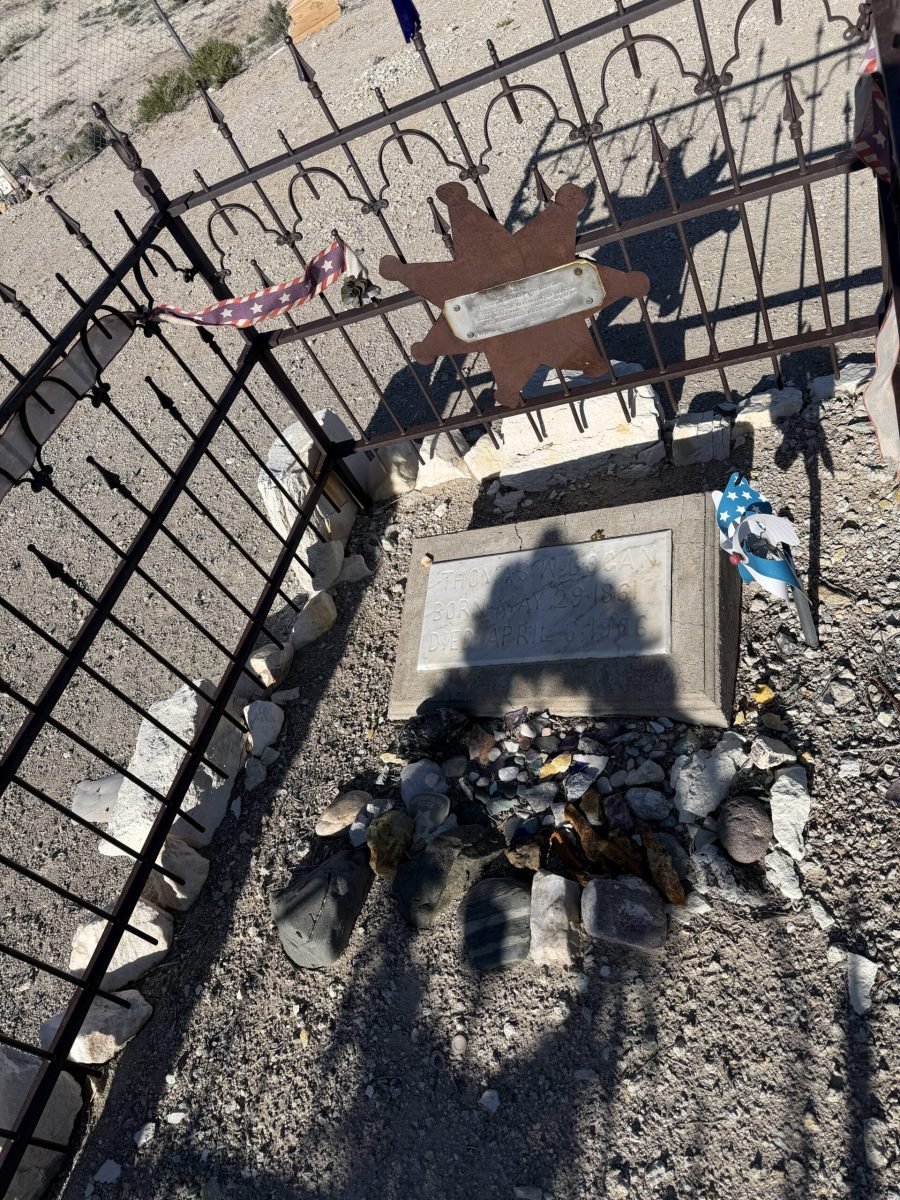
Then there is Sheriff Tom Logan, killed in a shootout outside a brothel in Manhattan, Nevada. His grave gives the cemetery a frontier sharpness that no ghost tour script could improve. Tonopah was a mining town, yes, but it was also a place of lawmen, gambling rooms, quick tempers, and violent endings.
The 1902 “Tonopah Plague” adds another layer. Some local accounts use that name, though later sources question whether it was truly a plague in the medical sense. Even with that caution, the outbreak clearly frightened the town and left bodies behind. Disease in a young boomtown often moved with ugly speed, and fear traveled even faster.
The Merten brothers deepen that sorrow. Three siblings died within about two years of one another, and repeated family loss like that gives the cemetery its emotional pull. You don’t need to believe in ghosts to feel the pressure of those stories. History can be enough.
Is Old Tonopah Cemetery really haunted, or is the past doing the work
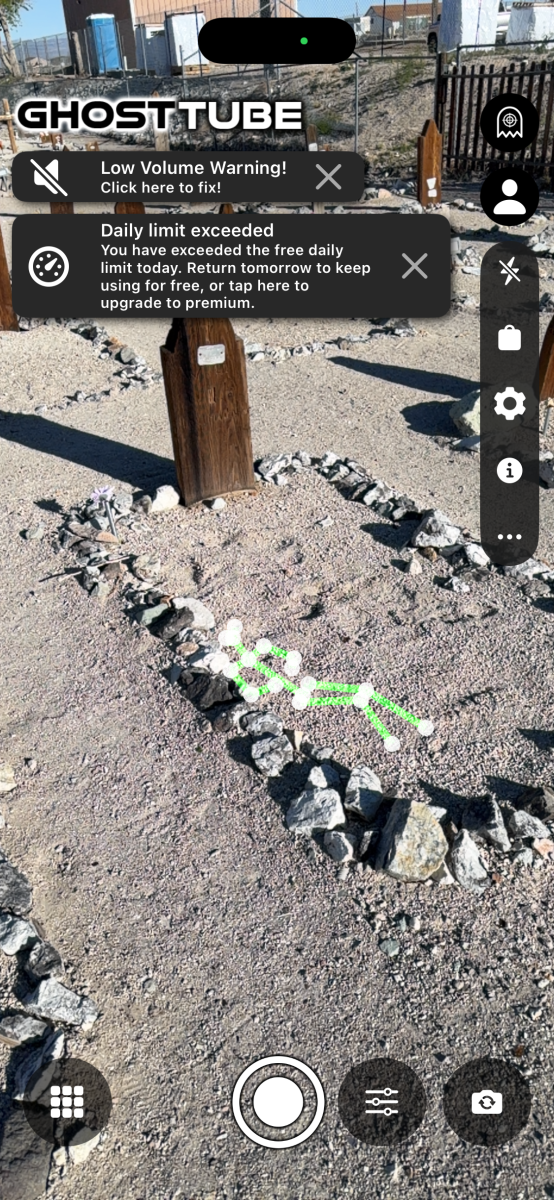
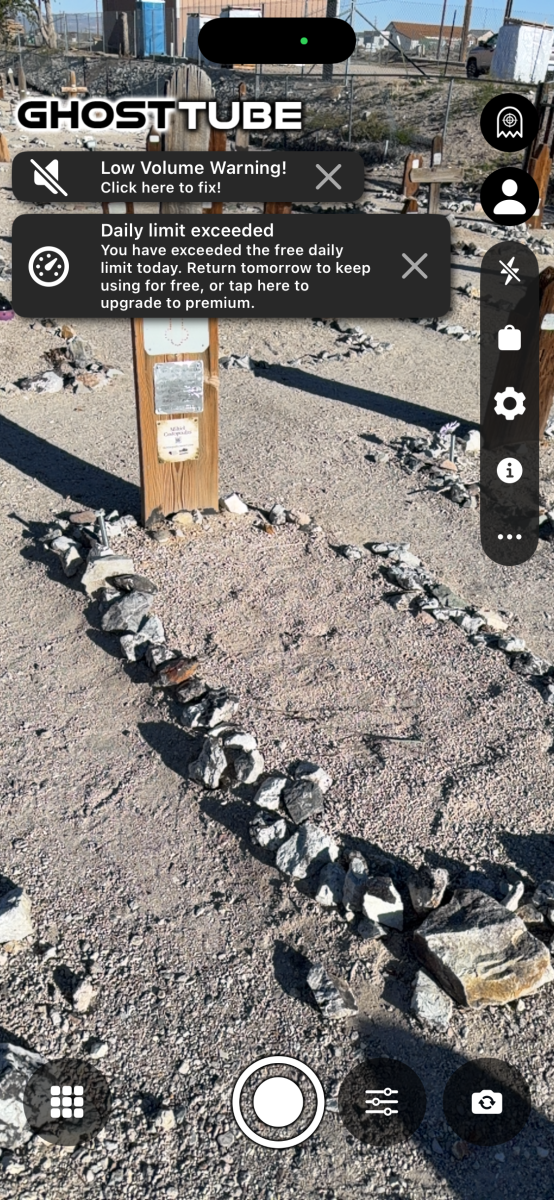
This is where Old Tonopah Cemetery becomes catnip for paranormal visitors. Reports mention apparitions, odd sounds, cold spots, and a heavy sensation near certain graves, especially around the Belmont Mine victims. Those stories are part of the site’s identity now, though they remain anecdotal.
A place can gather ghost lore for honest reasons. Isolation helps. Broken or crooked markers help. Harsh desert silence helps more than any soundtrack ever could. And when you add a century of mining deaths, illness, and frontier violence, the imagination hardly needs a push.


The ghost stories visitors share most often
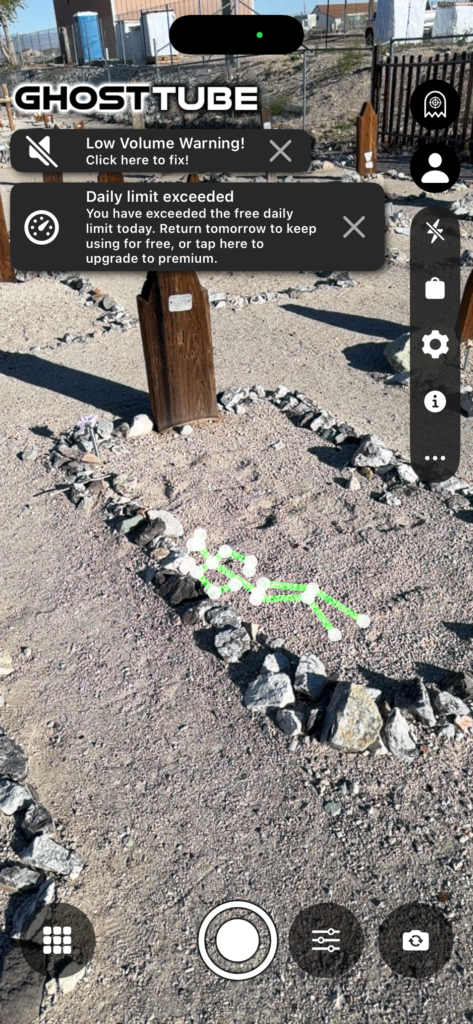
Most stories fall into a familiar set. Visitors mention shadowy figures between graves, murmurs with no speaker, or the sense that someone is standing a pace behind them. Some describe changes in temperature or a sudden pressure in the chest. Others say certain plots feel heavier than the rest.
None of that proves haunting. It does, however, show how strongly place and story can work together. A cemetery built on damaged ground, full of short lives and public tragedies, invites people to read feeling as evidence. A paranormal travel account at Paranormal Traveler captures that mood well, even if the claims stay in the realm of personal experience.
Old Tonopah Cemetery feels eerie because the history is eerie, and the ground never lets you forget it.
How the Clown Motel and Tonopah’s wider ghost culture add to the mood
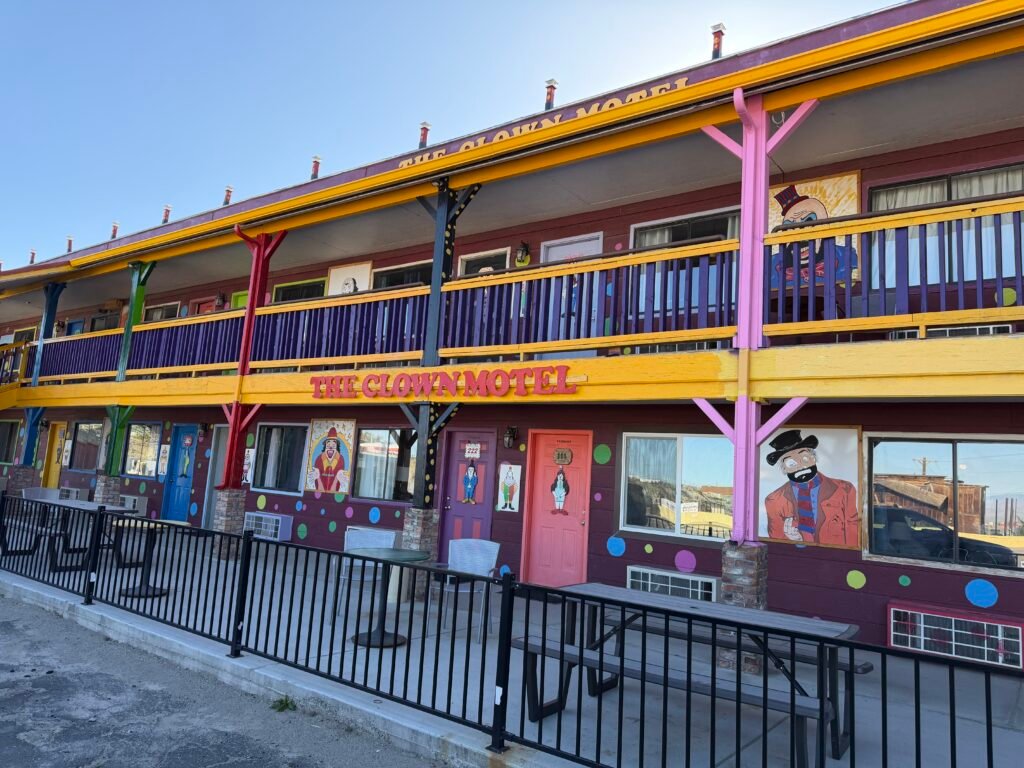
The cemetery sits next to the Clown Motel, which almost sounds like a joke the desert told itself and then decided to keep. That pairing has turned this patch of Tonopah into a pilgrimage stop for ghost hunters, roadside oddity fans, and people who enjoy sleeping near places that might object.
Tonopah also has a larger haunted identity. The Mizpah Hotel often enters the conversation, and local tourism has learned that old mining towns and ghost stories are natural companions. That doesn’t make every tale false, but it does shape how visitors arrive. Many show up ready for signs, sounds, and stories. A brief modern take from Ghost Hunt TV shows how firmly the cemetery now lives in that wider ghost culture.
What to know before you visit Old Tonopah Cemetery
Old Tonopah Cemetery is free to enter and generally open day or night. Many visitors park by the Clown Motel, then walk straight over. The site remains accessible as of April 2026, and donations help support grave repair, preservation, and labeling.
Walking tour maps may be available at the entrance, and you can also find them online through town tourism resources. If your interest leans more toward history than scares, daytime is the better choice. The details on markers are easier to read, the ground is safer to judge, and the place feels less like a dare.
Best ways to explore the cemetery with respect and purpose
Start with a few named graves tied to the town’s best-known stories, Big Bill Murphy, Tom Logan, the Belmont fire victims, the Merten brothers. Take notes or photos of names and dates for later research, because that turns a spooky stop into something more useful and honest.
Afterward, visit the Central Nevada Museum for fuller local context. That extra step often changes the cemetery from a mood piece into a human record. Also, tread carefully. The ground can be uneven, markers are fragile, and this is still a burial place, not a stage set for pranks.
Old Tonopah Cemetery lingers in the mind because its short life still feels unfinished. The damaged graves, the mining losses, and the ghost lore all press in at once, and none of them cancel the others out.
That is the strange grace of haunted history. You can arrive looking for spirits and leave thinking about workers, families, epidemics, and a town that buried its dead on shifting waste. Curiosity belongs here, but respect belongs first.