Ghost Town Ruins by a Desert Hot Spring
Finding a forgotten stop in the Nevada desert has its own kind of pull. Warm Springs catches that feeling in one glance, because it is three places at once: a hot spring site, a former stage stop, and one of those ghost towns that seem stranded between centuries.
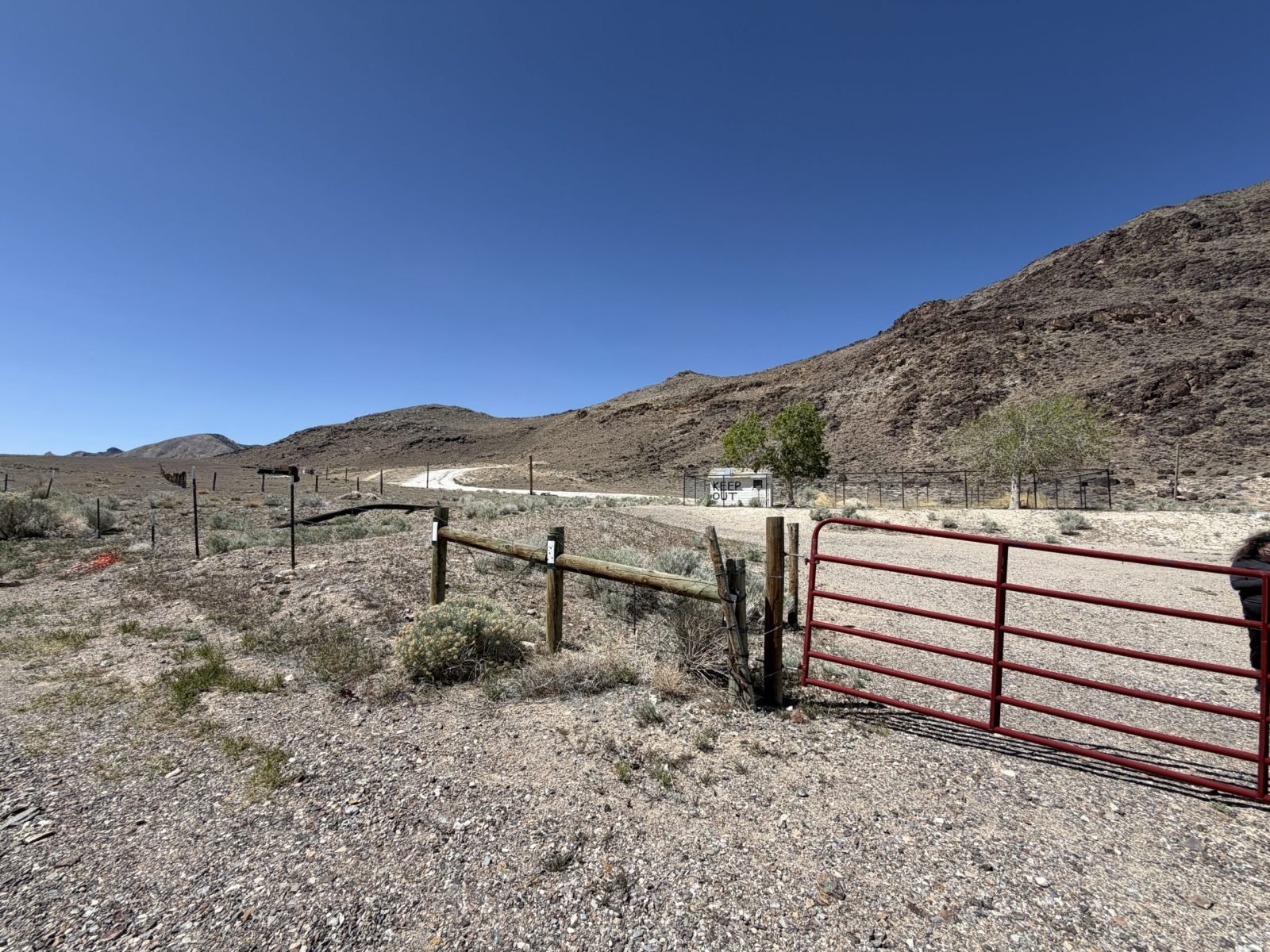
Still, set your expectations early. This is not a developed soaking spot. It is a historic roadside ruin on private property at the junction of US 6 and State Route 375, the start of the Extraterrestrial highway. That makes it an easy add-on for an alien-country road trip, if you want history with your empty desert miles.Just west across the Extraterrestrial highway from Ash Springs/Crystal Springs and Close to Area 51.
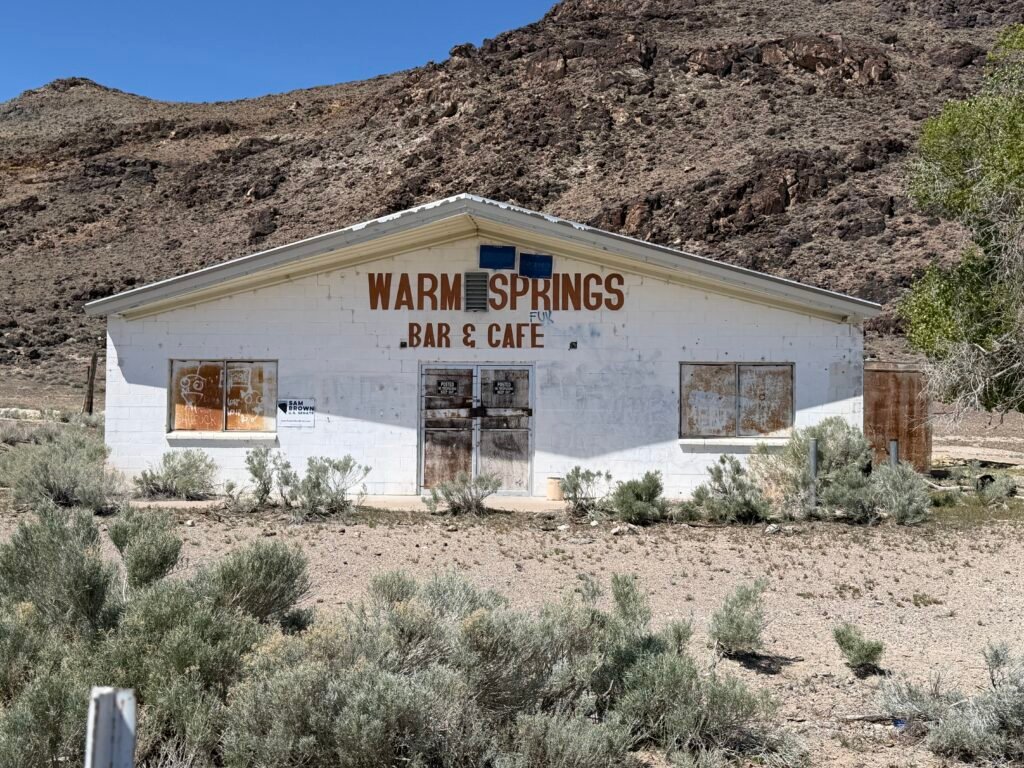
What Warm Springs Nevada is, and why it matters
Warm Springs sits in Nye County, about 50 miles east of Tonopah, where US 6 meets State Route 375. On a map, it looks tiny. In person, it feels larger because the landscape does so much of the talking.
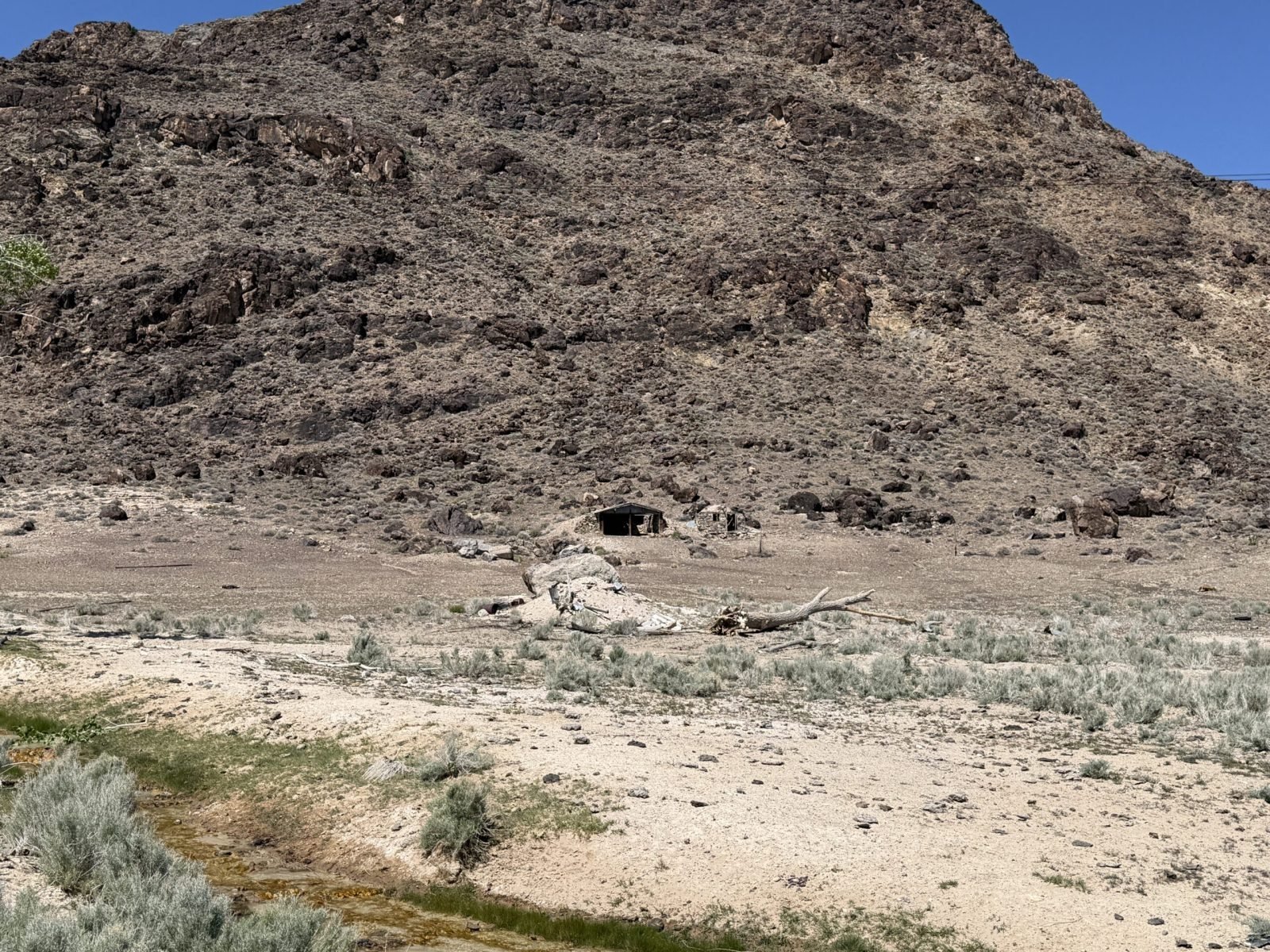
Among Nevada’s many ghost towns, this one lingers in memory for a simple reason. You can still see the bones of the place, and the spring that gave it life is still there. Water moves. The buildings don’t. That contrast gives Warm Springs its mood.
It also helps that the stop is easy to find from a paved highway. You do not need a high-clearance vehicle or a backcountry plan to understand the site from the roadside. For travelers already chasing ghost towns along Nevada highways, Warm Springs fits neatly into a larger desert route.
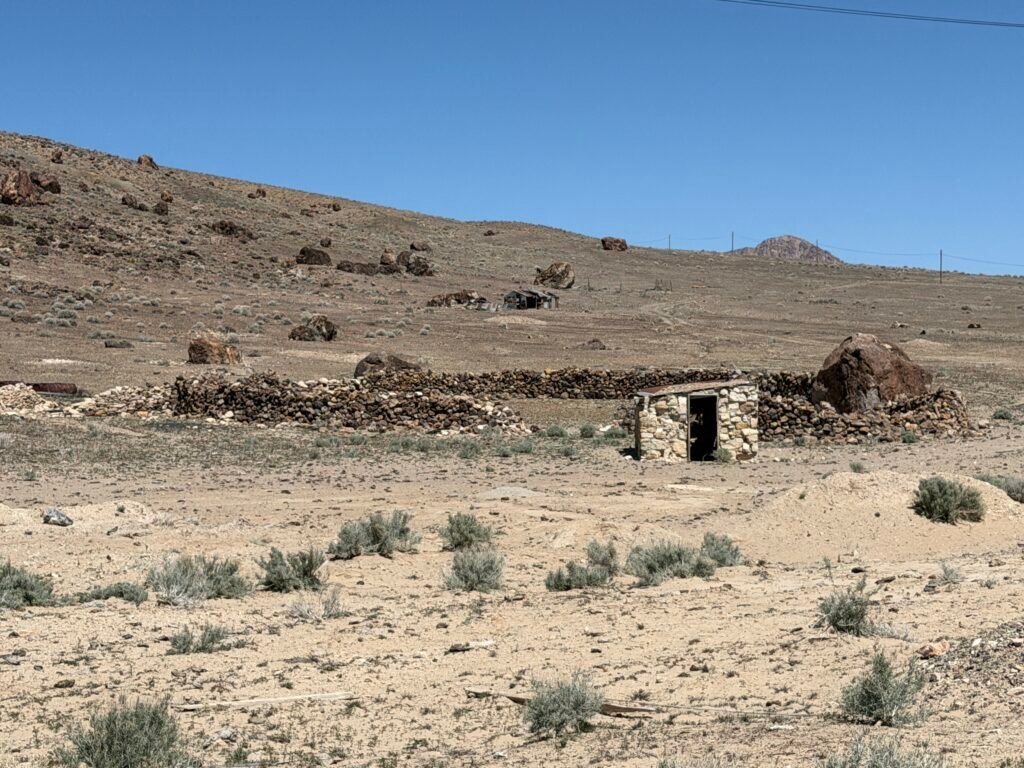
A desert junction with a bigger story than most travelers expect
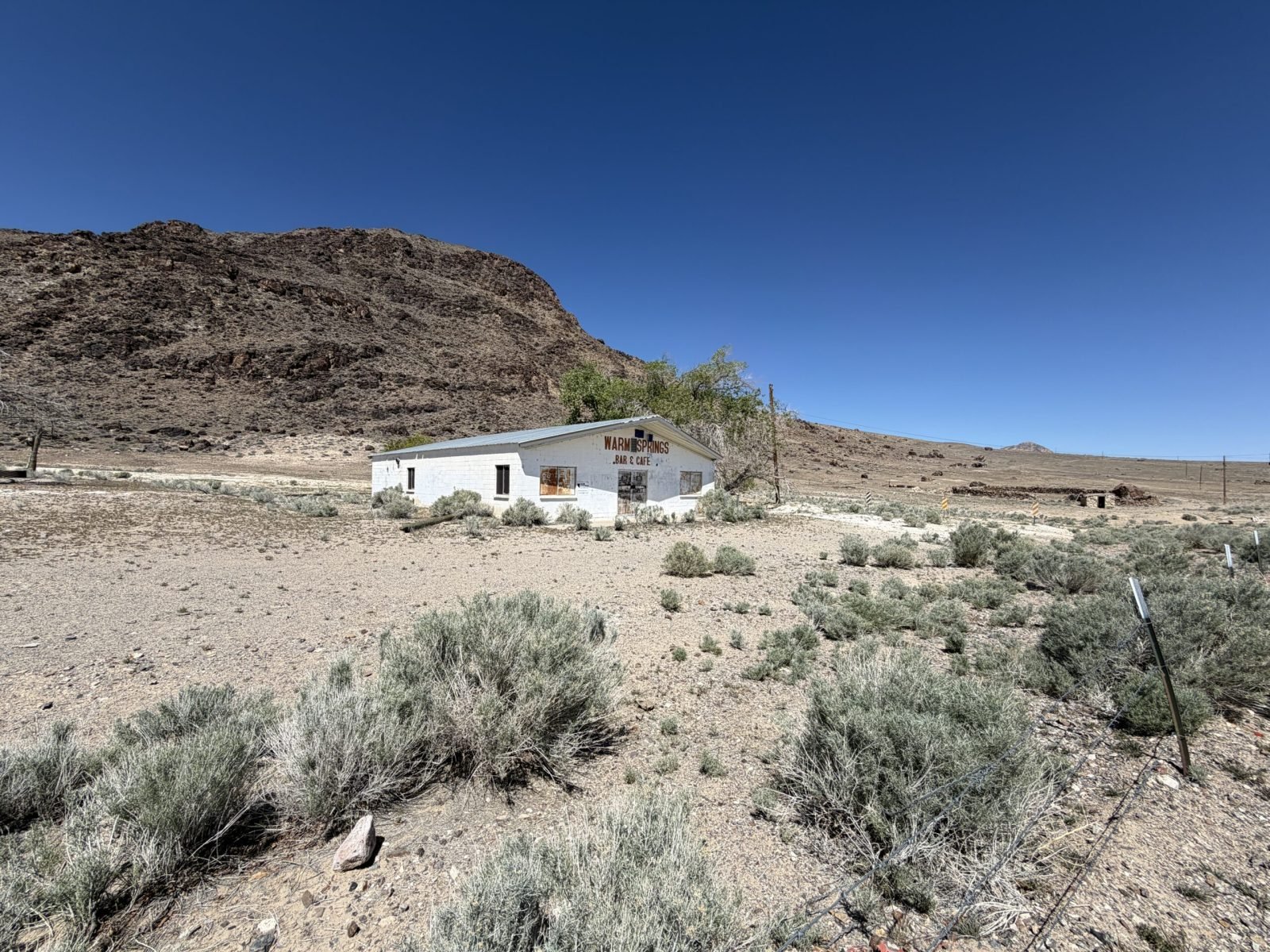
The setting is pure central Nevada, broad basin, dry brush, pale hills, and a horizon that seems to slide away from you. The crossroads gives the site a faint cinematic quality, as if a bus should arrive from 1925 while a UFO hunter pulls in from 2026.
Long ago, this lonely junction mattered far more than it does now. Roads were rough, travel was slow, and a reliable stop could shape an entire route. Warm Springs was one of those places, a small outpost that mattered because the desert left few easy choices.
Today, that old importance still hangs in the air. Even if you stop for only ten minutes, the place feels heavier than a quick roadside pullout.
Why do people search for Warm Springs hot springs, even though it is not a soak spot
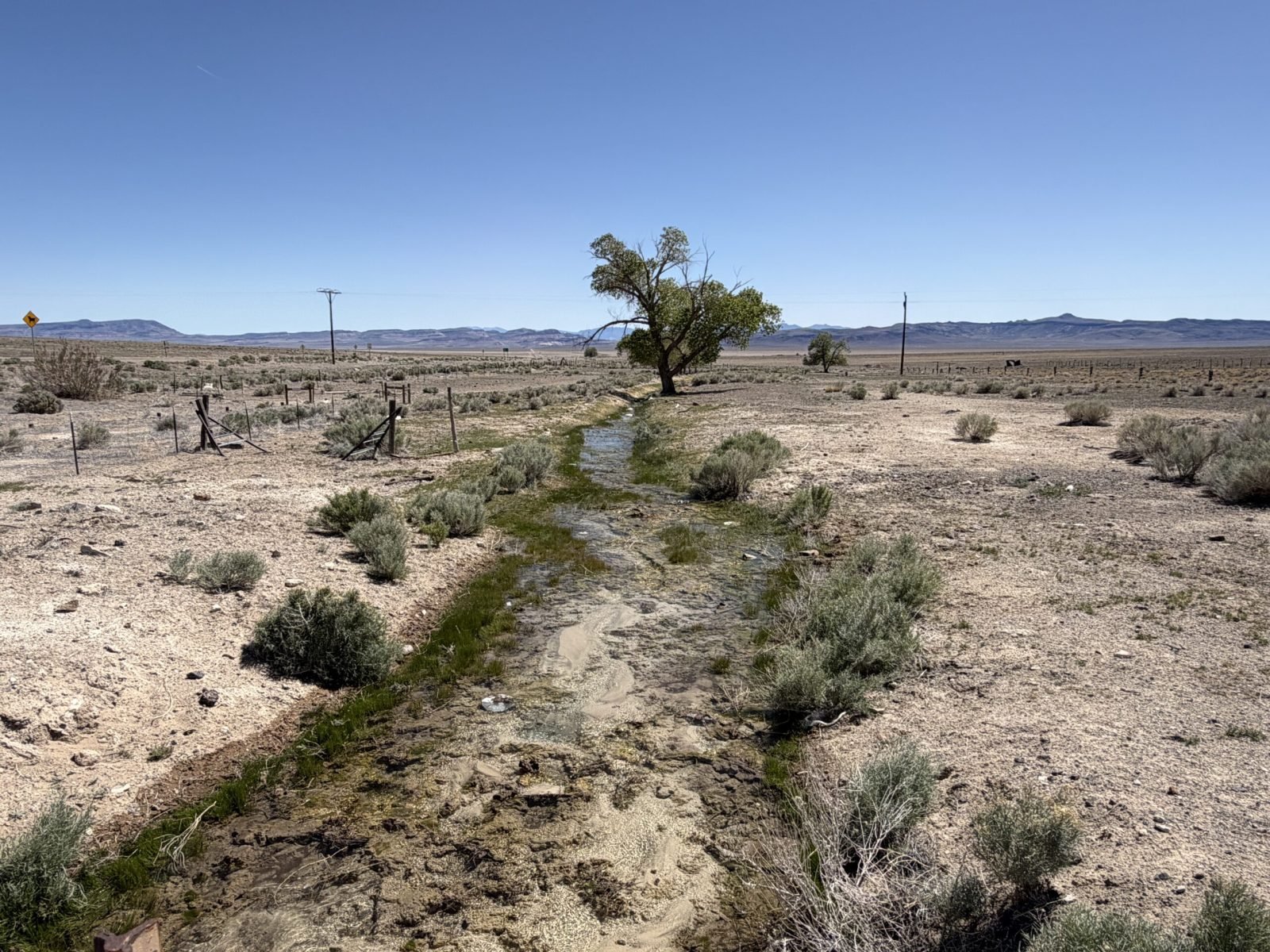
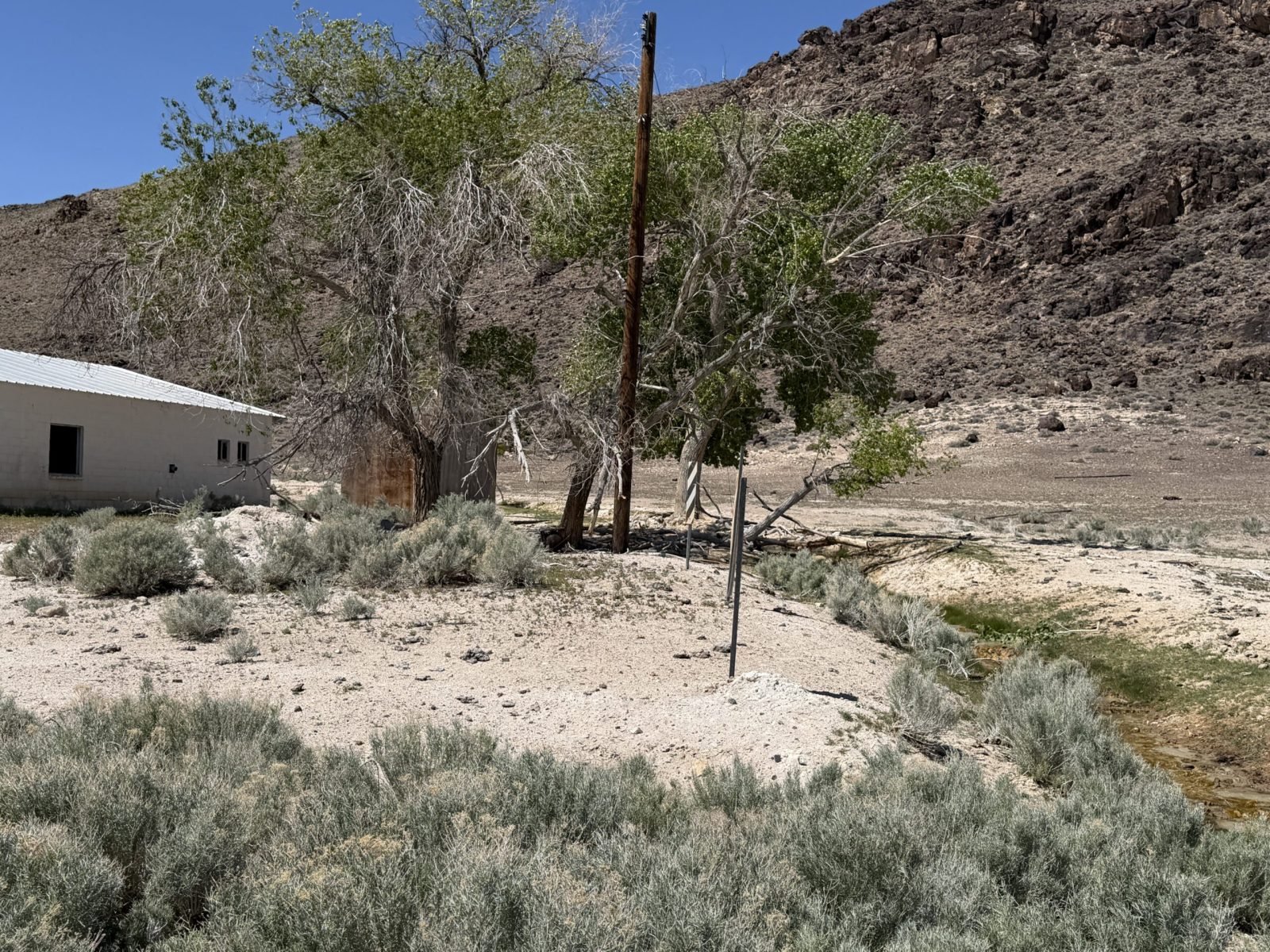
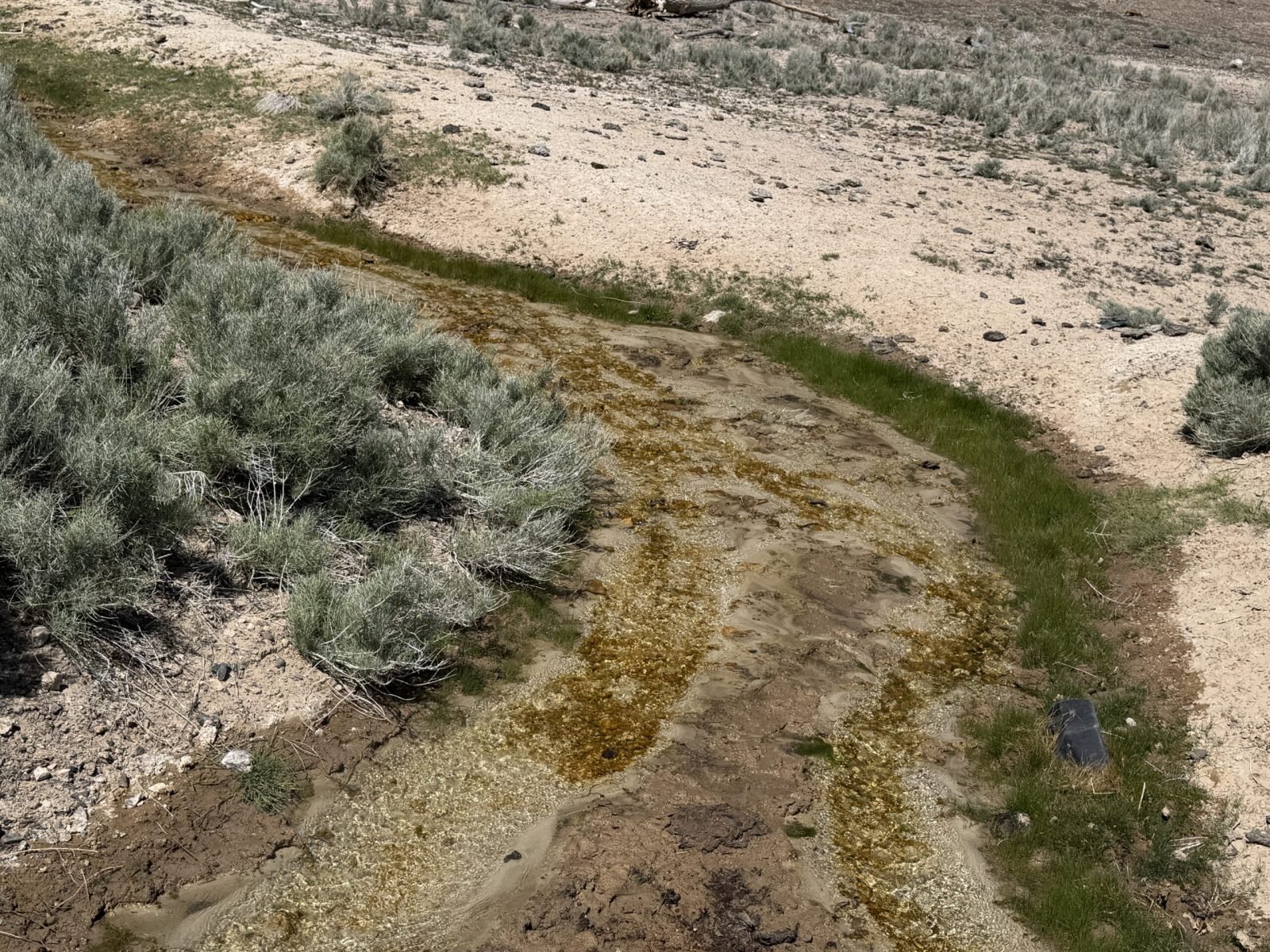
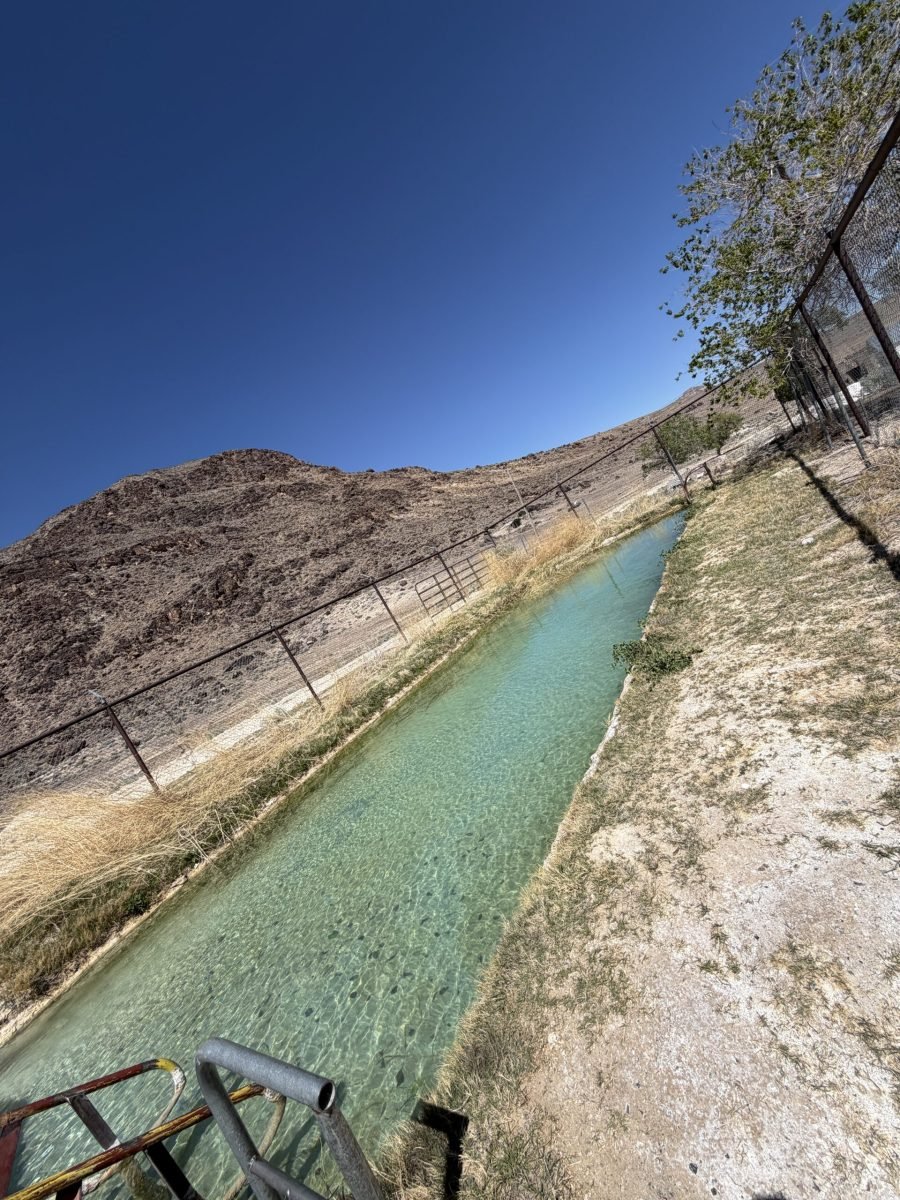
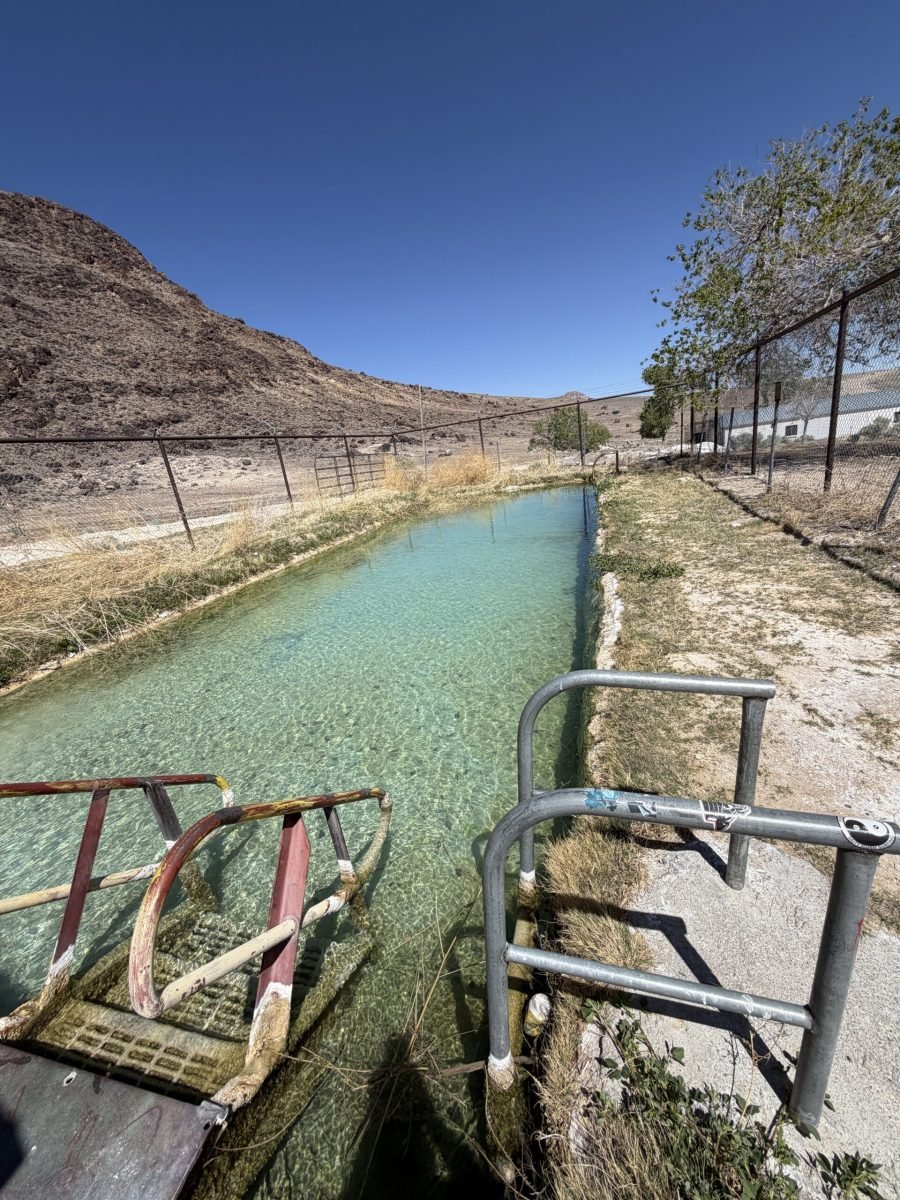
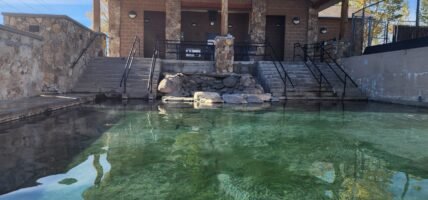
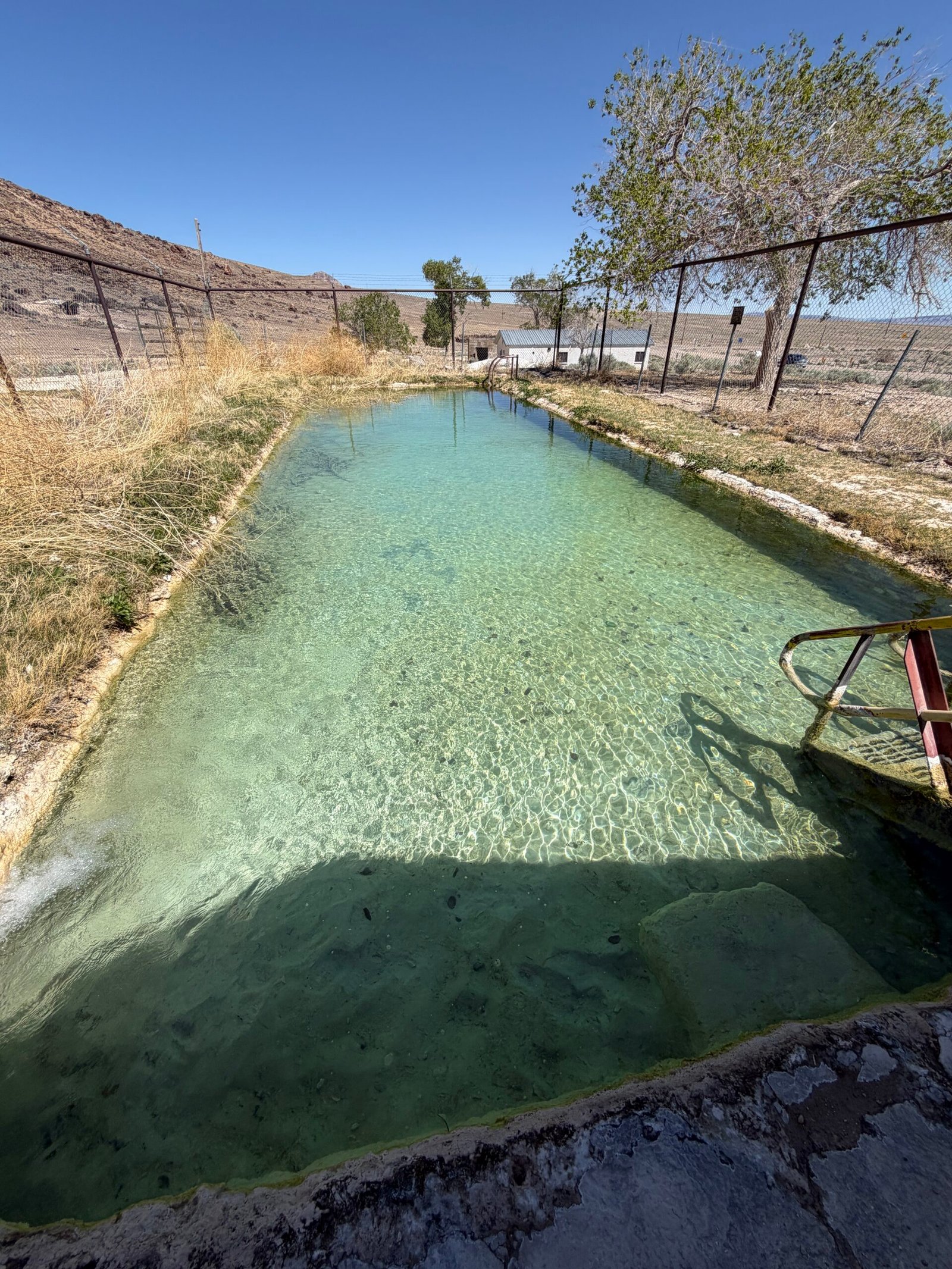
Many people find Warm Springs because they search for hot springs. That makes sense. The spring is real, and the water still feeds a striking pool and a small outflow stream.
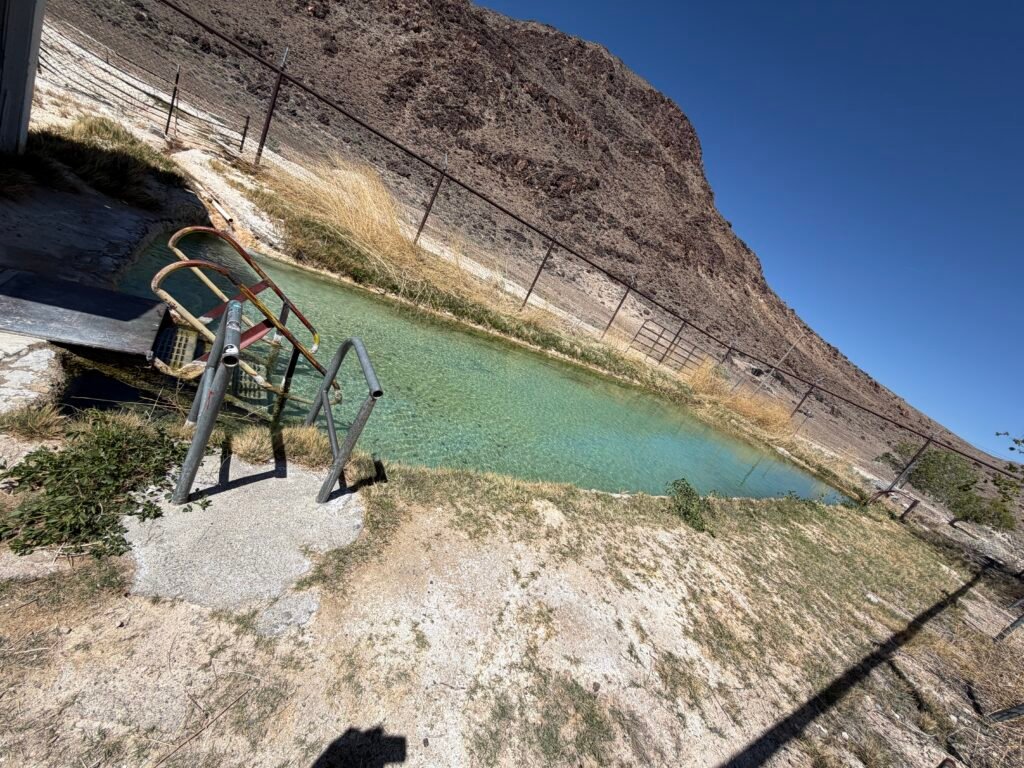
But the pool is fenced, posted, and unsafe to enter. Recent reports continue to describe the site as private property, with no-trespassing warnings and no public soaking allowed. Atlas Obscura’s Warm Springs ghost town entry captures the odd appeal well, because the water still looks alive while the town around it has faded.
The pool is the most tempting part of Warm Springs, and it is the part you should leave alone.
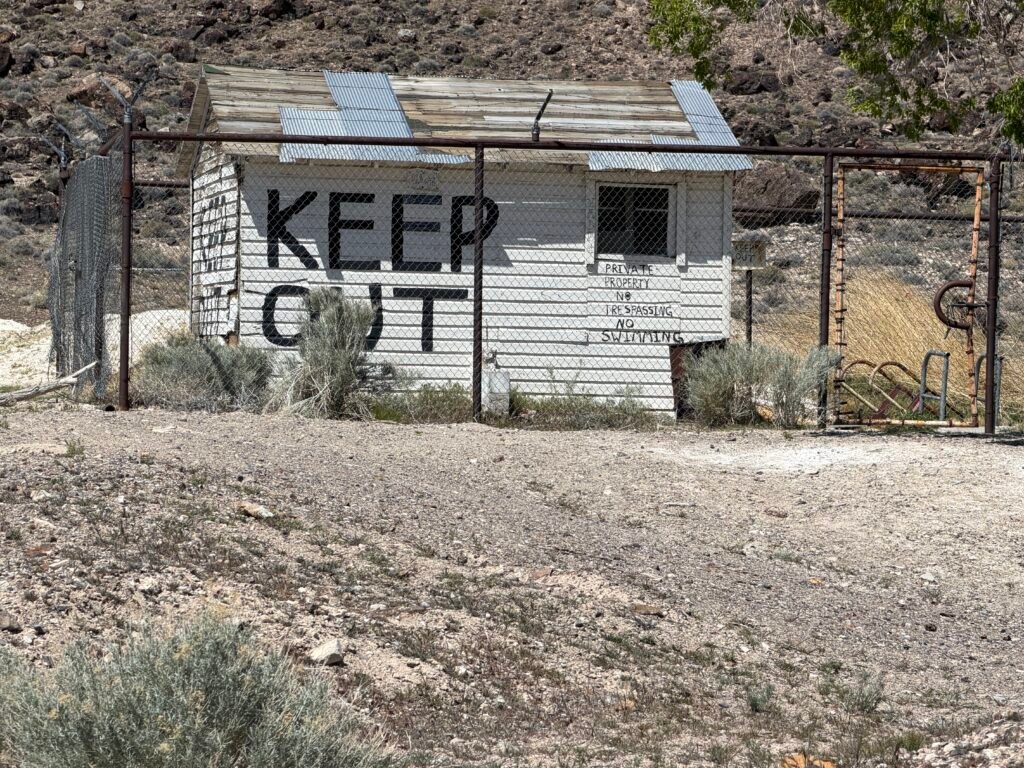
That matters for two reasons. First, the water can be too hot. Second, the site conditions are poor, with old structures, fencing, and a fragile setting that is not set up for visitors.
How a warm spring turned into a stage stop, then faded into a ghost town
Warm Springs began in 1866 near the spring itself. A stone house went up first, and that small act tells you nearly everything about the place. In this part of Nevada, water came first, then people, then the road.
Over time, the stop grew enough to help stagecoaches, freight wagons, and travelers moving across central Nevada. A boarding house, store, and corrals followed. Later, Warm Springs even had a post office, though only for a short run from 1924 to 1929.
A Tahoe Daily Tribune story on the former stagecoach stop traces that long arc from useful desert stop to fading settlement. The pattern was common across the West. A water source created a pause point, and the pause point became a place.
The hot spring that made stopping here possible
Water in the high desert is not a luxury. It is permission to stop.
At Warm Springs, the spring made travel possible for humans and animals alike. Freight teams needed water. Riders needed rest. Travelers needed a break from dust, heat, and distance. The spring gave the site a practical use before it had any romance at all.
That is why the place matters more than many ruins do. It was not built for scenery. It was built because the land offered one valuable thing, and people shaped a stop around it.
When stage stops were lifelines across central Nevada
Before modern highways, remote stage stops were part inn, part stable, part supply point. They were also markers of hope. After hours of open desert, a stop with water and shelter could feel like a small fortress.
Warm Springs belonged to that network of stage stops that stitched Nevada together. It was never a big town, but it did not need to be. It only needed to be there, at the right place, with the right resource, at the right time.
If you enjoy old road history beyond this single site, Nevada’s Lincoln Highway through basin ranges adds useful context for how travel corridors shaped life across the state.
From post office and pool to near-abandonment
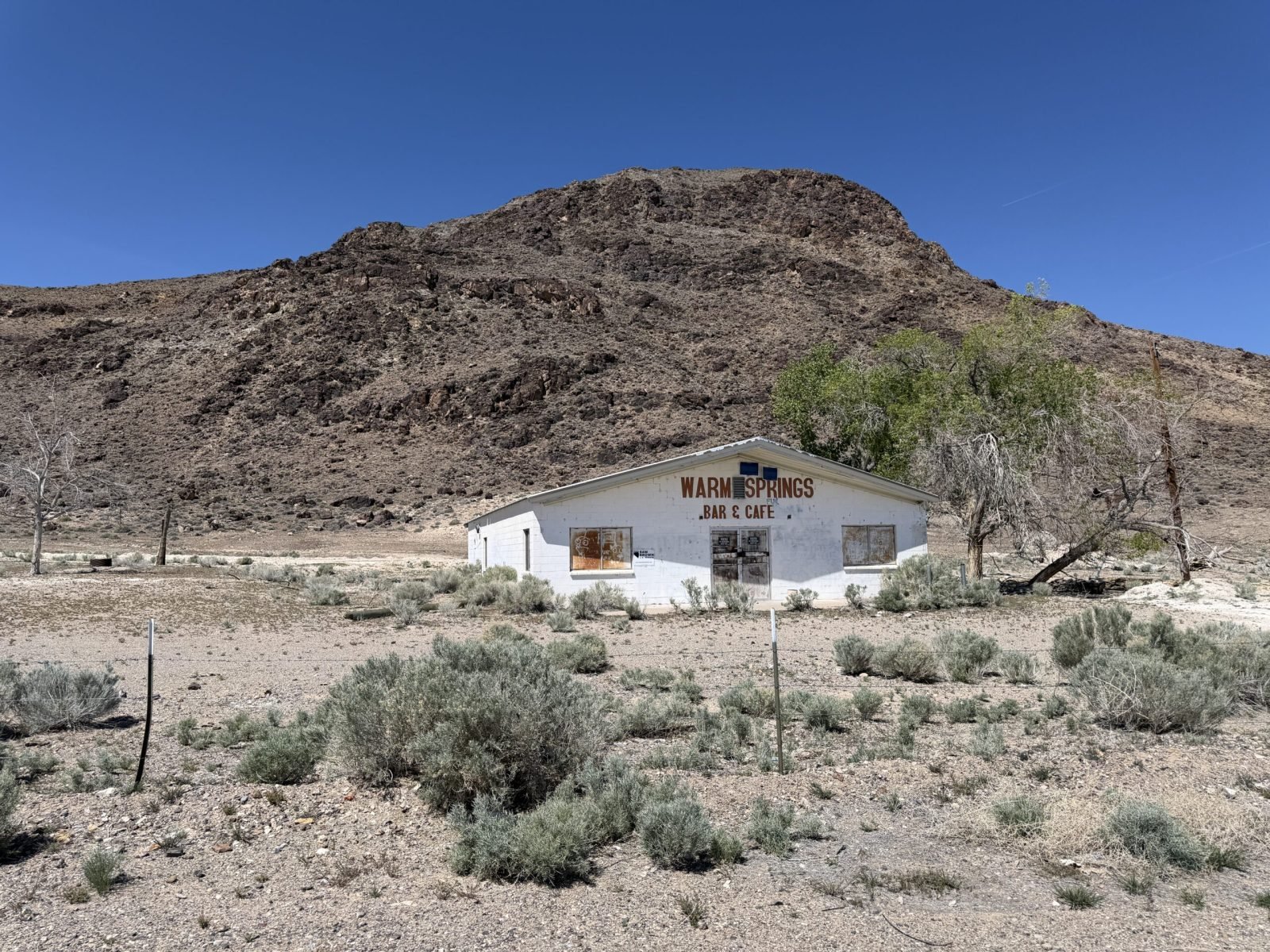
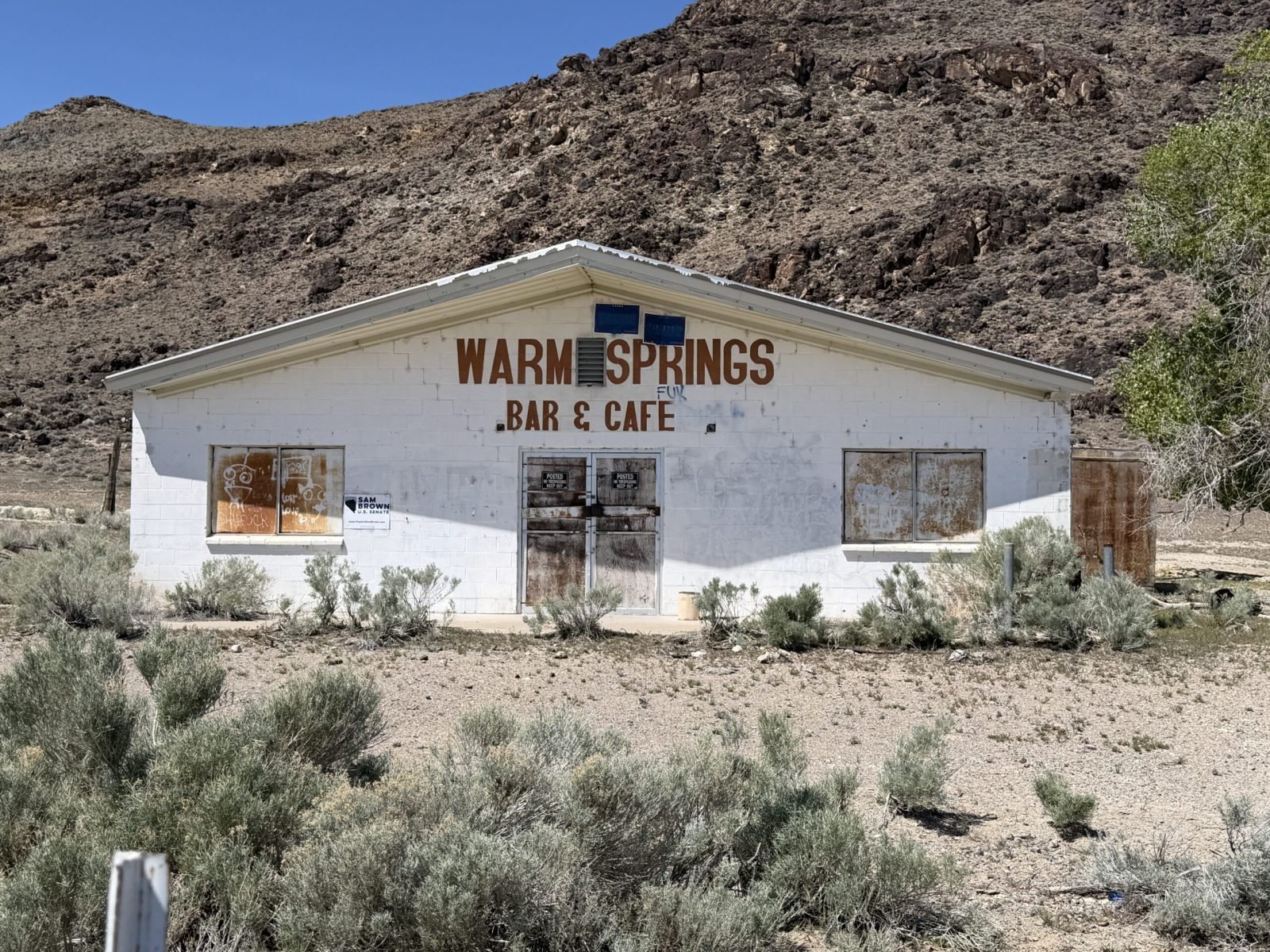
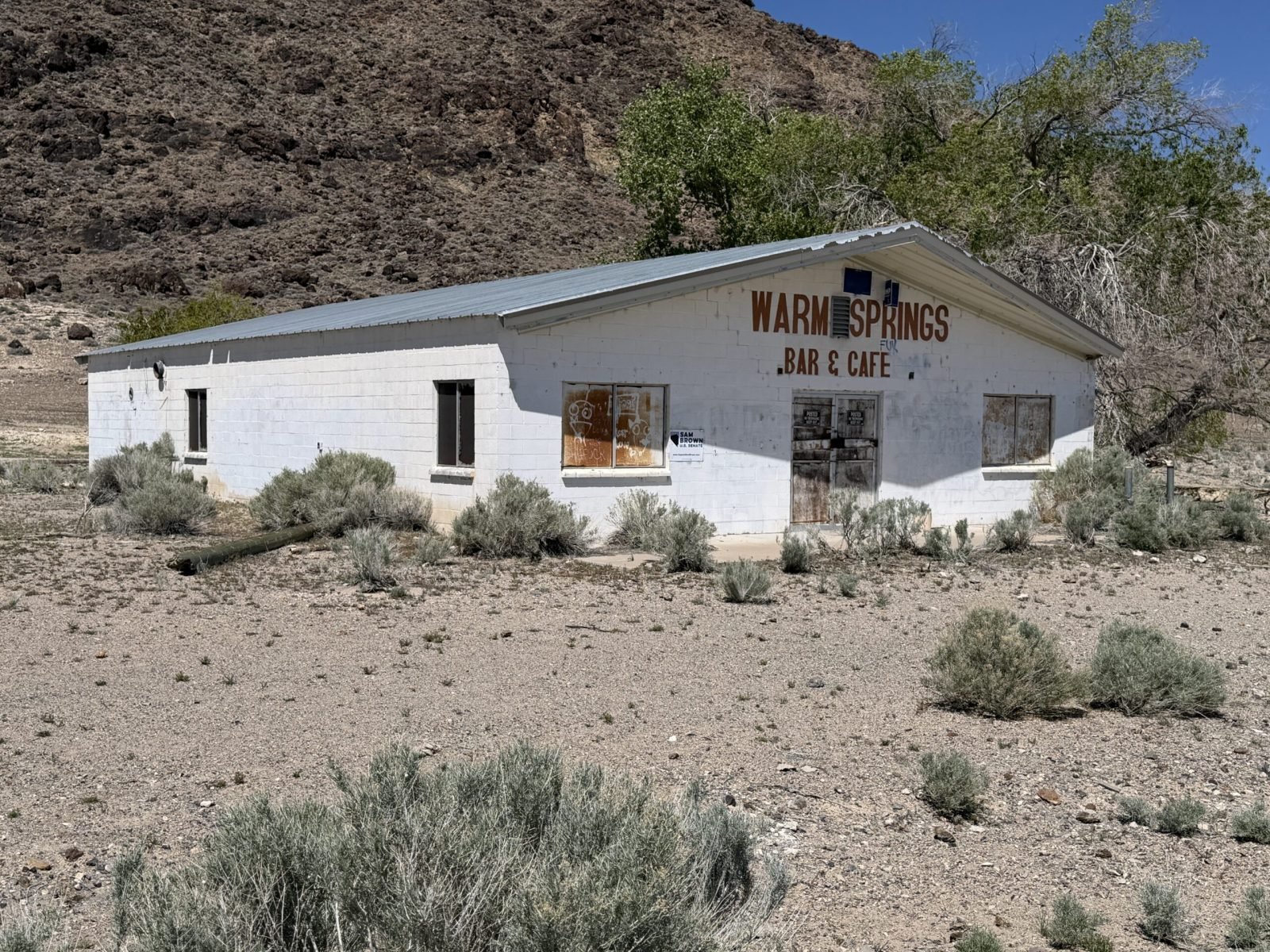
Warm Springs had later chapters too. In the 20th century, the site picked up more highway-era features, including homes, a bar, cafe, gas, and a spring-fed pool. For a while, it was more than a relic. It was a small settlement trying to stay relevant as travel changed around it.
Then the same thing happened here that happened at many old desert stops. Better roads, faster cars, and different routes cut away the need for tiny service points in the middle of nowhere. By the late 20th century, Warm Springs had thinned into near-abandonment.
That decline gives the place its odd identity today. It is not only one of Nevada’s ghost towns. It is a roadside site where several eras still touch each other.
What you can actually see at Warm Springs today
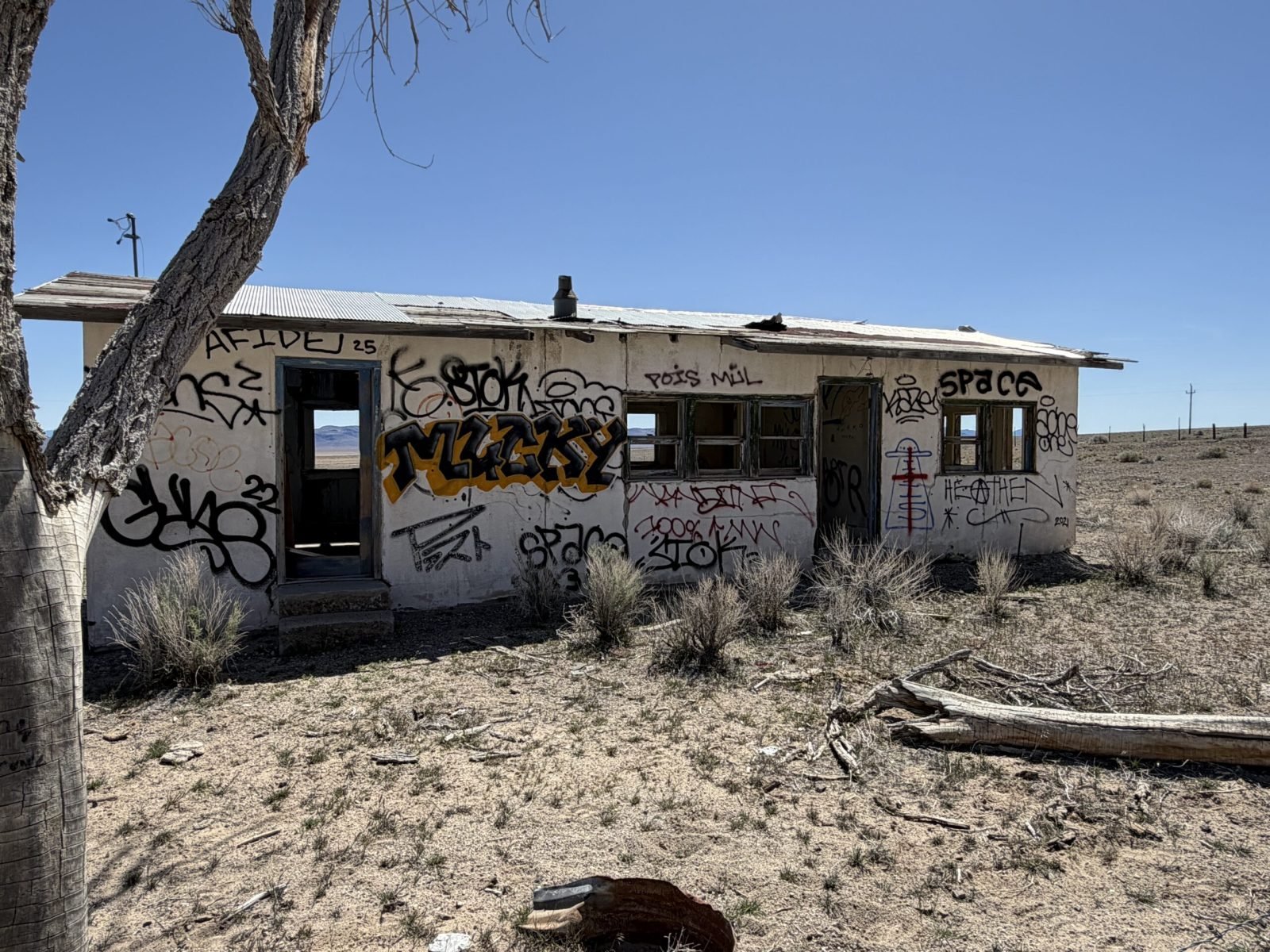
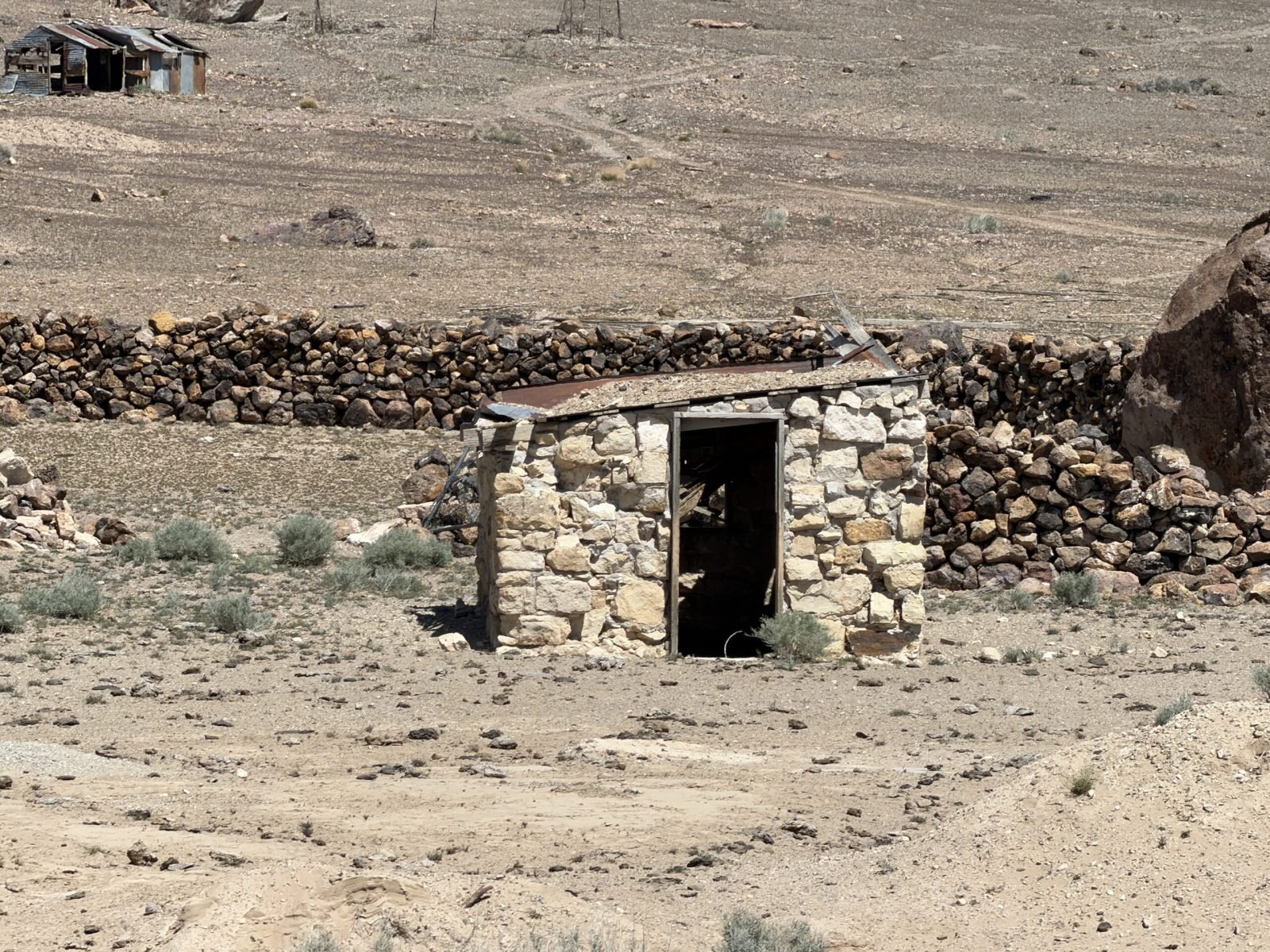
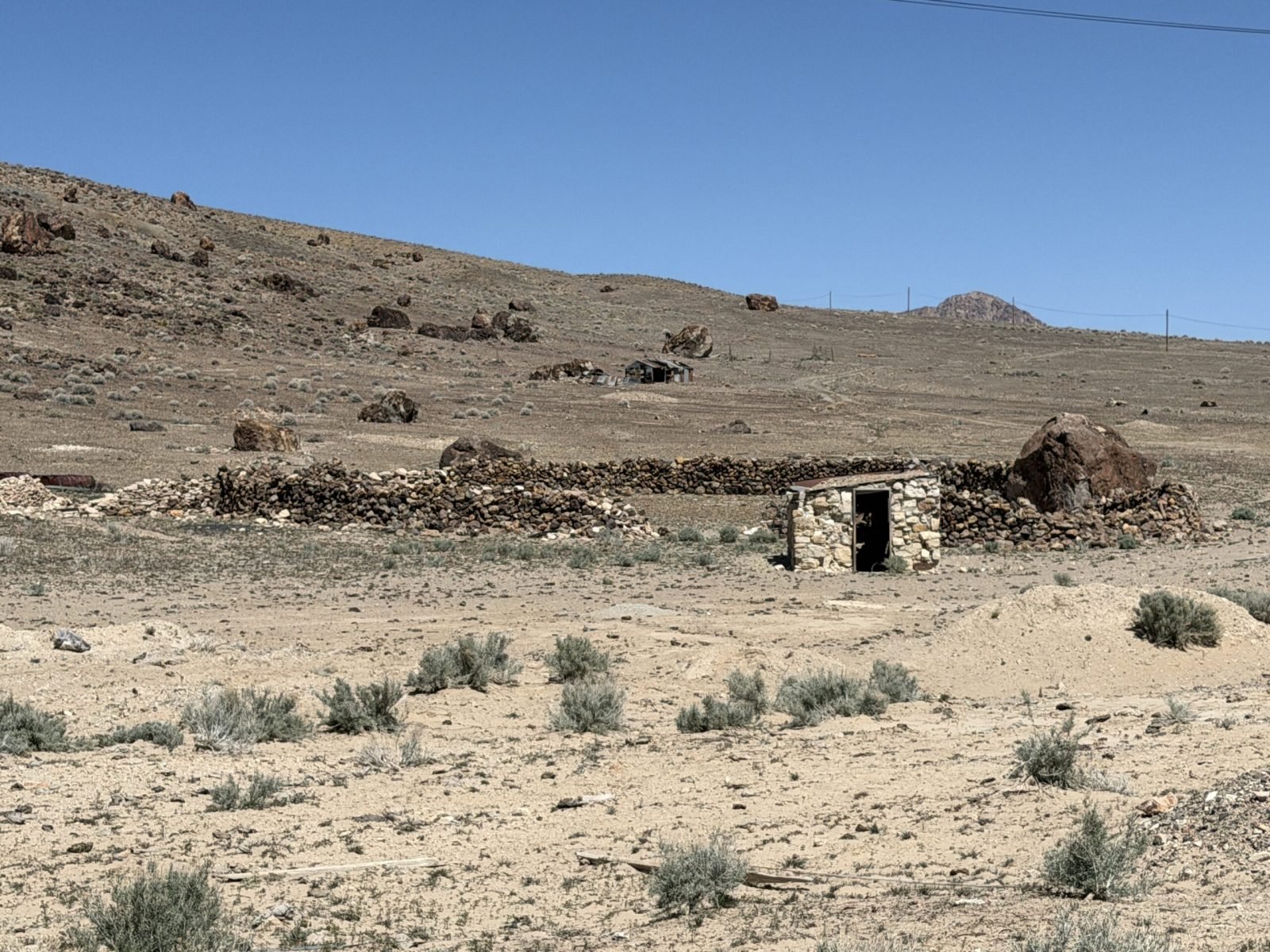
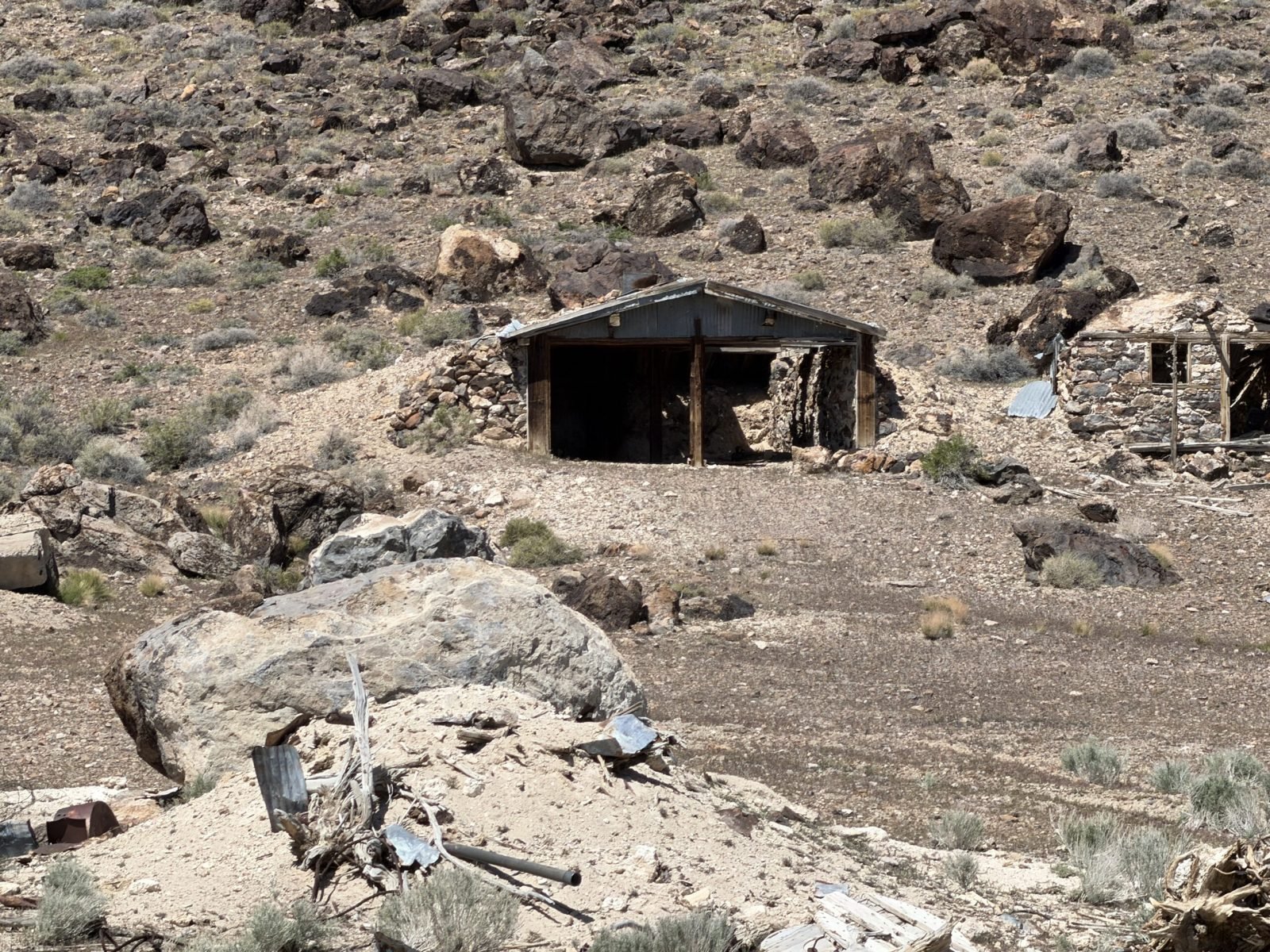
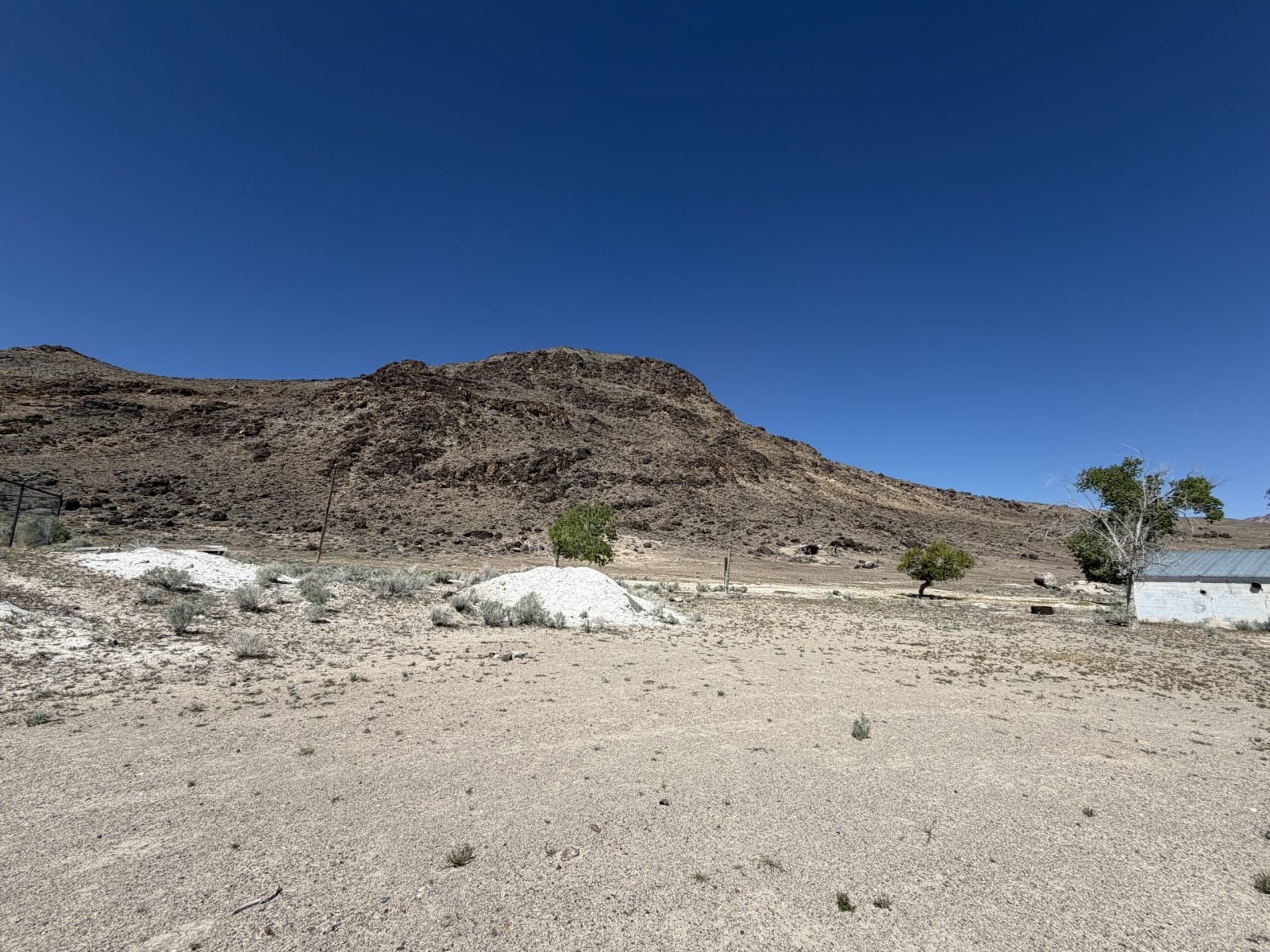
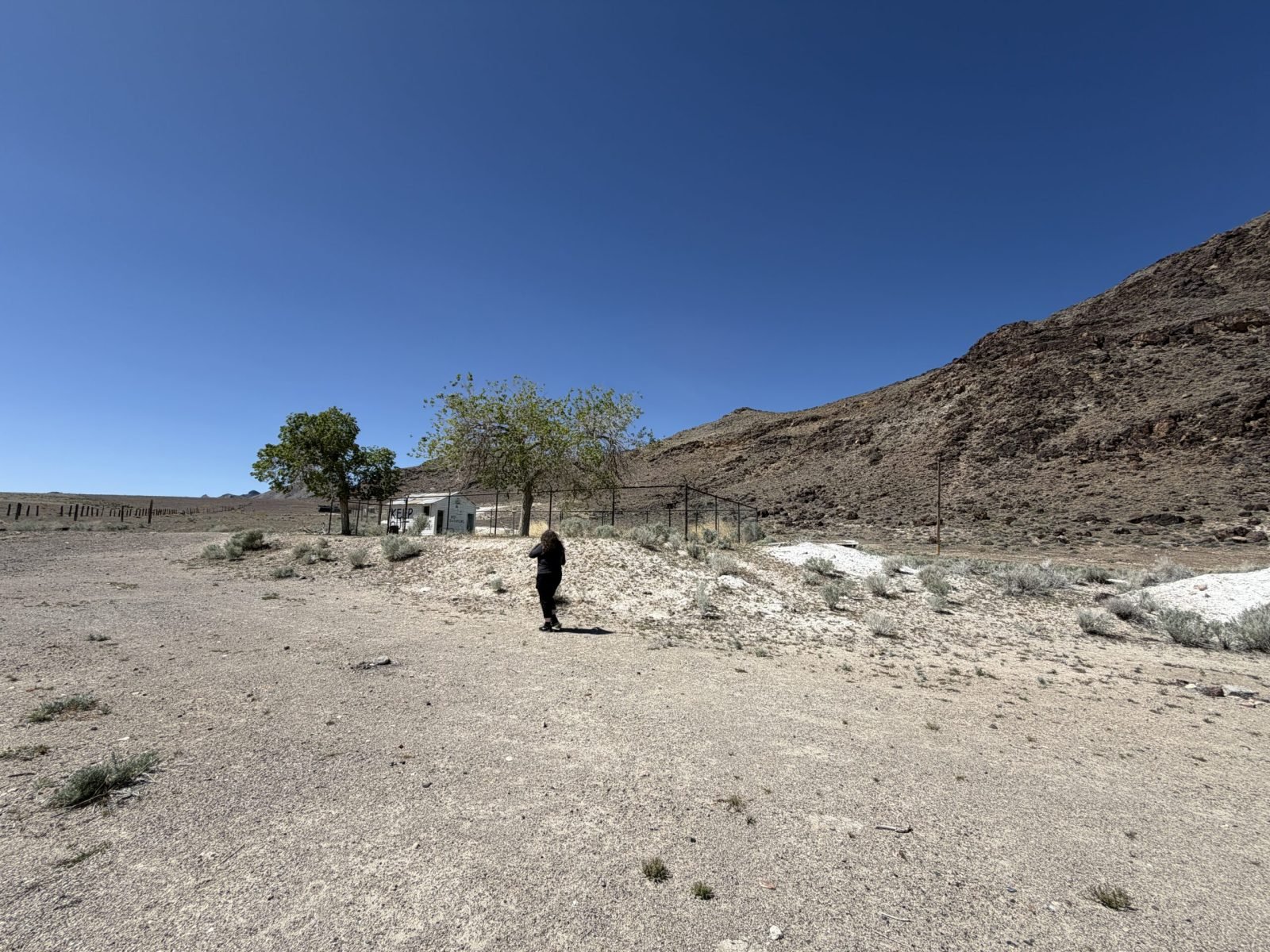
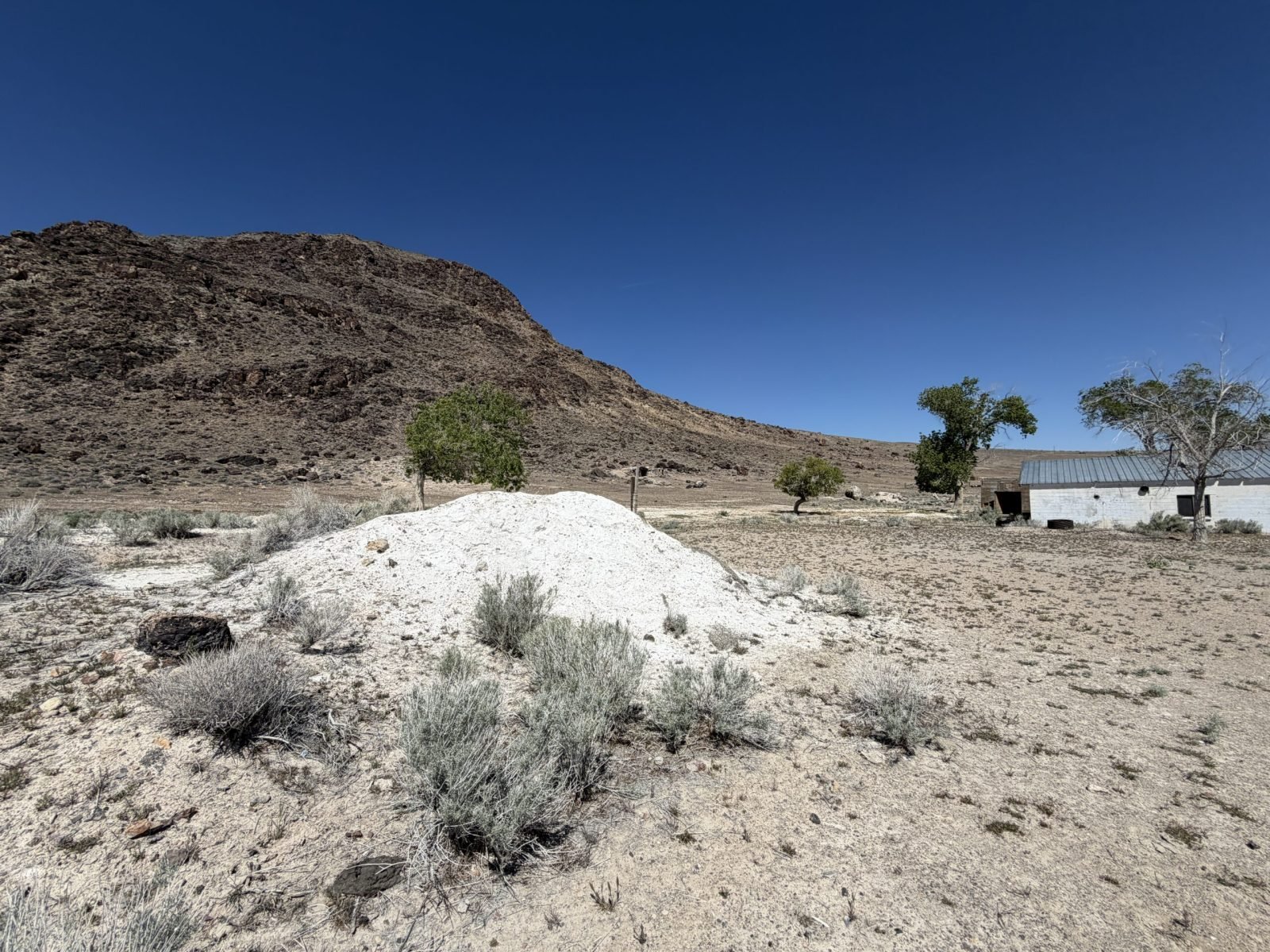
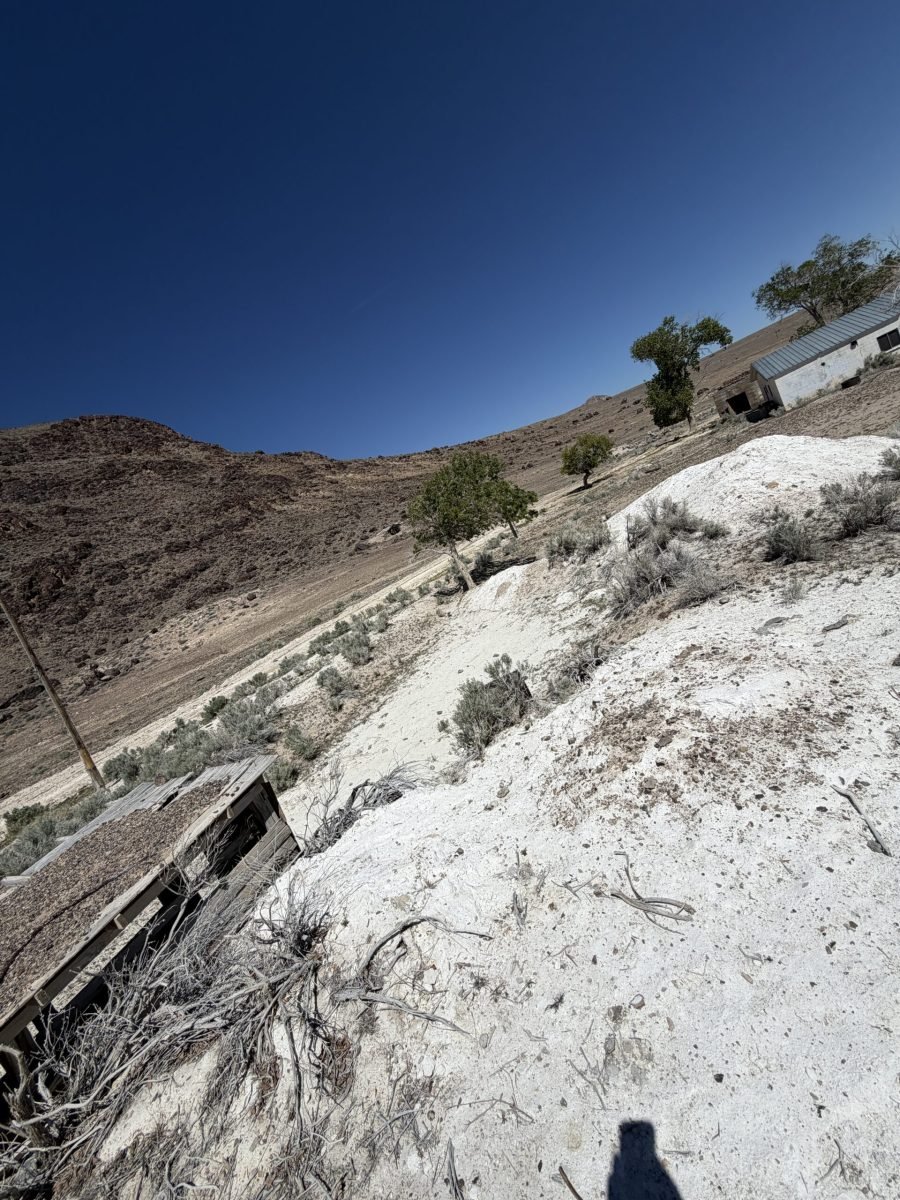
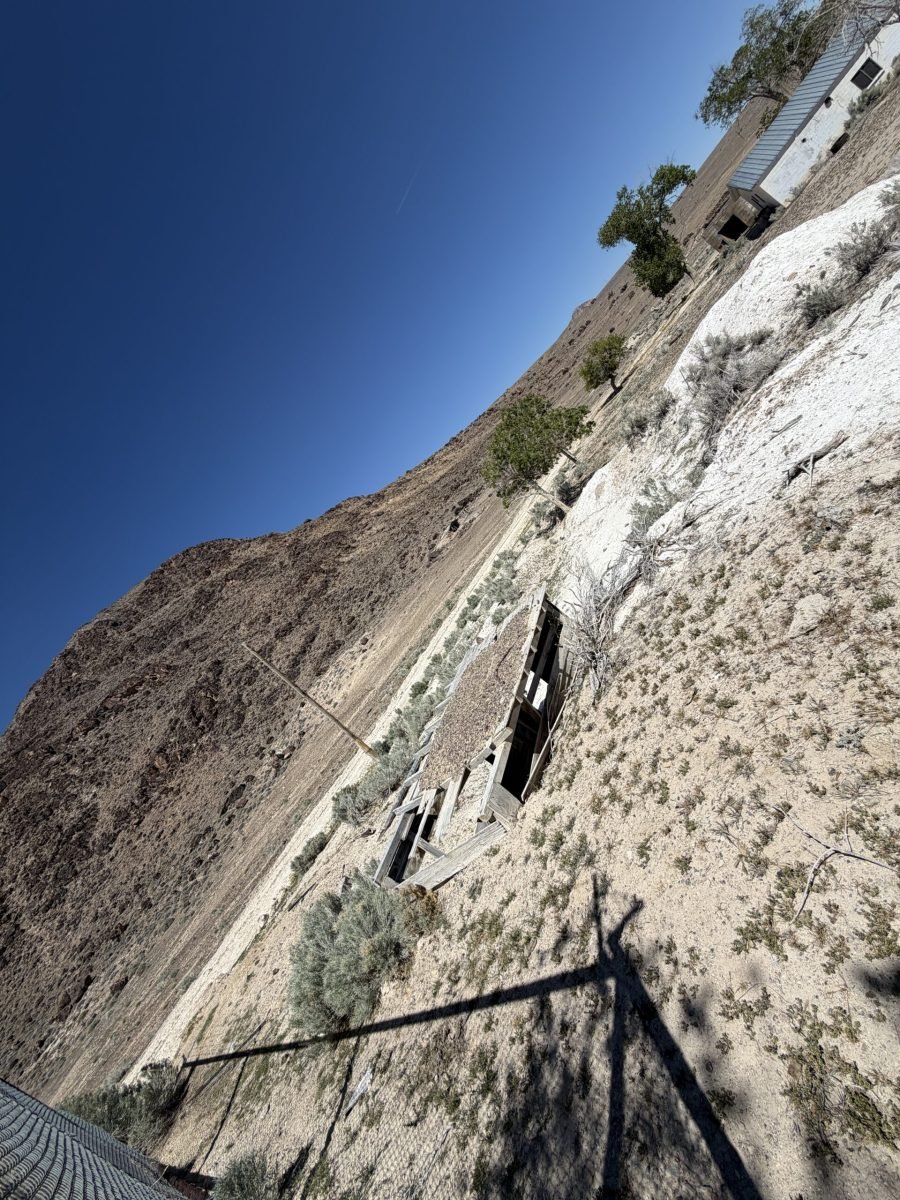
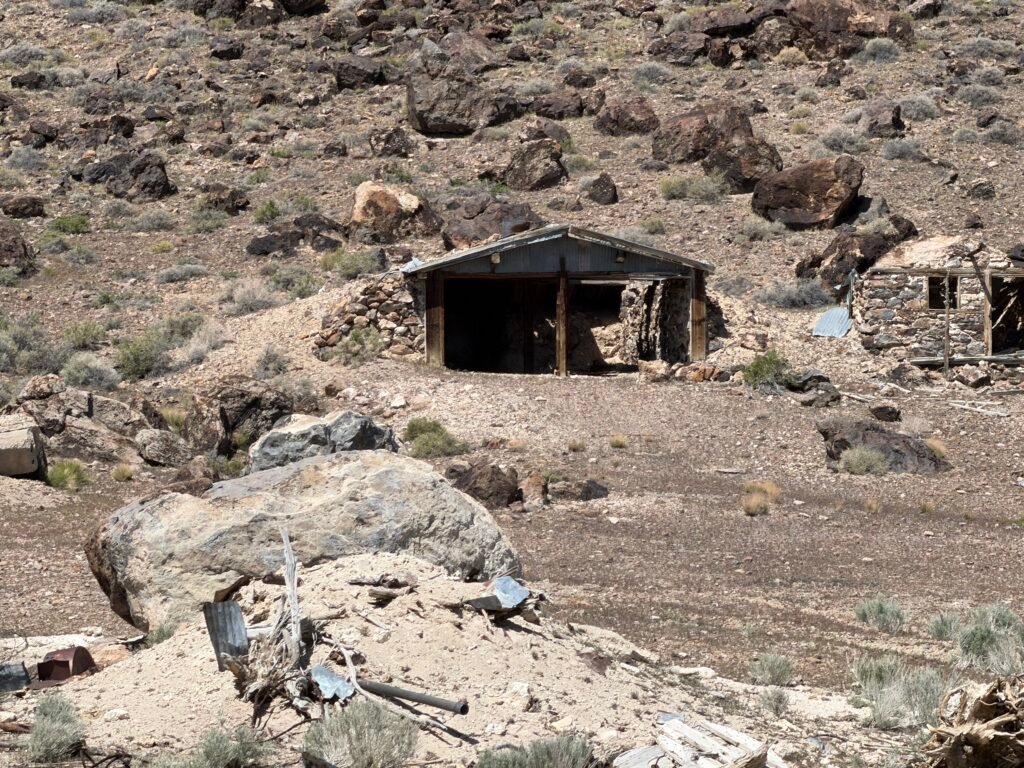
If you pull over and look from a respectful distance, you can still make out the shape of the old place. Two-stone buildings are the main anchors. Around them sit scattered ruins, corral remnants, a shed, and the fenced hot spring pool. Water still runs out from the spring area into a small stream, which adds a rare green note to an otherwise dry scene.
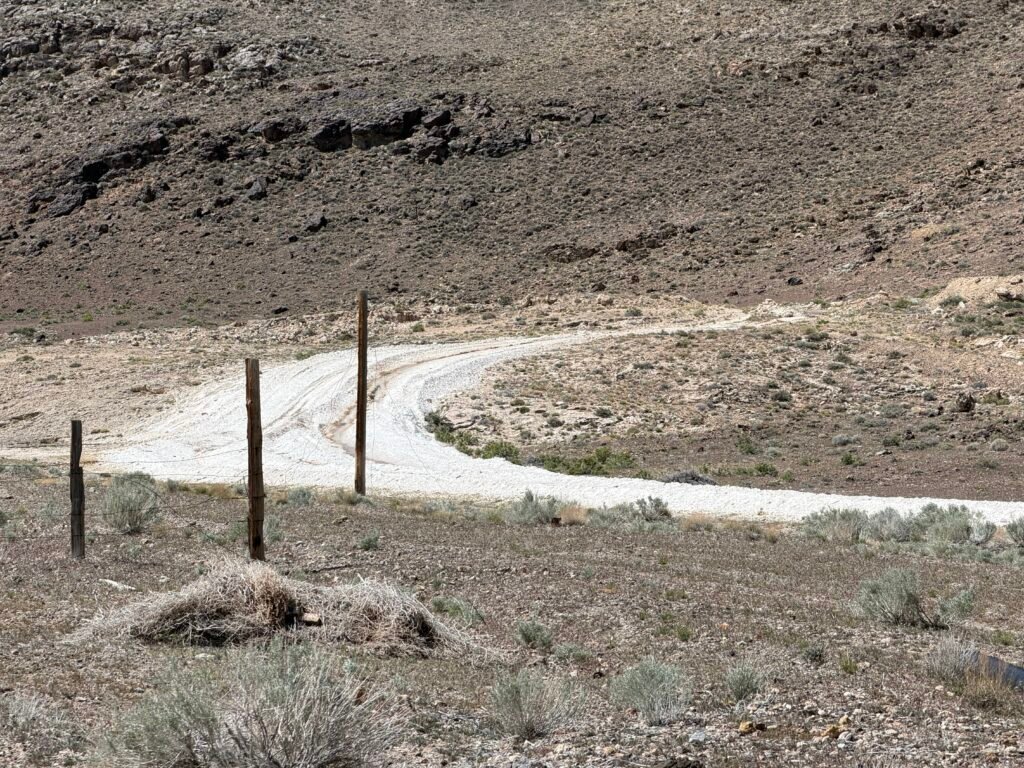
This is a photo stop, not a walk-through attraction. You are there for atmosphere, roadside history, and the plain fact that a forgotten stop still survives in view of a highway.
The stone ruins, corrals, and weathered remains that tell the story
The stone buildings do most of the storytelling. Their walls hint at shelter, storage, and daily work. Nearby remains suggest animal handling, ranch use, and the slow business of keeping travelers moving across hard country.
Nothing looks polished. That is part of the power. The ruins are worn down, sun-bleached, and half-swallowed by the basin. Yet they still point back to the tasks that once filled the place: feeding teams, housing travelers, and keeping a remote stop alive.
What feels haunting, and what is just plain fragile
Warm Springs has a ghost town mood, no doubt about it. The silence feels heavy, and the moving water makes the stillness sharper.
Yet old ruins are not romantic in a practical sense. They are unstable, exposed, and easy to damage. Doors, roofs, and walls that look solid in photos may fail under weight or weather. So the best visit is the simplest one: stop, look, take photos, and leave the site as you found it.
Why Warm Springs is a smart side trip from the Extraterrestrial Highway
Warm Springs sits at the western junction of State Route 375, better known as the Extraterrestrial Highway. That alone gives it an edge for road trippers. You can pair UFO-country novelty with real frontier travel history in the same stop.
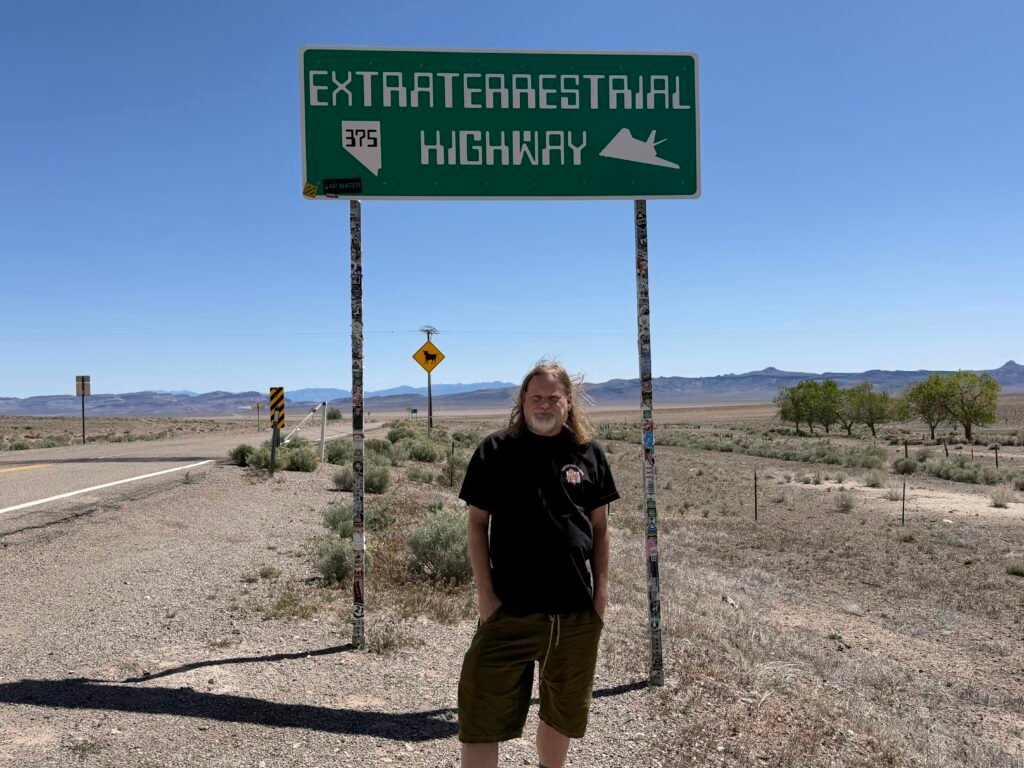
The contrast works well. SR 375 gives you open-road myth, Area 51 lore, and a little roadside weirdness. Warm Springs gives you stone ruins, stage stops, and a much older Nevada story.
Adding a ghost town stop to an Area 51-themed drive
For travelers already bound for Rachel or the famous mailbox lore and gate-road views, Warm Springs is a natural pause. You do not need to build a day around it. A short stop fits the site best.
That is part of the appeal. The ghost town adds texture to the drive because it reminds you that this country had strange reputations long before flying-saucer culture arrived.
How far is it from Tonopah, Rachel, and Area 51 country
Distances stay simple here. Warm Springs is about 50 miles east of Tonopah, which is the best place to fuel up and stock water. It is also roughly 50 miles west of Rachel along SR 375, and around 60 miles from the main Area 51 gate area by road.
Those numbers make Warm Springs easy to fold into a larger drive. If you are already out there, the detour is hardly a detour at all. Recent road-trip accounts, such as this look at Warm Springs as an abandoned hot springs resort, show why the stop keeps pulling people in.
Visitor tips for seeing Warm Springs safely and respectfully
Warm Springs is not a tourist facility. There are no bathrooms, no food, no gas, and no on-site help. Cell service can be weak, and daylight disappears fast in the desert.
Most importantly, the property remains private and posted as of April 2026. Stay outside fences, respect signs, and do not enter buildings or try to use the spring.
Private property, no services, and other things to know before you go
Bring your own water. Fuel up in Tonopah. Check the weather before you head out, because wind, heat, and winter conditions can all change the feel of the stop.
Keep your visit short and low-impact. Park safely, take your photos, and move on. That approach protects both the site and your trip.
Best reasons to stop, and when it may not be worth the detour
Warm Springs is worth it for history fans, photographers, ghost town chasers, and anyone already driving the Extraterrestrial Highway. It is also a good fit if you like roadside places that ask for imagination.
If you expect a hot springs resort, a long museum-style stop, or legal soaking, you will leave disappointed. The site works best when you treat it as a brief, respectful look at an older Nevada that has not fully disappeared.
Warm Springs stays with people because it joins several stories in one place: water in the desert, stage stops on hard roads, and the slow fading of a once-useful stop into one of Nevada’s lesser-known ghost towns.
Go for the history, the lonely setting, and the link to the Extraterrestrial Highway. Bring realistic expectations, and the place makes sense.