Mining History You Can Still See
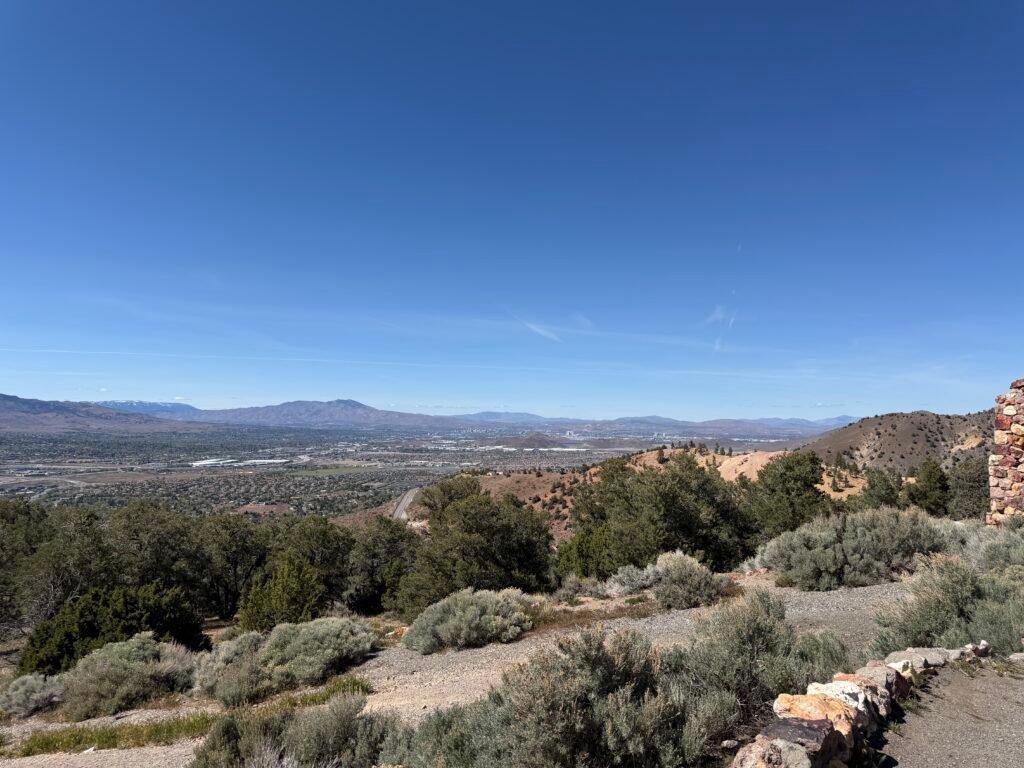
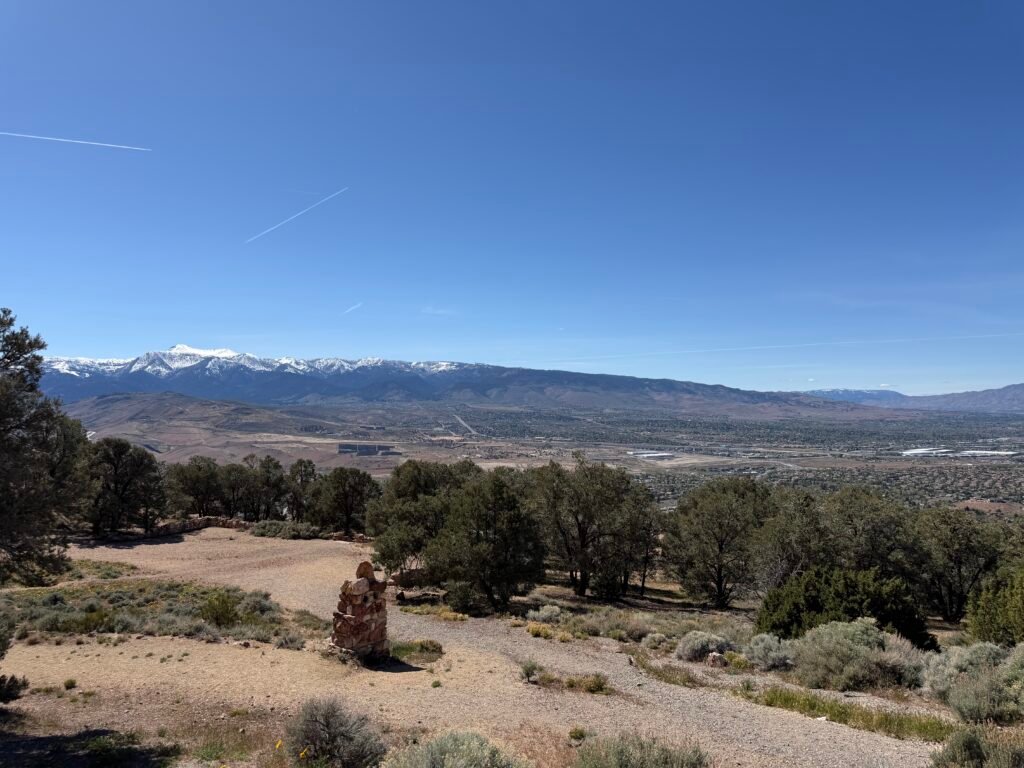
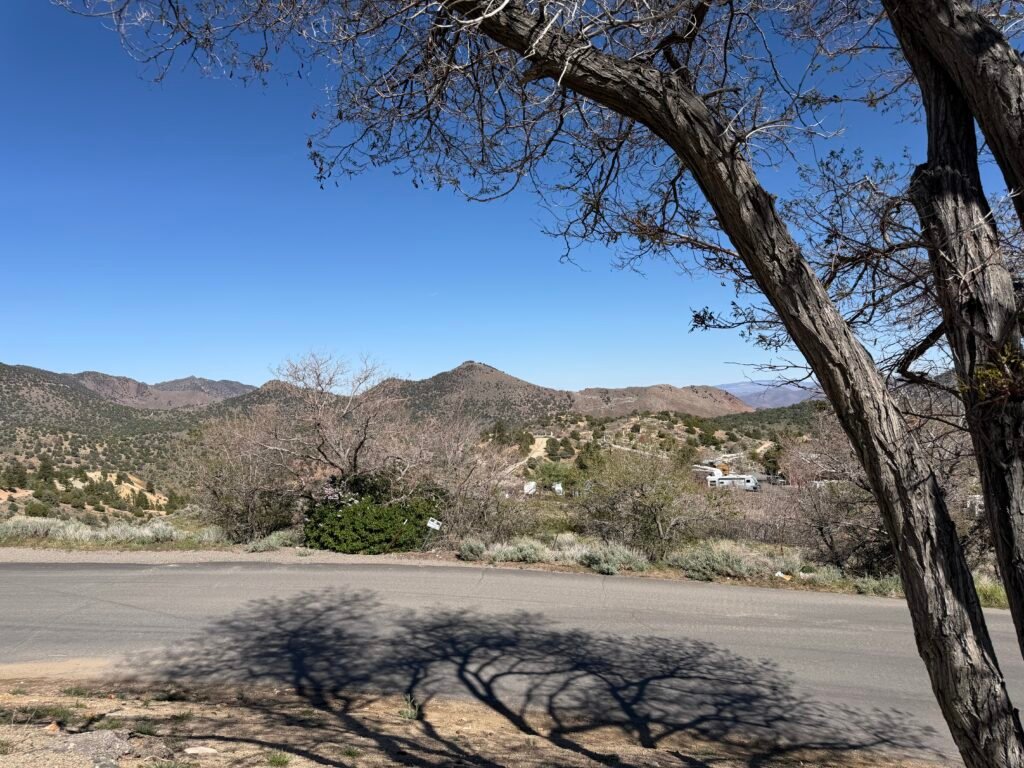
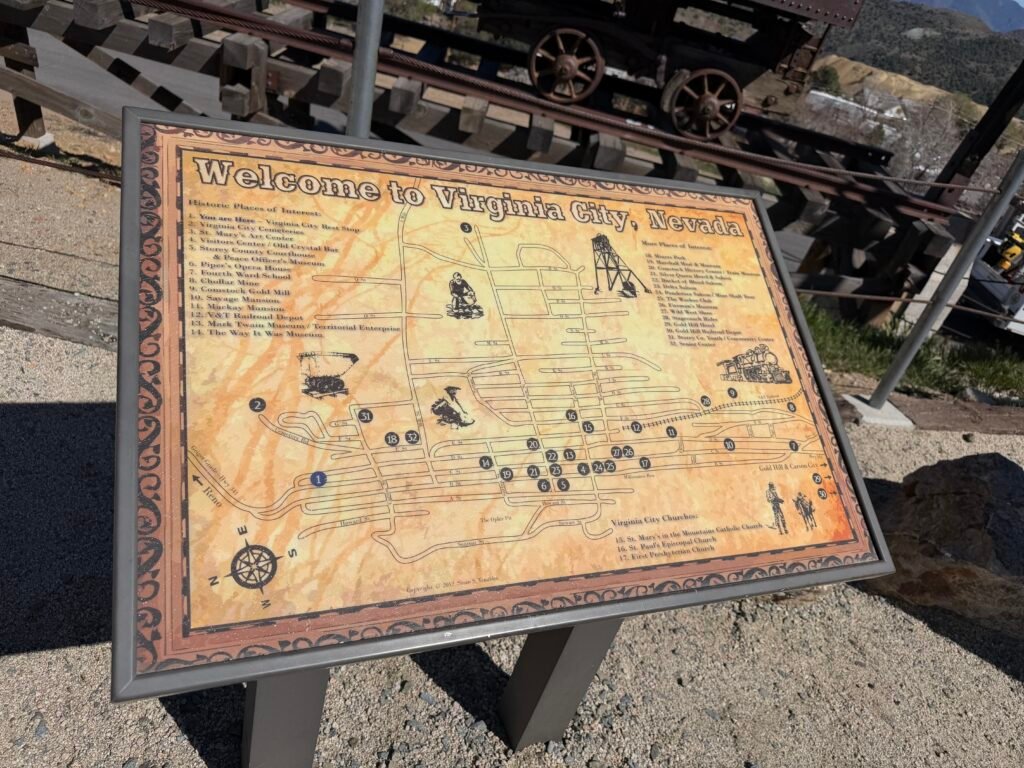
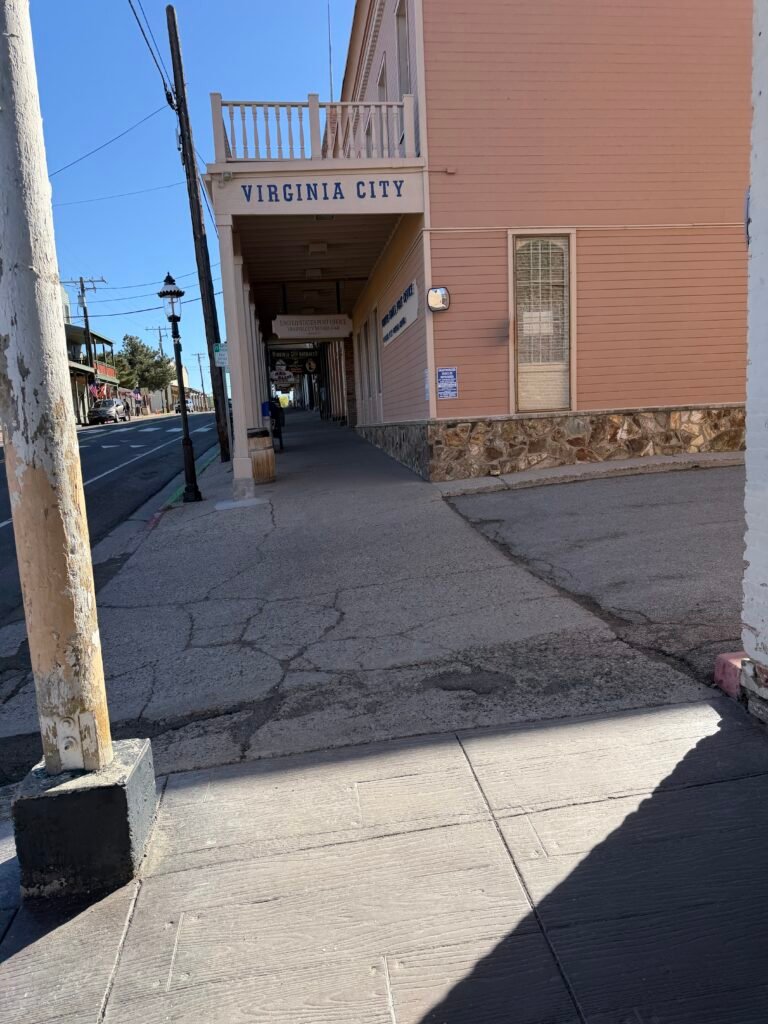
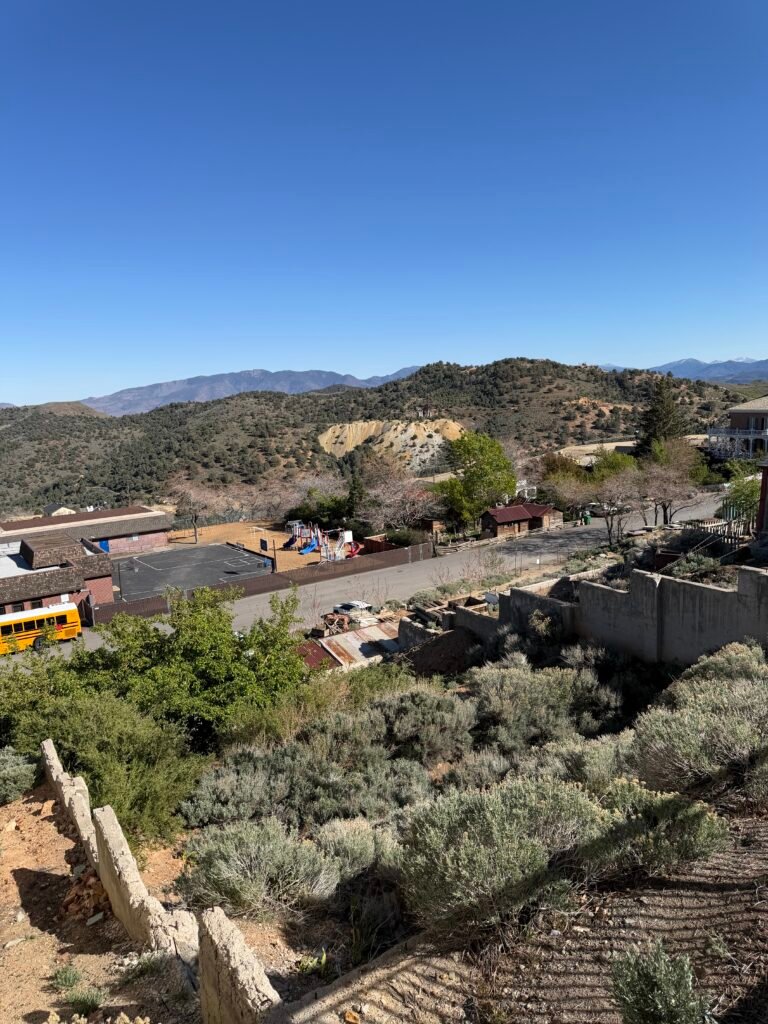
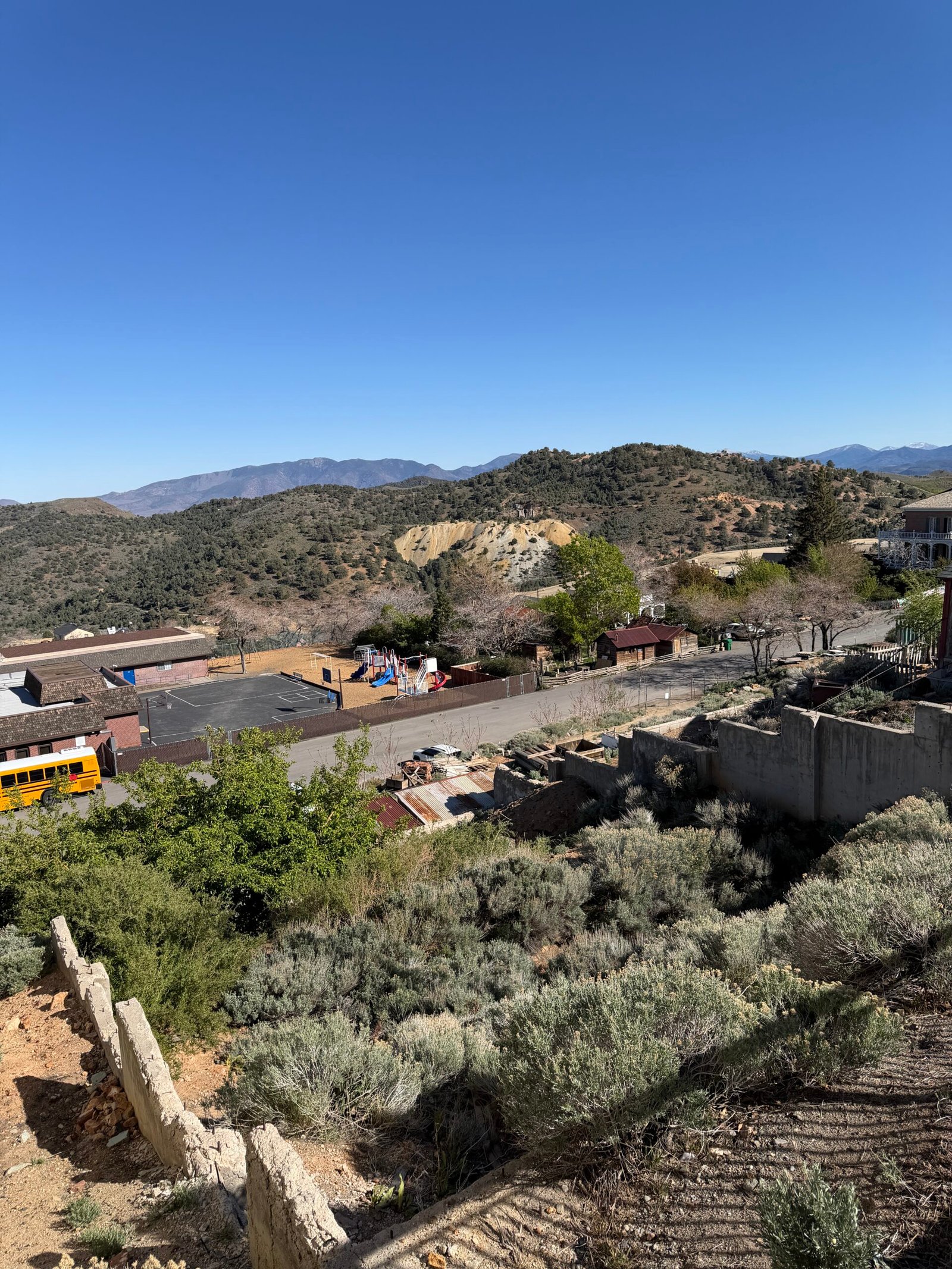
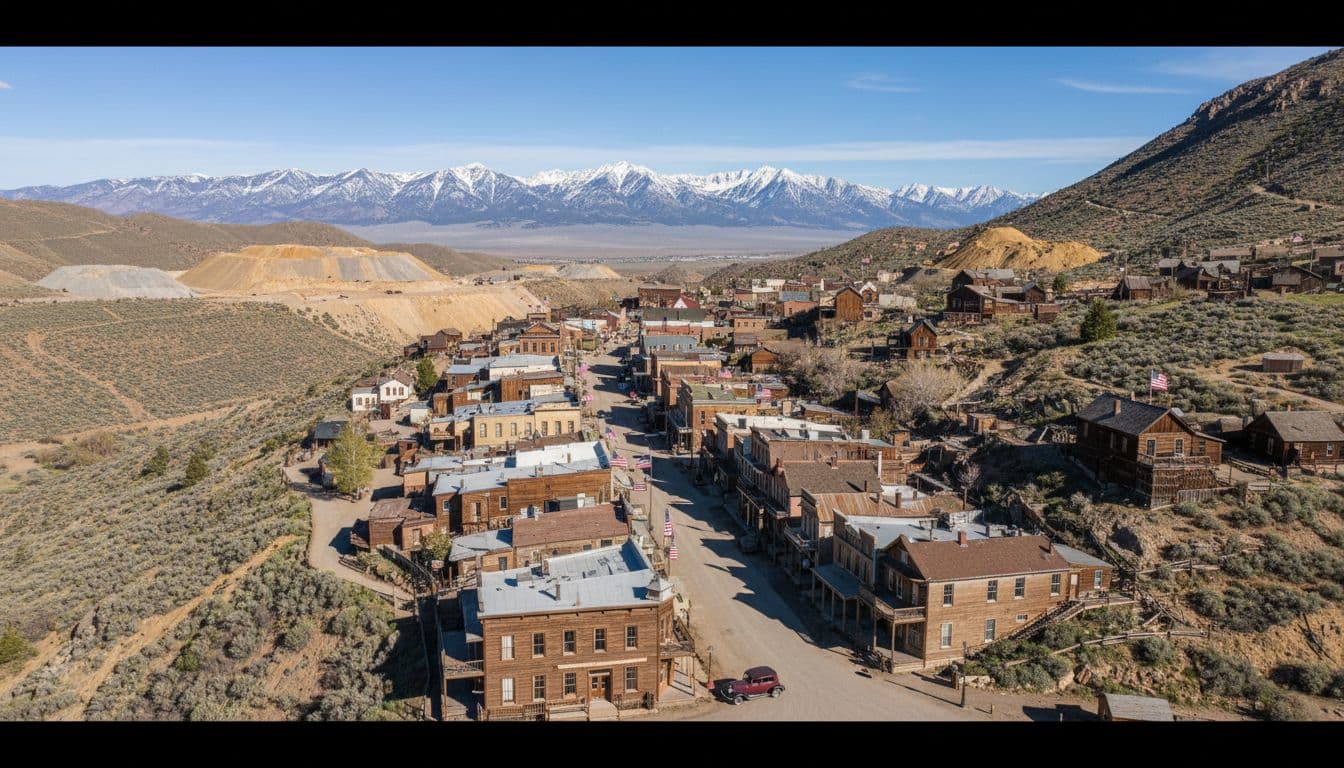
Few towns in the American West wear their past as openly as Virginia City, Nevada. You can feel it in the steep streets, the weathered wood, the pale mine dumps on the hillsides, and the uneasy sense that a fortune might still be hiding under your boots. This historic town is located in the hills approximately 30 minutes outside of Reno.
Its story begins with the Comstock Lode, the famous silver strike that also carried a great deal of gold, and it rippled far beyond one mountain camp. For geologists, rock hounds, and road trippers, Virginia City isn’t only old-time scenery. It’s a place where mining history still sits in plain sight, stubborn as bedrock. To understand why the town still tugs at people, you have to start with the ore.
How Virginia City Became a Boomtown Built on Mining
Virginia City sits on the eastern slope of Mount Davidson, above canyons that first drew prospectors looking for easy gold. That location mattered more than it may seem at first glance. The canyons below carried placer gold, and placer gold brings men with pans, mules, rumors, and poor judgment in equal measure.
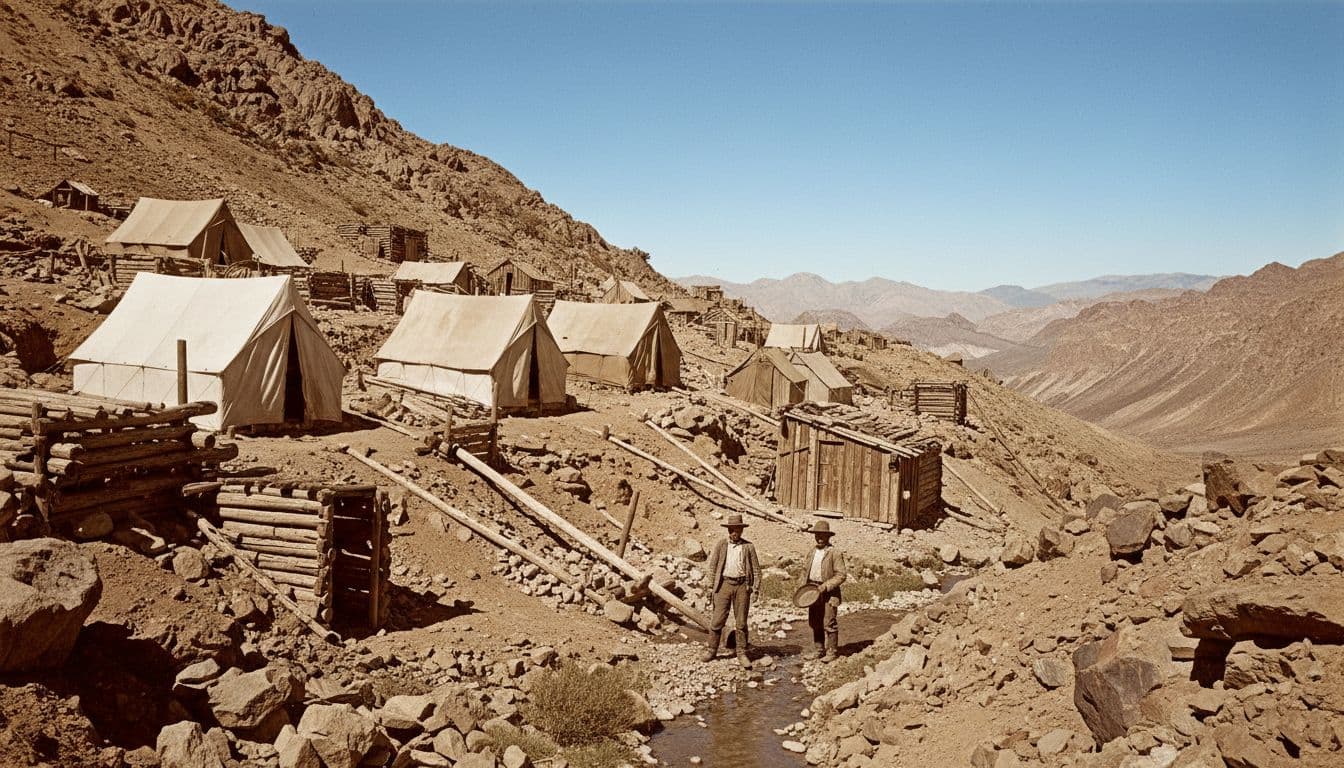
Before the silver headlines, miners were scratching through nearby gulches, especially Gold Canyon, hoping the streambeds would keep paying out. They were after loose gold, the kind you can wash from gravel. But while they worked, a heavy blue-gray material kept getting in the way. Some tossed it aside. Some cursed it. It was ugly, dense, and not what they thought they wanted.
The gold search that led miners to something even bigger
That discarded blue material turned out to be the real story. As miners traced the placer gold toward its source in 1859, they began to realize the troublesome rock was rich in silver, with gold mixed in. A mistake, then a second look, then an assay, and suddenly the whole mountain changed character.
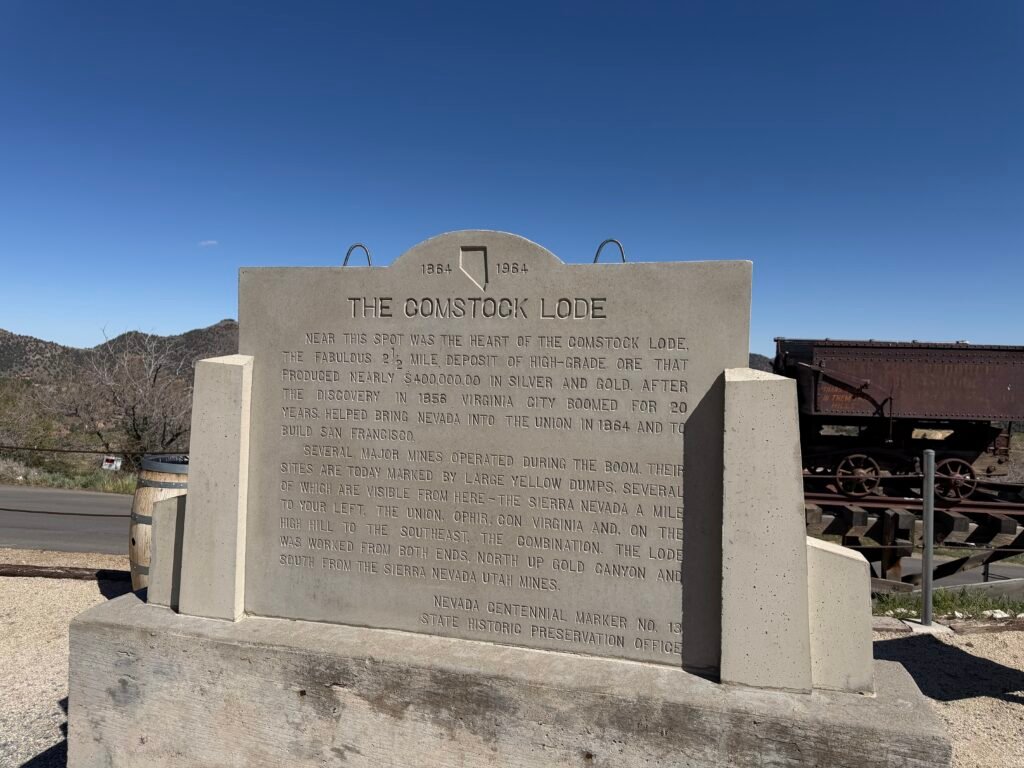
Mining history is full of accidents like this, which is both funny and humbling. Men went hunting for one prize and stumbled into another that was far larger. Near Virginia City, the overlooked ore was tied to what became the Comstock Lode, a deposit so rich that it changed Nevada’s future and grabbed national attention. The Nevada state marker on the Comstock Lode gives a concise picture of how large that ore body was and how many major mines later worked it.
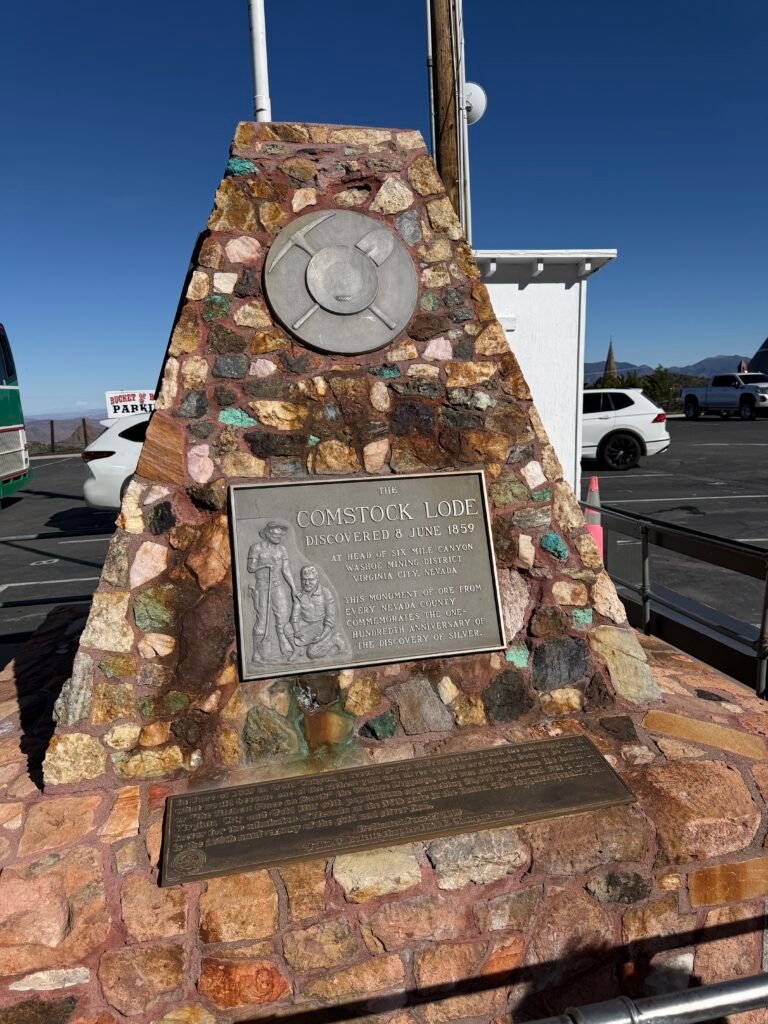
The Comstock Lode turned a rough camp into a rich town
Peter O’Riley and Patrick McLaughlin are usually at the center of the discovery story, and Henry Comstock is never far behind. O’Riley and McLaughlin were working claims near the head of Gold Canyon when the rich ore was identified. Comstock, who had a gift for attaching himself to a promising claim, ended up with his name on the lode. History is not always fair, and mining camps were not known for paperwork with saintly precision.
Once assay results showed how valuable the ore was, people poured in from California and beyond. A rough camp began turning into Virginia City almost overnight. Local tradition says the town took its name from James “Old Virginny” Finney, a miner whose nickname outlived him in the map itself. That detail feels fitting somehow, a little ragged, a little boozy, and very Western.
The History That Made Virginia City One of Nevada’s Most Important Places
Virginia City was never just a lucky strike on a hillside. The money pulled from the Comstock helped shape Nevada’s economy, pushed investment into mining infrastructure, and fed a national hunger for precious metal during the Civil War era. When Nevada entered the Union in 1864, the wealth coming from the district mattered. Silver and gold could steady banks, back government needs, and attract political attention in a hurry.
If you only think of the place as a tourist town with boardwalk charm, you miss the scale of the thing. This was one of the great mining stories in the United States, and it had effects far outside Storey County. The Britannica overview of the Comstock Lode captures that bigger frame, including its tie to Nevada statehood and the wider national economy.
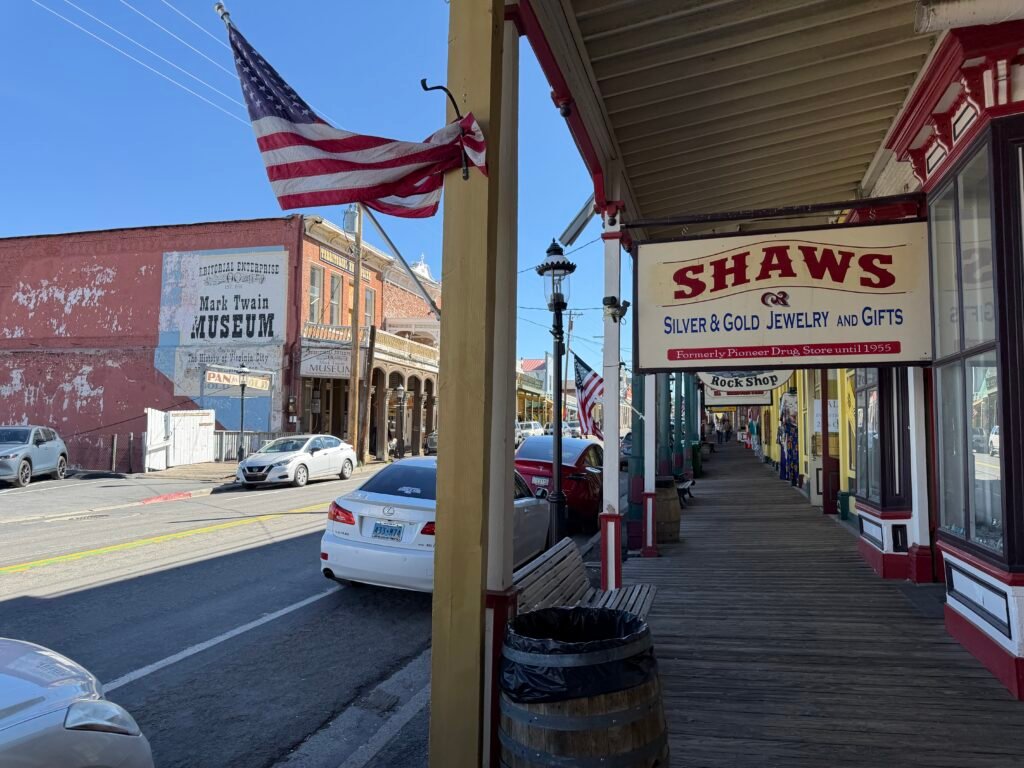
Fast growth, big money, and life in a crowded mountain town
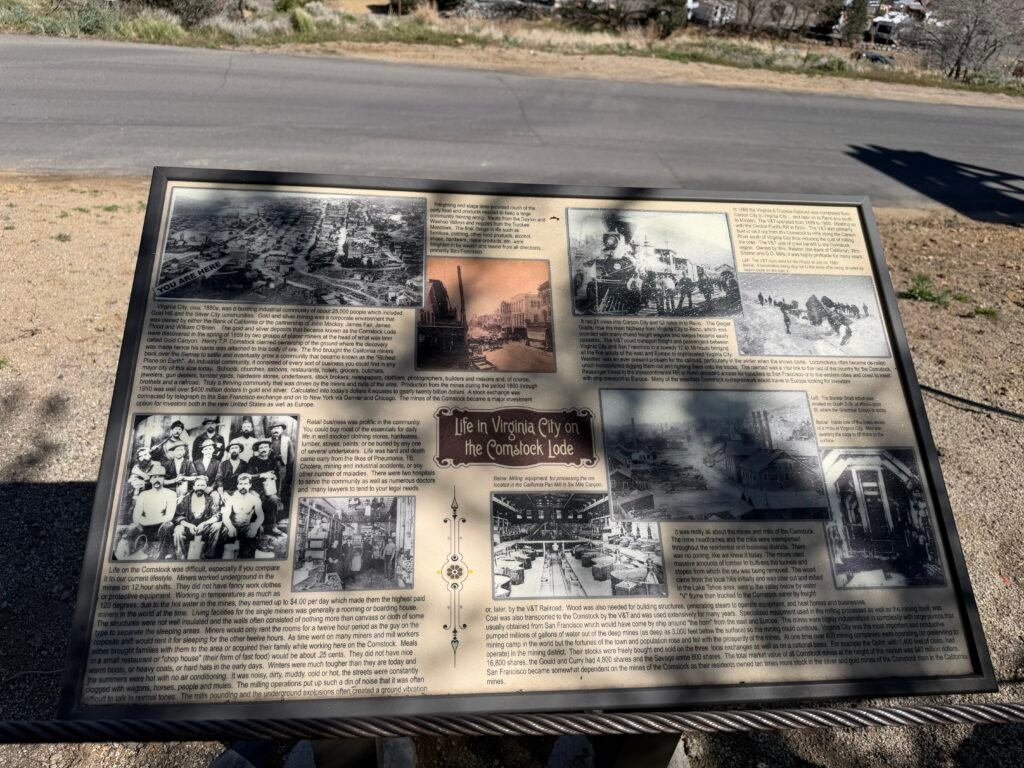
At its peak, Virginia City had around 25,000 people, which sounds almost improbable when you’re standing there now, looking at the slope and wondering where they all fit. Yet the town swelled with miners, merchants, stock speculators, teamsters, mill workers, saloon owners, and every other soul who thought ore might bring a better life.
It was crowded, noisy, and steep. Ore moved out, supplies moved in, and money changed hands at a feverish clip. Beneath the grand stories of sudden wealth, daily life could be rough: dust, mud, smoke, winter cold, fire risk, and the plain fact that mountain towns do not flatten themselves for your convenience.
New mining methods helped miners go deeper underground
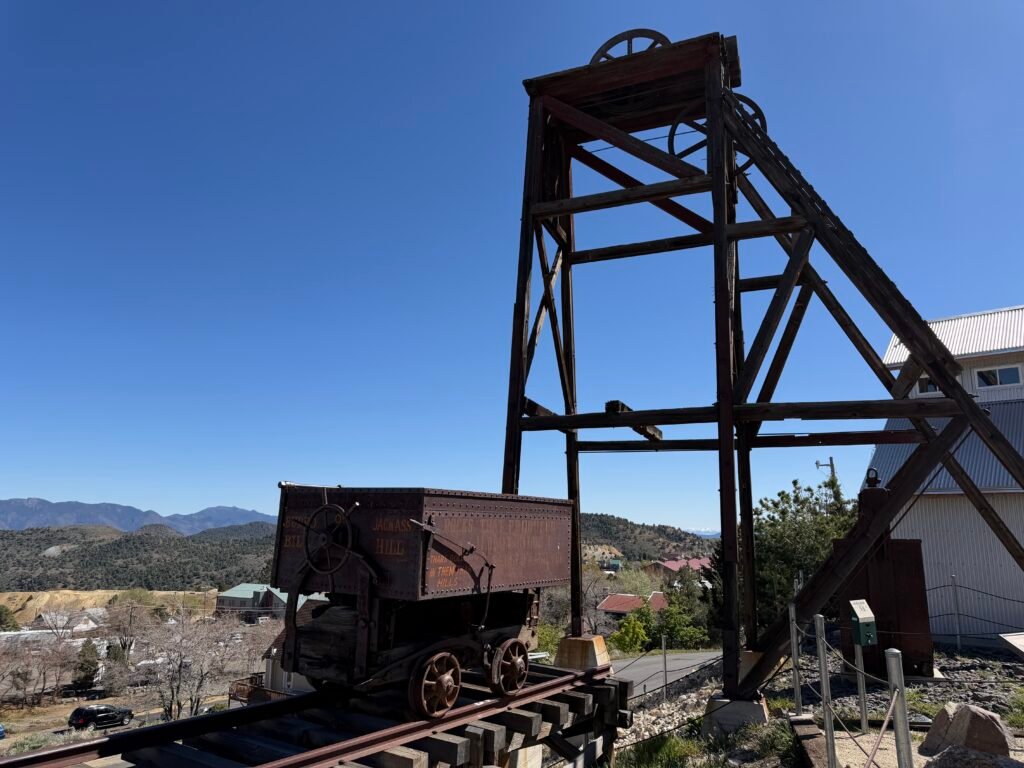
The ore near Virginia City was rich, but it wasn’t easy. Much of the ground was unstable, and miners needed a way to work large underground spaces without being crushed by the mountain. That need helped drive one of the district’s most important advances, square-set timbering.
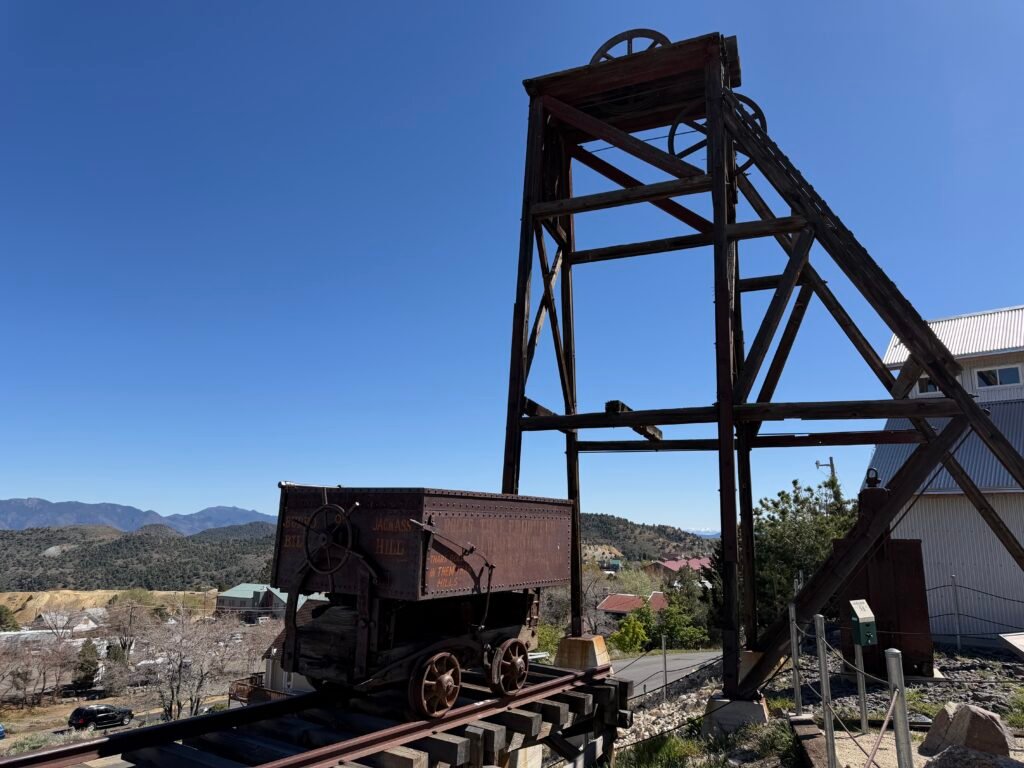
Square-set timbering was a wooden support system built like a series of box frames underground. Think of a three-dimensional grid, timber stacked with intention rather than hope. It let miners work deeper and wider in weak ground, and it became one of the major technical contributions of Comstock mining.
Square-set timbering looked almost simple on paper, but underground it meant the difference between access and collapse.
For people who care about geology and old mining methods, that matters. Virginia City was not only rich. It was a place where mining had to get smarter.
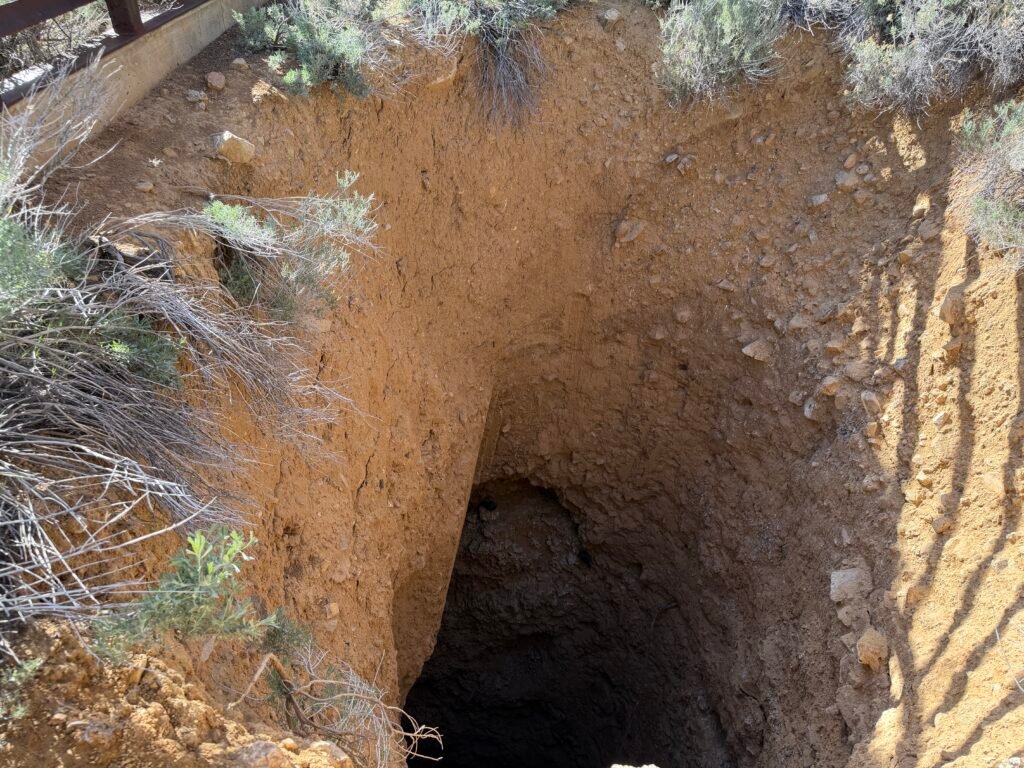
The Gold and Silver Mines That Defined Virginia City
Talk about Virginia City long enough, and the mines start sounding like characters in a novel, each with its own temperament and rumor trail. Some produced steadily. Some flared hot. A few entered legend.
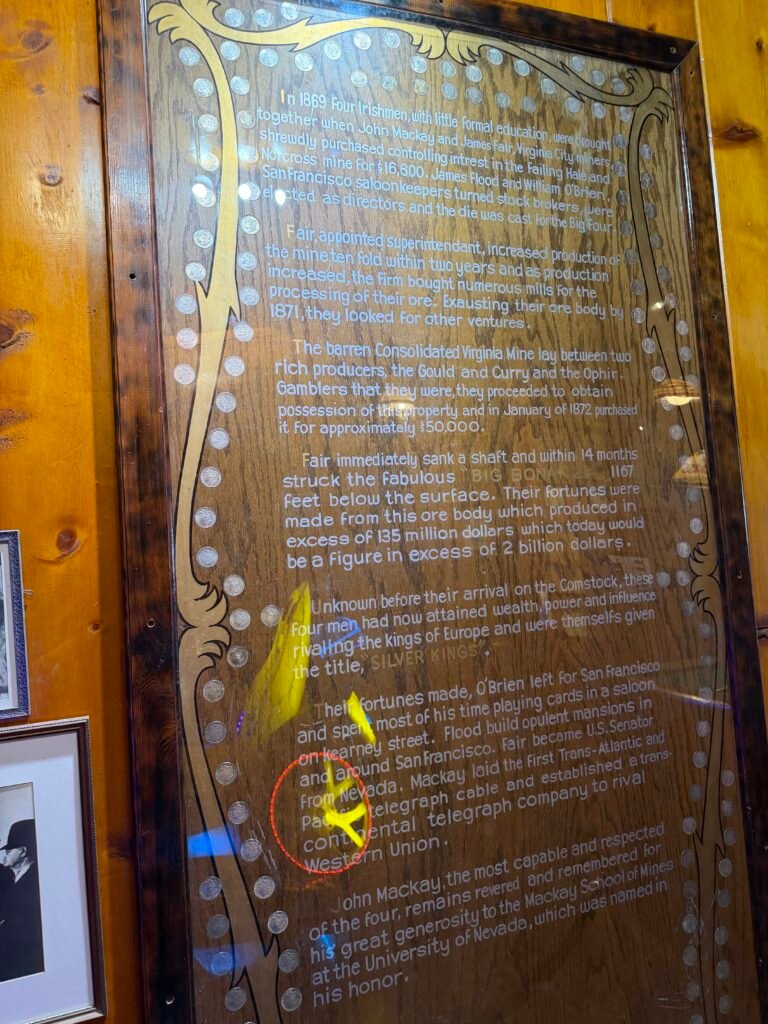
Among the best known was the Consolidated Virginia Mine, a name tied forever to the Big Bonanza of 1873. This was not a modest discovery. It was a huge body of rich ore that made enormous fortunes and pushed Virginia City into worldwide fame. The strike helped create the “Silver Kings,” including John Mackay, whose rise from miner to millionaire had all the rough sparkle people wanted from Western legend.
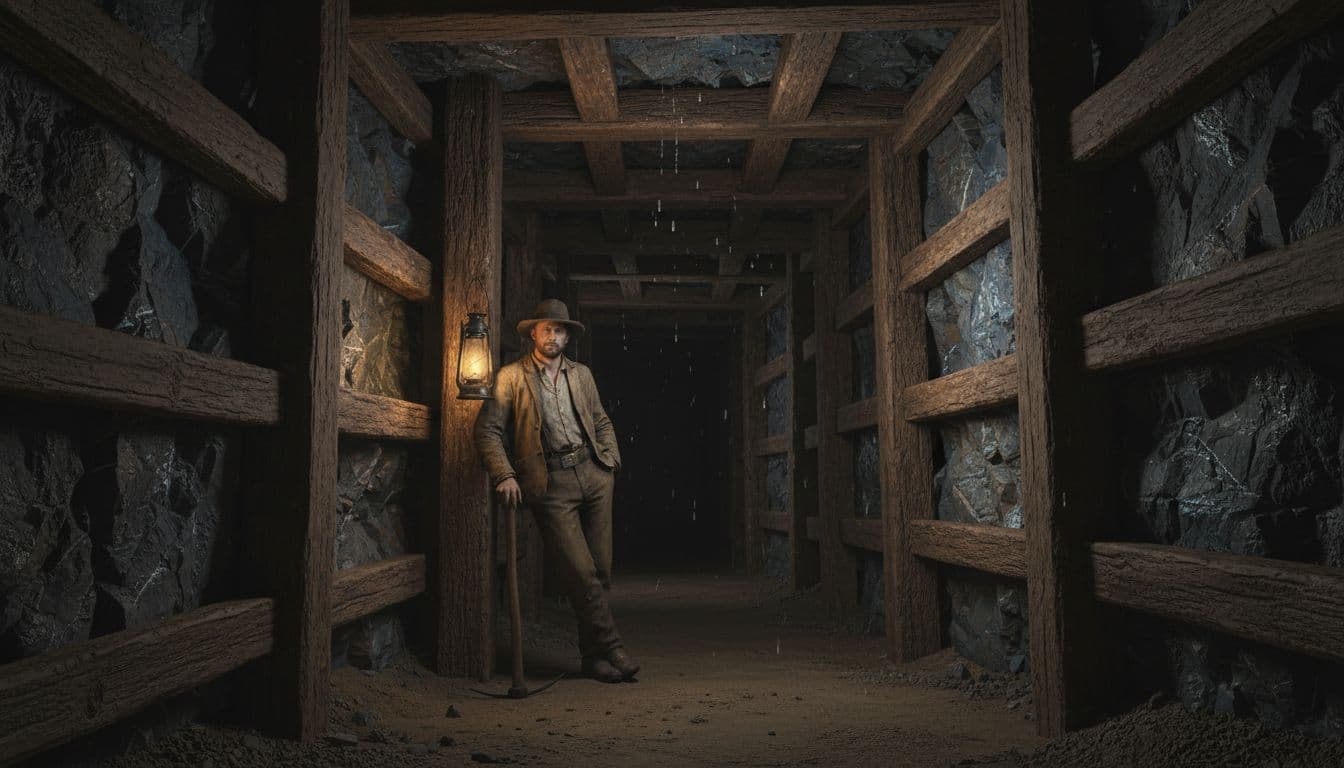
Consolidated Virginia Mine and the Big Bonanza
The Big Bonanza was a massive ore body found in the Consolidated Virginia and California mines. It produced staggering amounts of silver and gold, and it fed the image of Virginia City as the place where mountains coughed up money. Of course, mountains never cough politely. The work stayed dangerous, hot, and expensive, but the returns were so large that investors and newspapers couldn’t look away.
That bonanza also fixed Virginia City in the public imagination. It wasn’t merely another camp. It was the camp, the one that seemed to prove the West could still spring a surprise on anyone. For a grounded local account, this Comstock history page is useful, especially on the early discovery story and the naming of the town.
Chollar Mine and what visitors can still learn underground
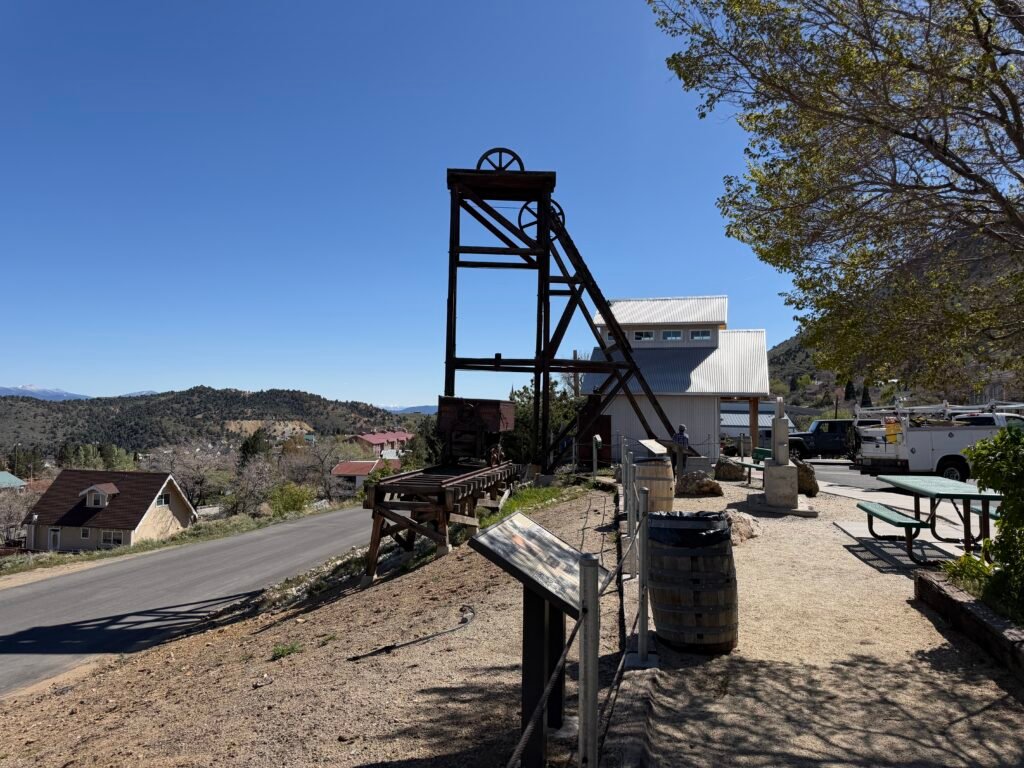
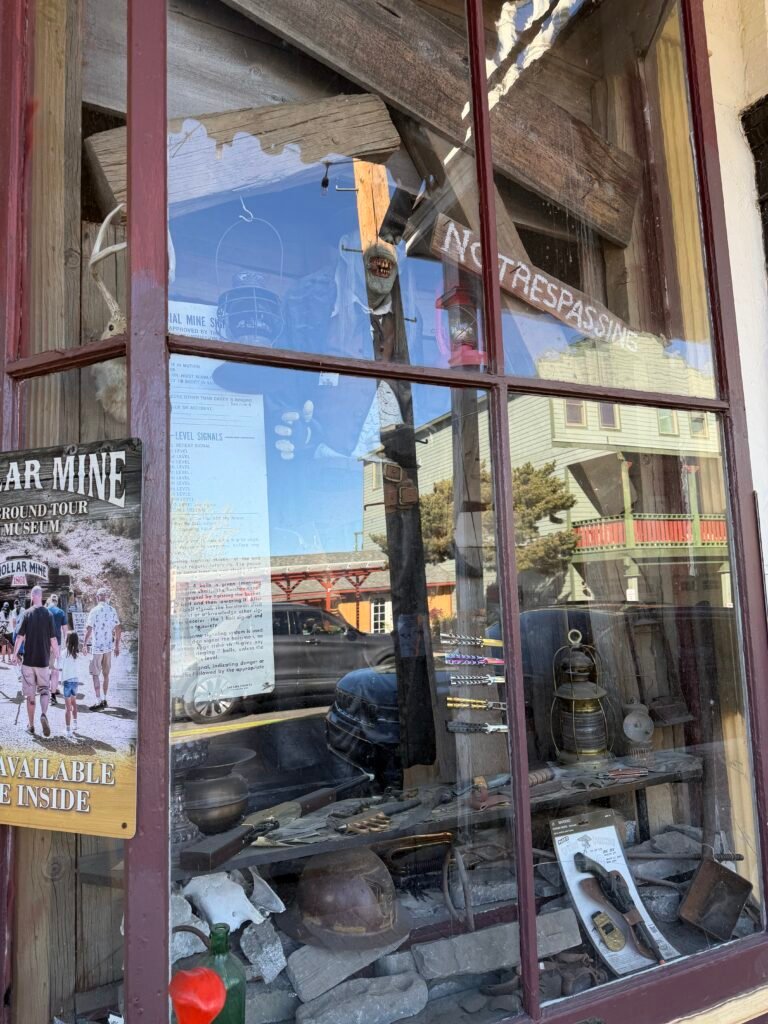
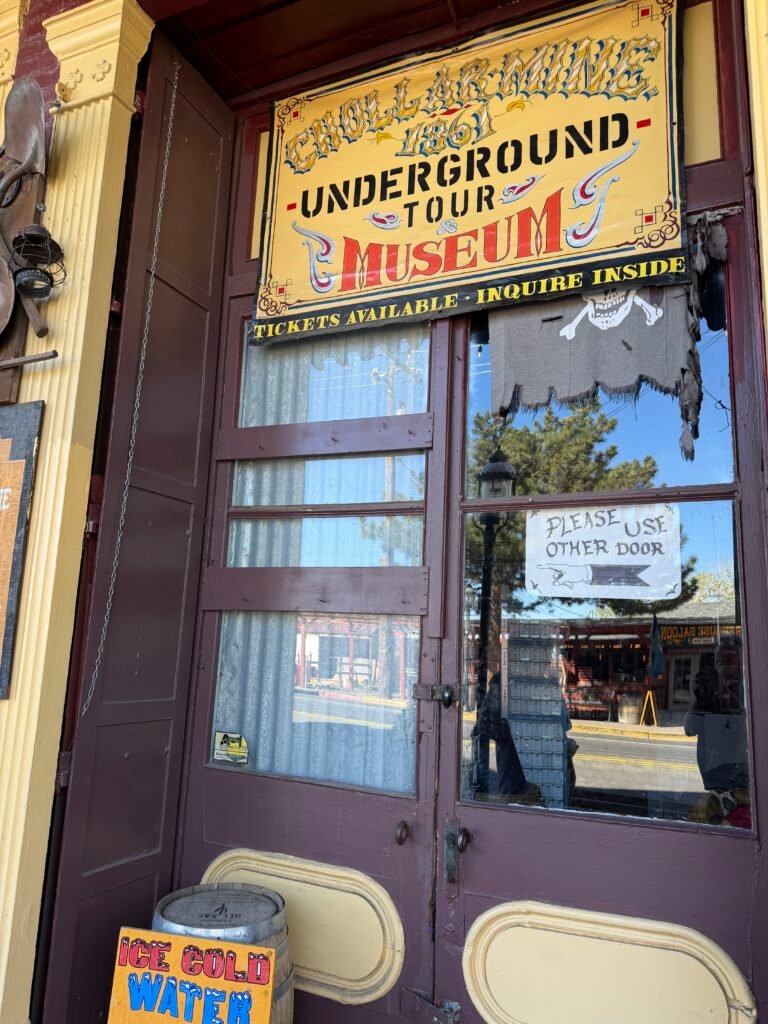
If the Consolidated Virginia Mine tells the story of giant output, the Chollar Mine gives visitors something more tactile. It lets you go underground and feel, at least in outline, what Comstock mining demanded from the body and nerves. You can see veins in rock, timber supports, shafts, tools, and the cramped logic of working below the surface.
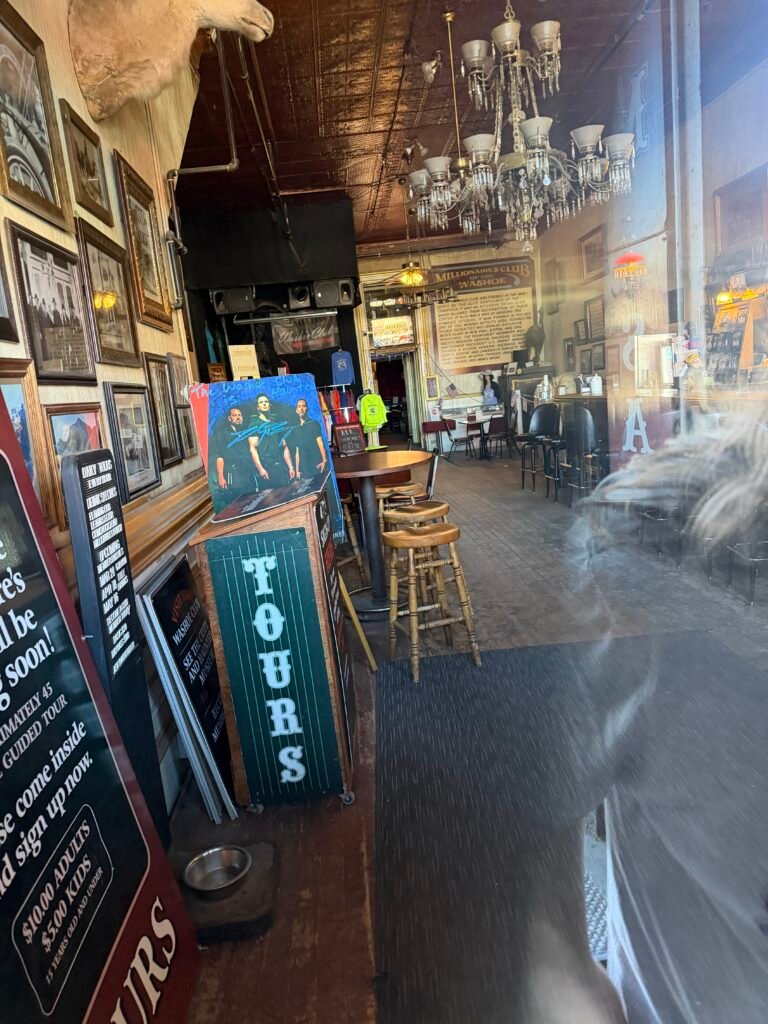
That kind of visit matters because mining history can grow abstract when it’s reduced to figures and famous names. A mine tour restores the scale of a human shoulder against a tunnel wall. As of April 2026, Chollar Mine Tours are still one of the main underground experiences in town, with seasonal daily tours listed and group visits available with notice. The Ponderosa Mine Tour is another current option, and together they give visitors a rare chance to compare preserved workings rather than only read about them.
For rock hounds, the appeal is obvious. Ore textures, altered rock, dump material, timbering, drainage, and the shape of old workings all tell a story if you know how to look.
Why Virginia City Is Still Worth Visiting Today
Most boomtowns fade into a few stones and an old map. Virginia City had its decline, yes, but it held onto enough of itself to remain legible. The mines slowed, the population fell, and the frenzy burned off, yet the town never lost its mining bones.
That is why it still works as a destination. You are not walking through a polished fantasy version of the West. You are walking through a place where the ground below and the buildings above still argue with one another.
What happened after the boom years ended
After the late 1870s, ore production dropped from its peak, and the town began to shrink. That is the plain version. The fuller version is more melancholy: fewer jobs, fewer investors, quieter streets, less reason for new arrivals to endure the mountain’s rough edges.
Still, Virginia City did not vanish. It changed from a booming mining center into a smaller town that kept its identity close. Old buildings stayed. Stories stayed. So did the evidence in the hills.
Best reasons to go now, from mine tours to mountain views
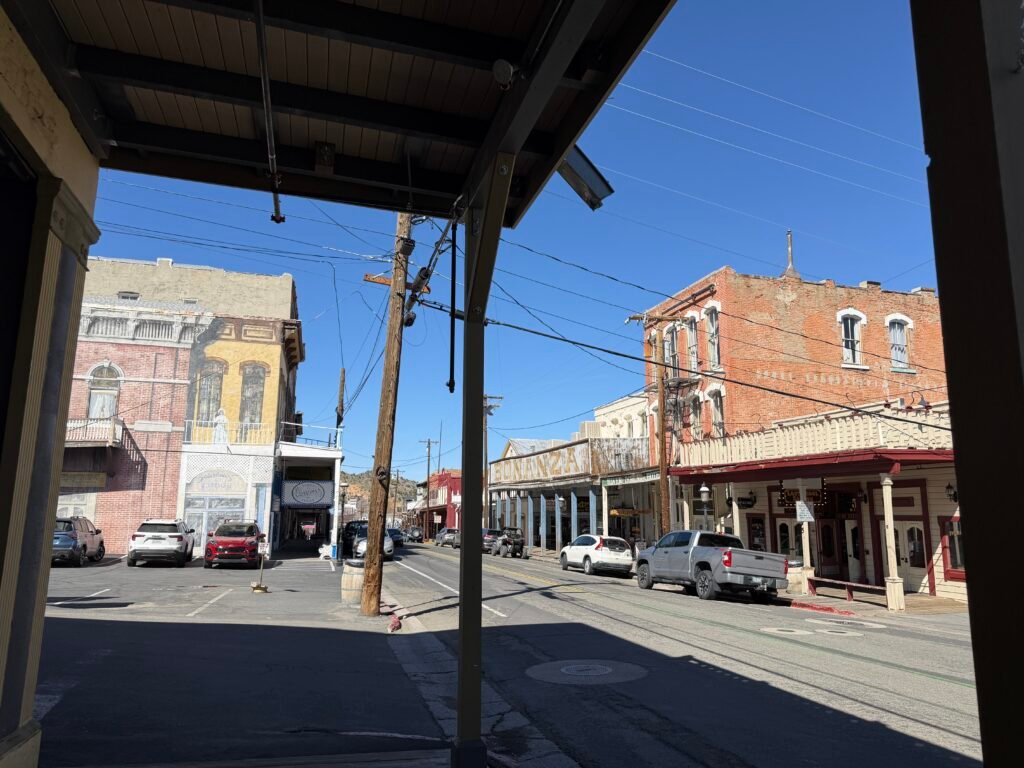
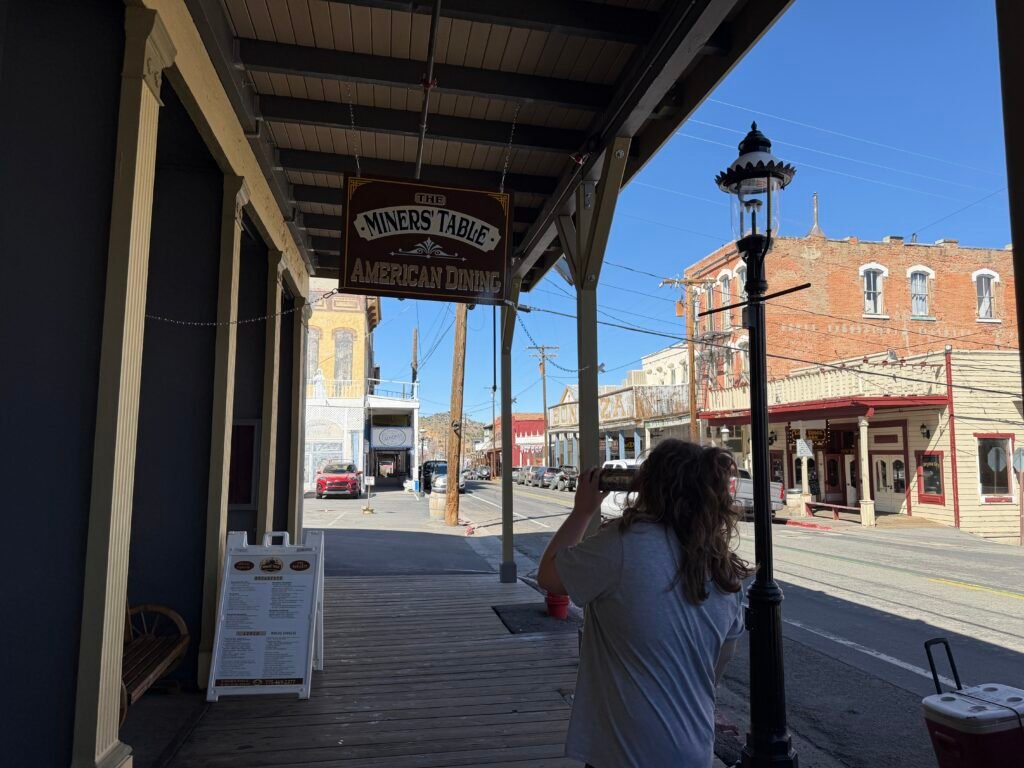
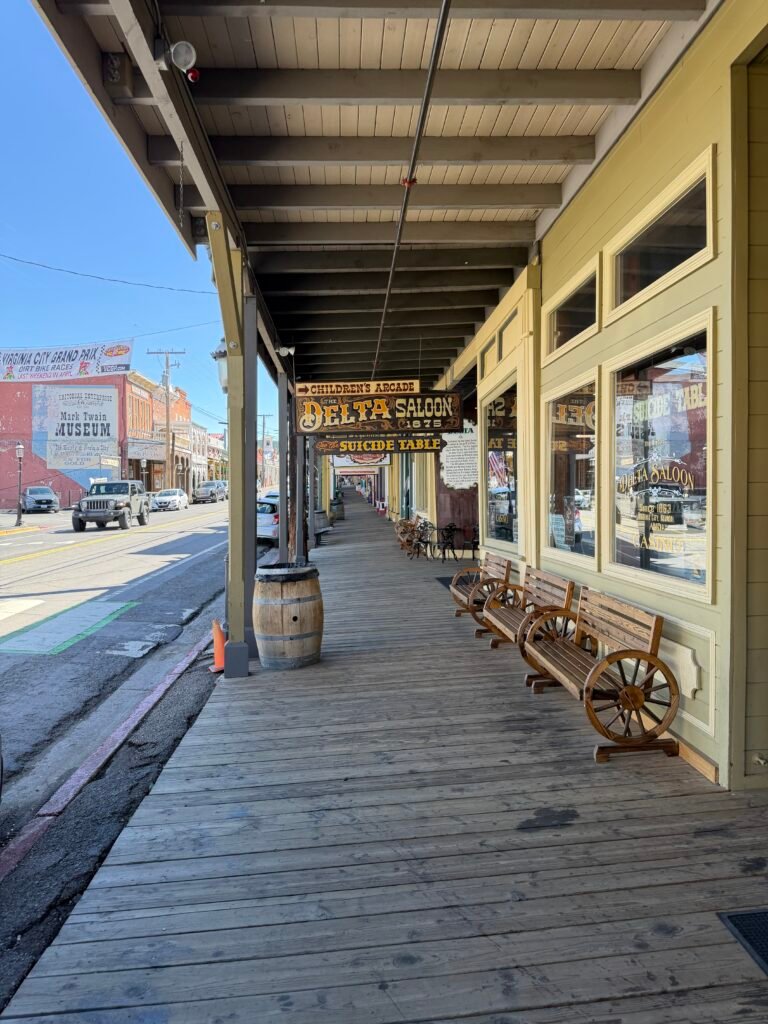
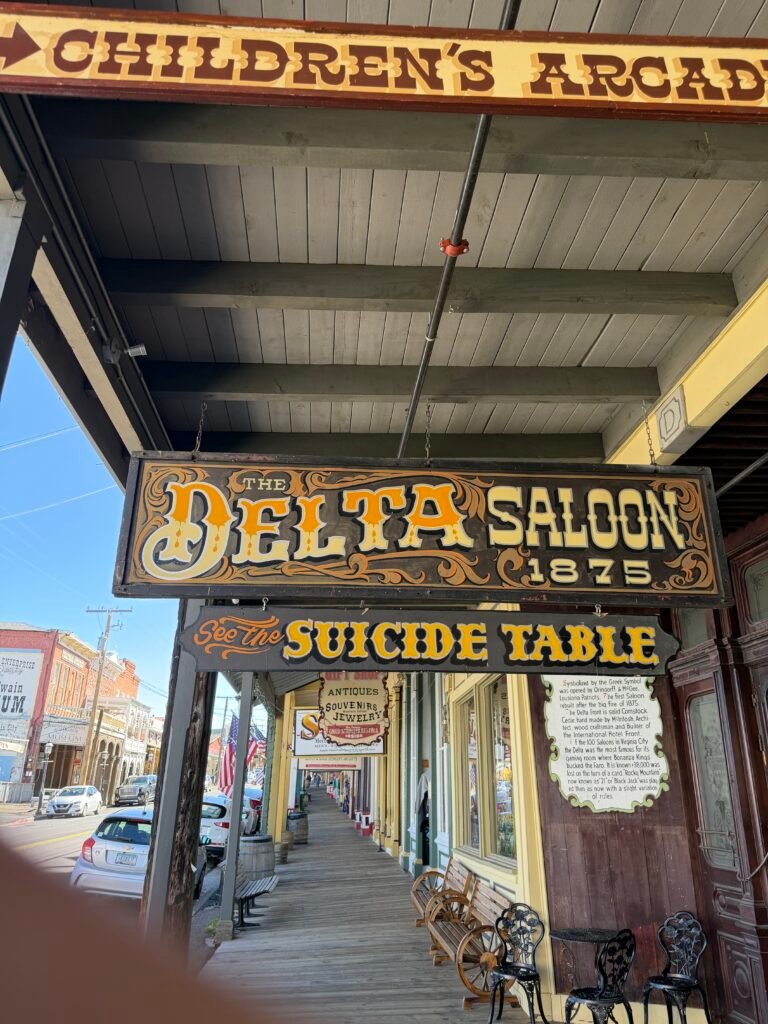
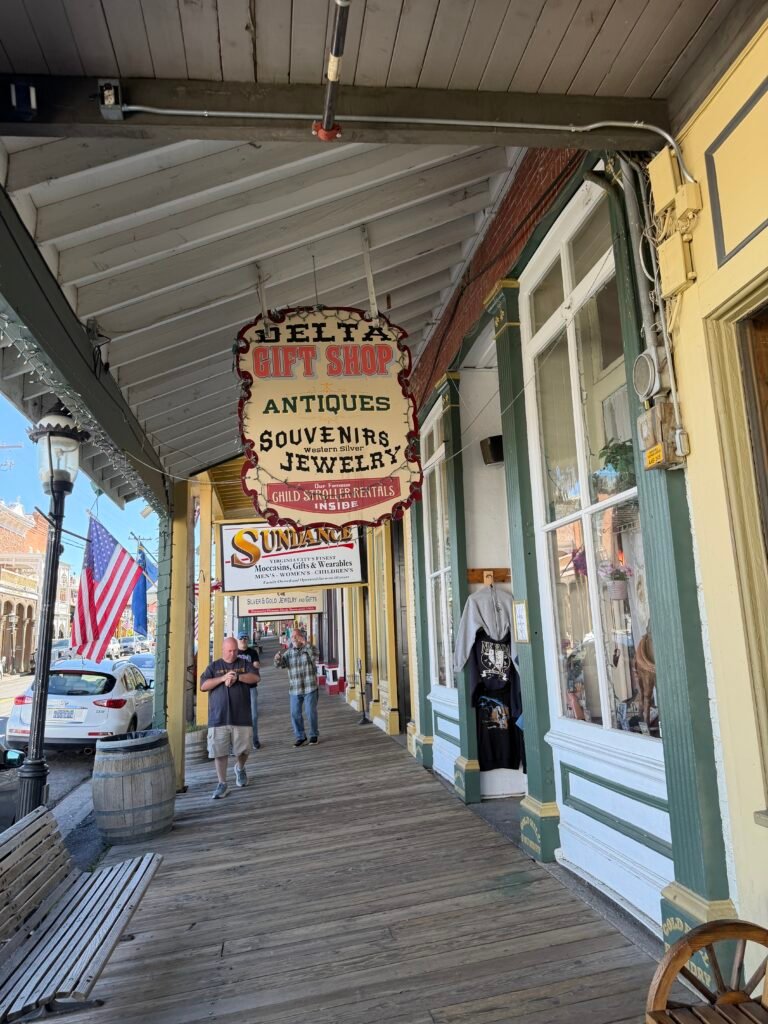
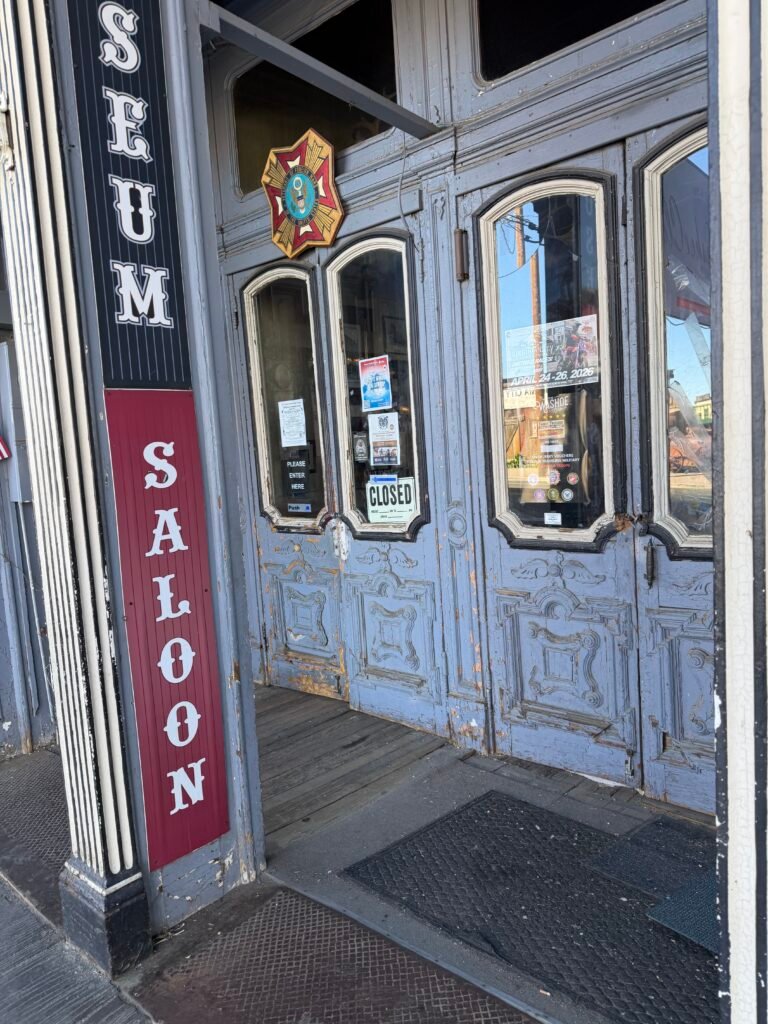
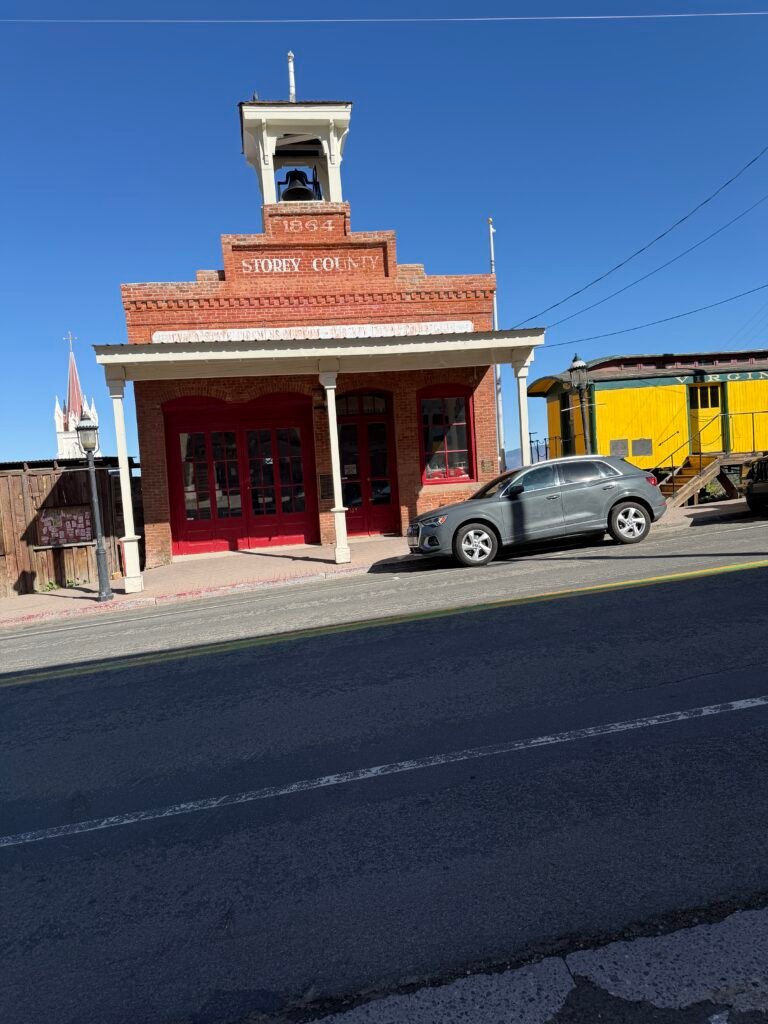
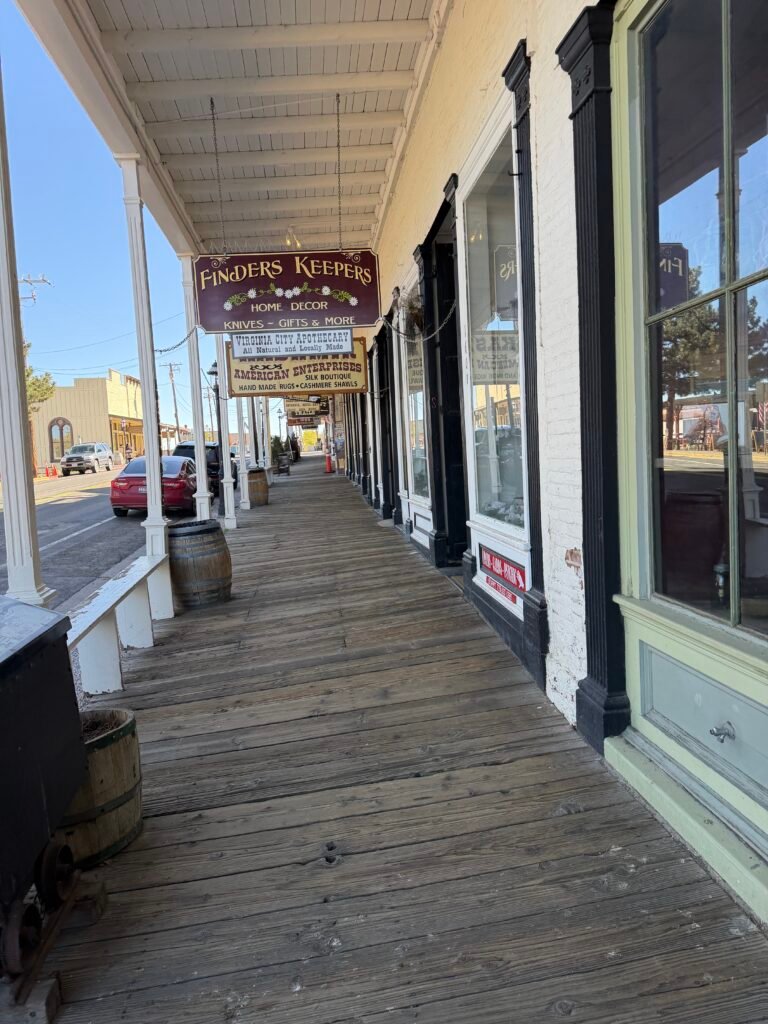
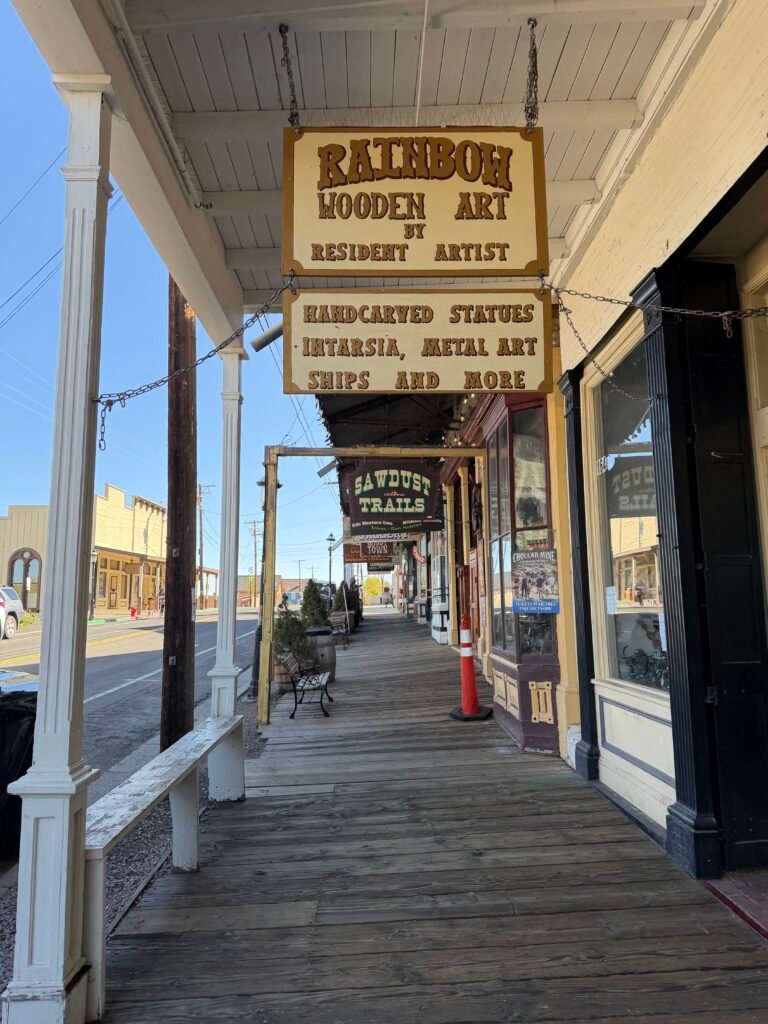
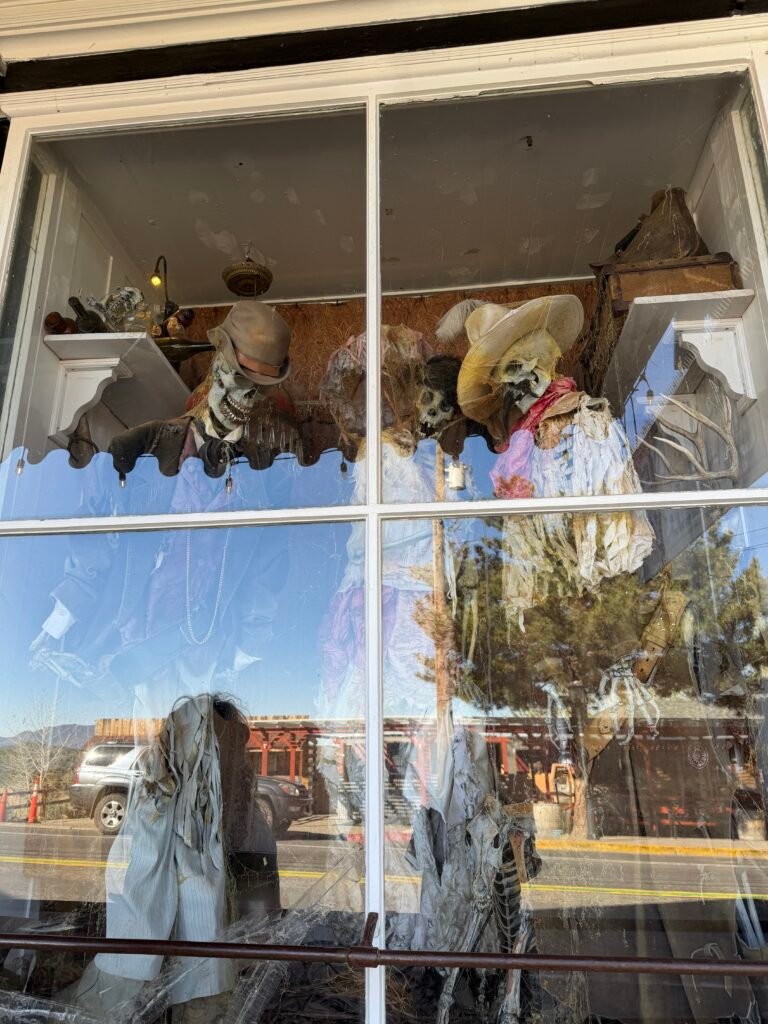
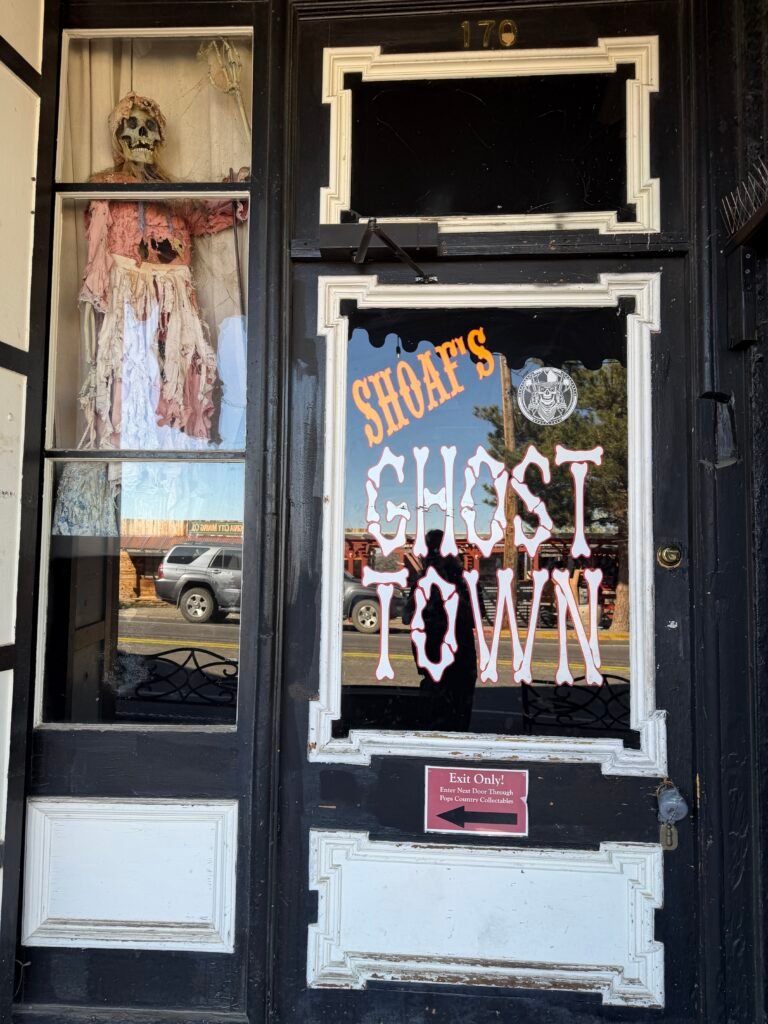
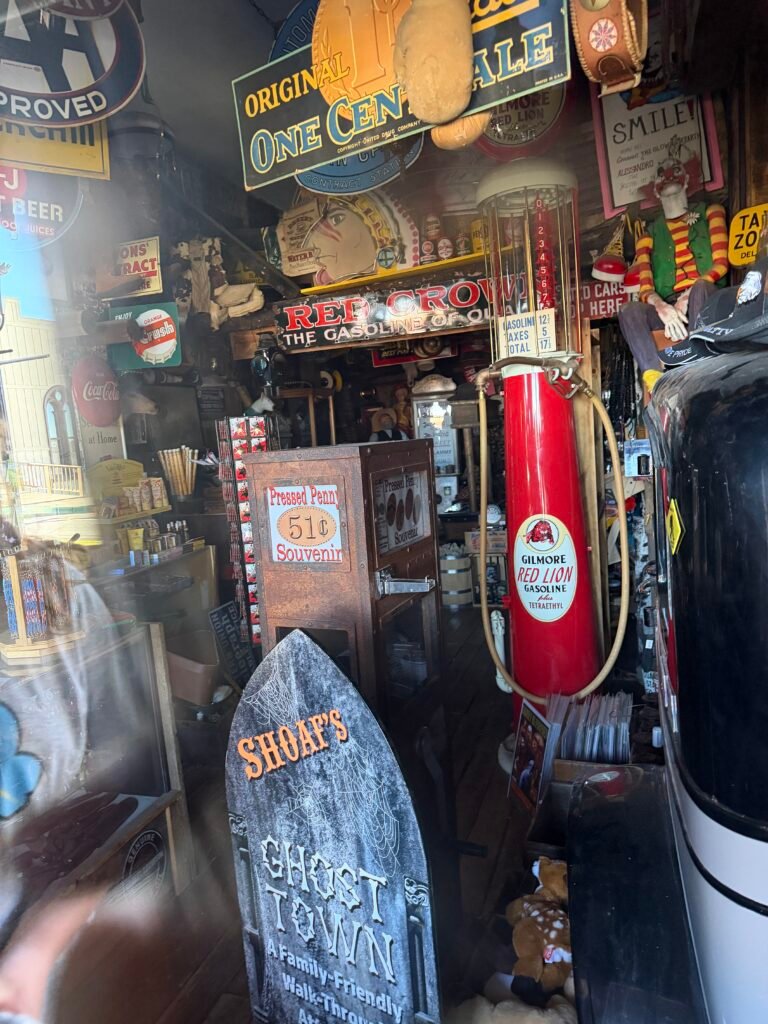
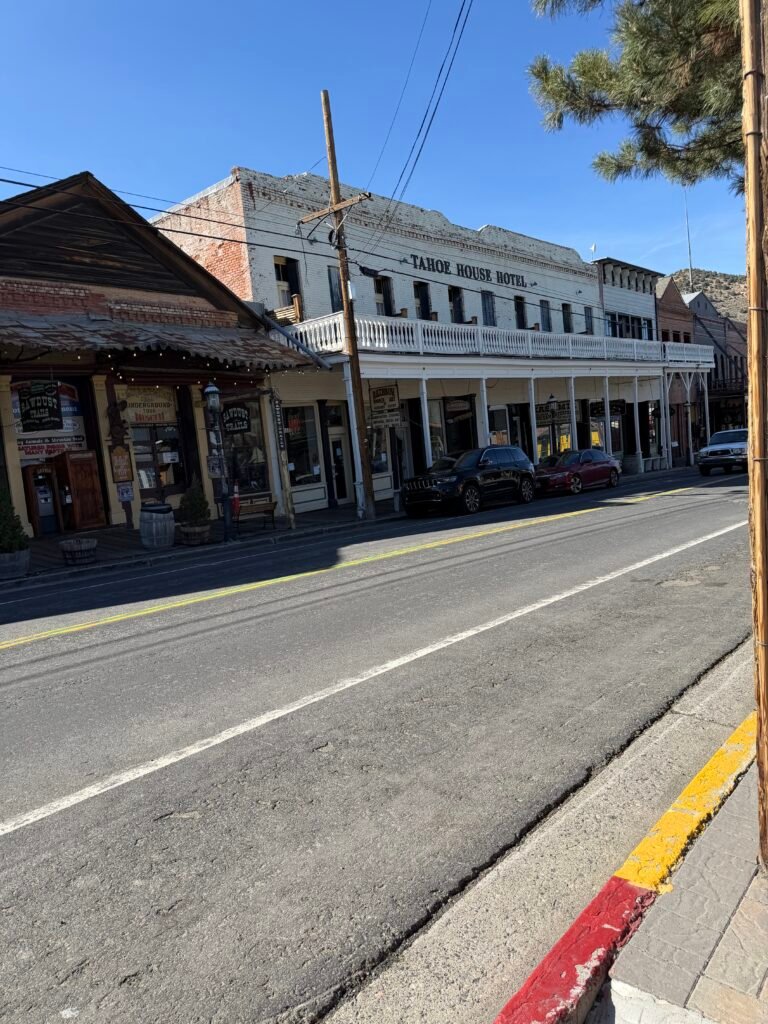
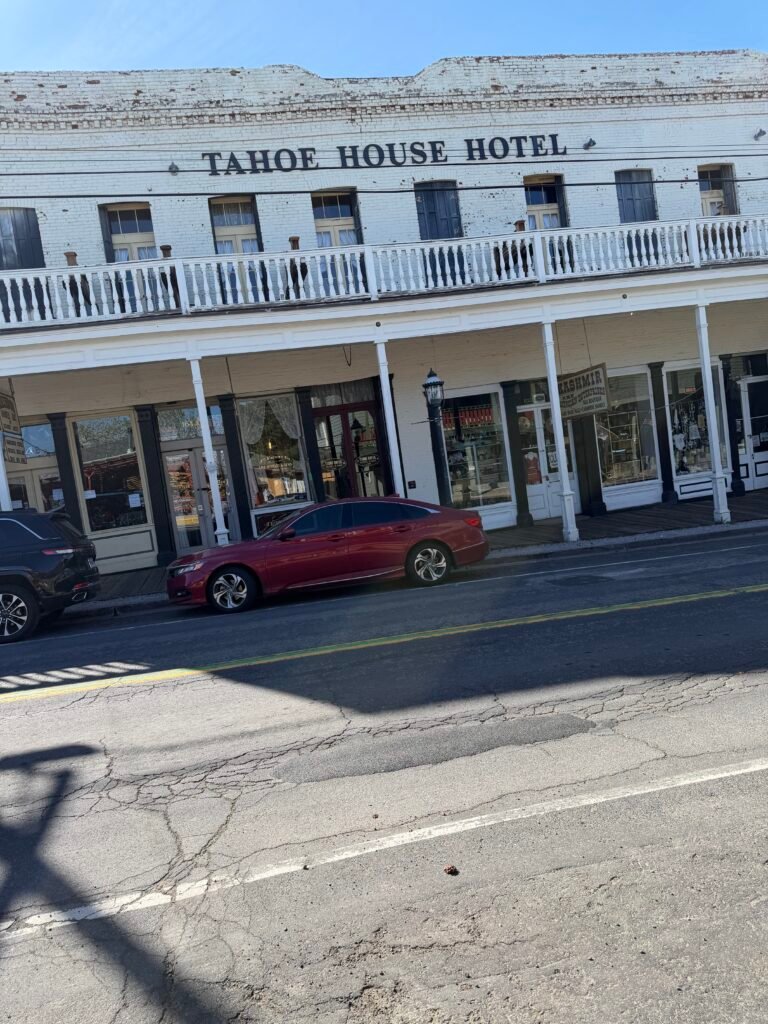
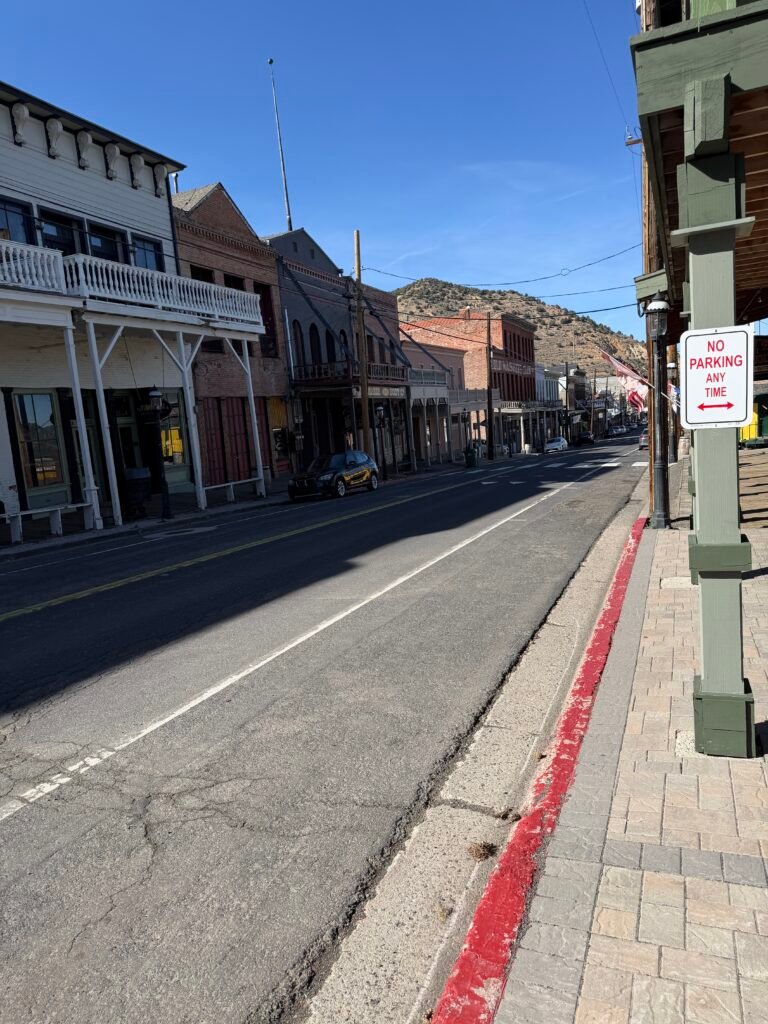
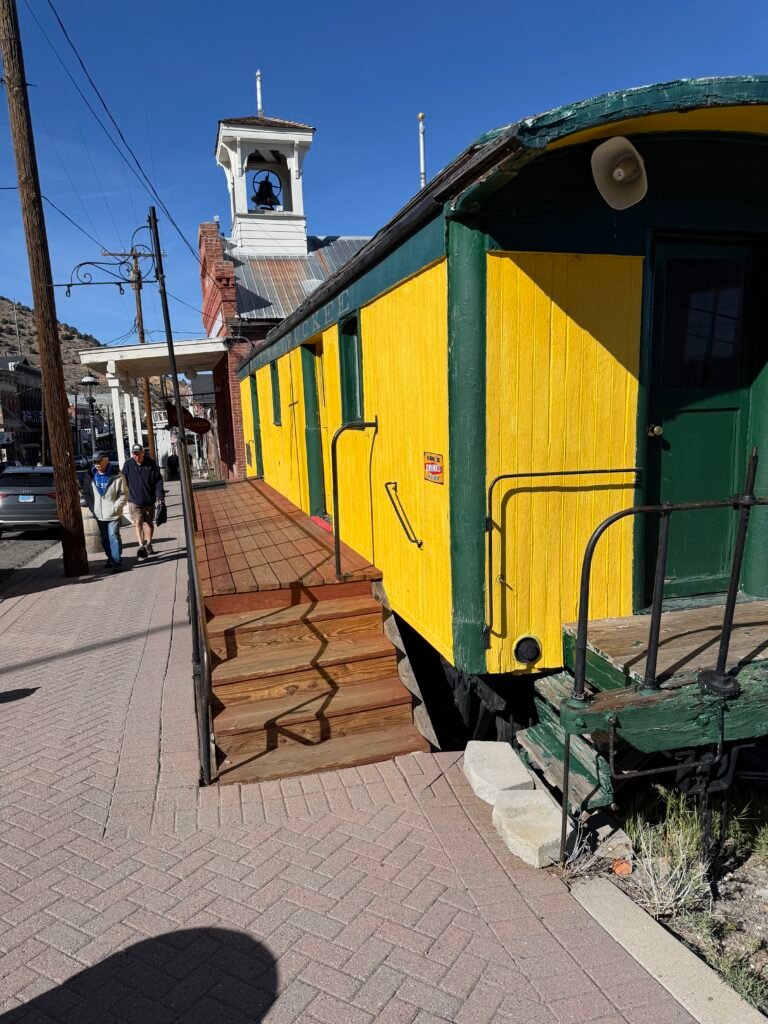
For road trippers, the approach from Reno or Carson City is part of the charm. The road climbs into dry hills marked by tailings, cuts, and old works, and then the town appears, perched like a stubborn memory. Walking C Street gives you preserved storefronts, museums, and that odd sensation that one false step might send you back a century.
A good visit usually includes a few simple things:
- a walk through the historic core, especially C Street
- an underground tour at Chollar or Ponderosa
- time in the museums and old buildings
- a ride on the Virginia & Truckee Railroad, if schedules line up
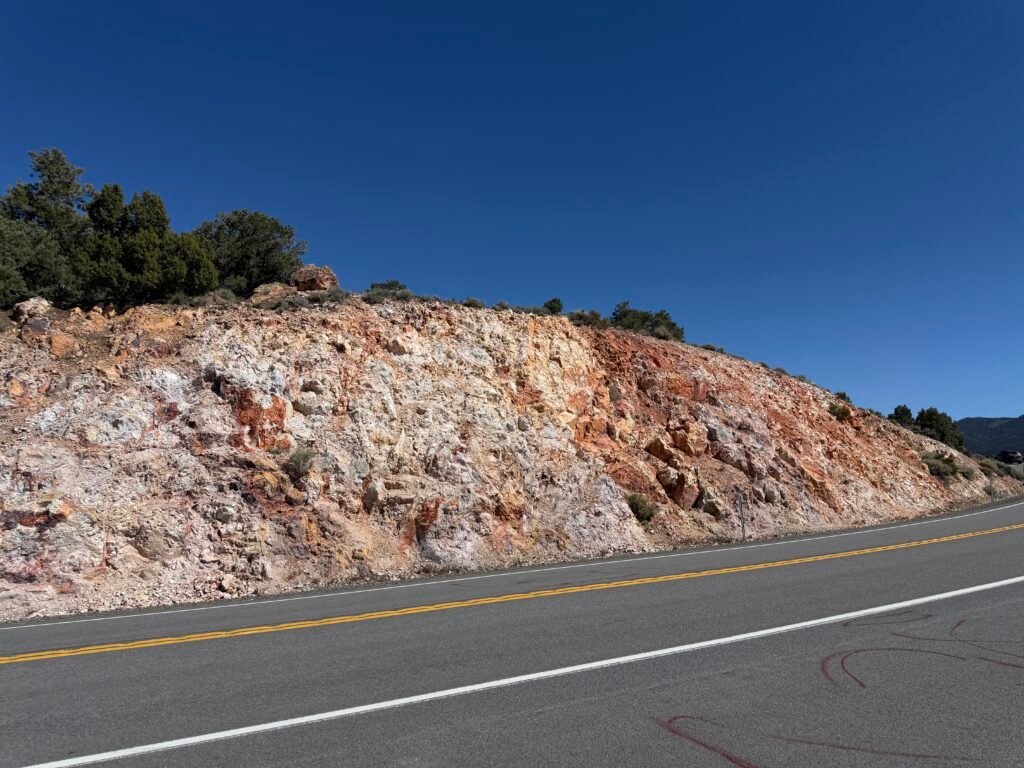
There is also the pleasure of the terrain itself. Roadcuts, waste rock, old foundations, and yellowish dumps still speak the language of ore. If you want a practical local primer before you go, Virginia City’s history page gives a solid sense of the town’s rise and why the setting matters.
Conclusion
Virginia City matters because its history is still visible, not buried in a textbook or tucked behind museum glass. The mines changed Nevada, helped feed statehood-era ambition, and left a town where the past still clings to the hillsides.
That is the rare part. You can read about the Comstock Lode anywhere, but here you can see the slope, the shafts, the timbered tunnels, and the streets built above a mountain full of silver and gold.
For anyone drawn to rocks, old workings, or Western roads with a little dust in their soul, Virginia City is more than a stop. It’s a place where mining never feels abstract.